About Schoepfia schreberi J.F.Gmel.
Schoepfia schreberi, commonly known as bloodberry or redwood, is a species of flowering plant in the Olacaceae family. Native to tropical regions of Central and South America, it is found in countries like Brazil, Colombia, Ecuador, and Peru.
Growth Habit
The bloodberry typically grows as a small tree or shrub, reaching up to 10 meters in height.
Leaf Features
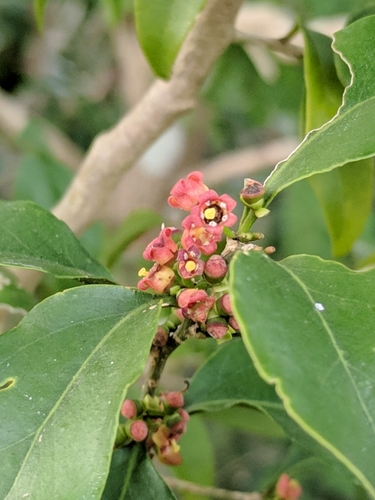
Its dark green leaves are glossy and leathery in texture.
Flower Characteristics
The flowers are small and inconspicuous, featuring greenish-yellow petals.
Fruit Traits
The plant produces bright red berries, each containing one or two seeds.
Traditional Medicinal Uses
Traditionally, indigenous people have used the fruit for medicinal purposes, such as treating fever, diarrhea, and skin infections.
Cultural Significance
Beyond its medicinal uses, Schoepfia schreberi holds cultural significance for some indigenous communities, who incorporate it into their spiritual practices.
Conservation Threats
However, this species faces threats from deforestation due to logging and land conversion for agriculture.
Protection Efforts
Conservation organizations are working to protect Schoepfia schreberi through habitat conservation measures, including reforestation programs and sustainable land use practices.