About Satureja hortensis L.
Taxonomy and Genus Placement
Summer savory (Satureja hortensis L.) is one of the best-known species in the Satureja (savory) genus. It is an annual herb, similar in use and flavor to the perennial winter savory, but it is used more often than winter savory, which has a slightly more bitter taste.
Flower Characteristics
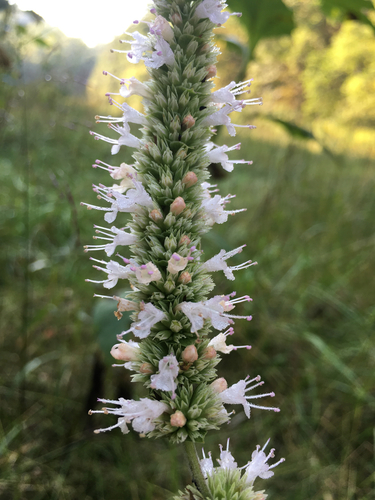
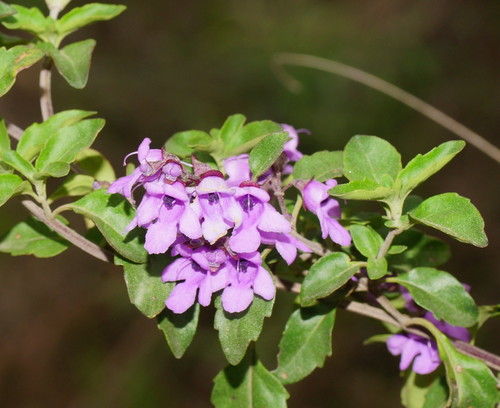
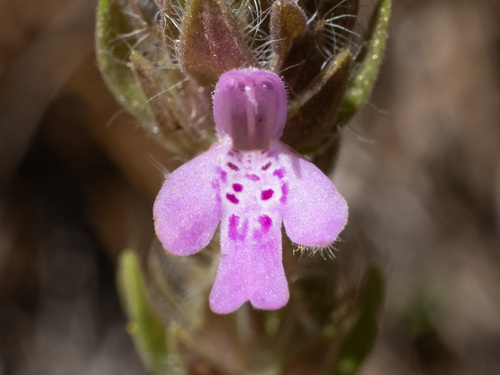
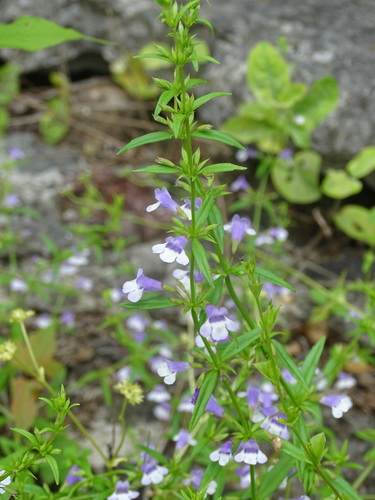
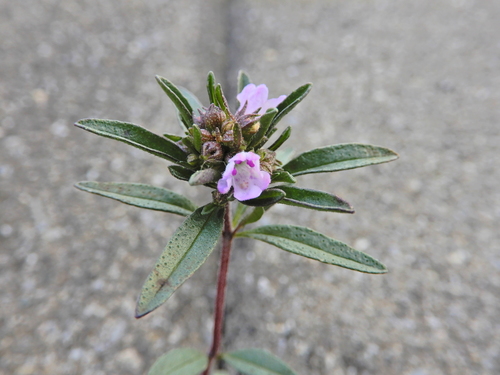
This herb produces lilac tubular flowers that bloom from July to September in the northern hemisphere.
Size and Foliage
It grows to a height of around 30 to 60 cm (1 to 2 ft) and has very slender, bronze-green leaves.
Native Eurasian Range
Summer savory is native to Southeastern Europe and Asia. In Europe, its native range includes Italy, the former Yugoslav territories, Albania, and the Crimea. In Asia, it is native to Kazakhstan, the western Himalayas, and Xinjiang.
Introduced Global Range
It has been introduced to North America (specifically Canada, Cuba, Dominican Republic, the U.S. states of Illinois, New York, Texas, Vermont, and Wisconsin), to additional regions across Europe (Baleares, Belgium, Bulgaria, Corse, Czech Republic, Denmark, east and south European Russia, France, Greece, Portugal, Romania, Slovenia, Slovakia, Spain, Switzerland, Ukraine), and to more regions in Asia (Bahrain, India, Mongolia, Primorye, Qatar, United Arab Emirates, Uzbekistan). Its presence in the South Caucasus and Turkey is considered doubtful.
Cultivation Soil Requirements
Summer savory can be grown from propagated seeds in moderately fertile conditions, and typically grows best in rich, light soil, as its seeds usually take a longer time to germinate.
Wild Habitat Preferences
In the wild, this species prefers dry gravel and stone slopes up to 1500 meters in elevation.
Garden Cultivation Uses
It can be grown in pots, ornamental borders, and herb gardens, and is an excellent companion plant that deters aphids when grown next to broad beans.
Pollinator Attraction Traits
Summer savory grows in the wild, and also benefits garden ecosystems by attracting various pollinators. Its tubular flower shape encapsulates nectar, making it hard for many pollinators to reach.
Pollinator Species
The main pollinators of summer savory are bees, bumblebees, wasps, Bombyliidae, and hoverflies, which support the plant's reproduction and seed production.
Seed Dispersal Method
This species' diaspores are seeds, which are dispersed by ants through a process called myrmecochory.
Beneficial Insect Appeal
Summer savory's flowers are modest in appearance, and like chamomile and thyme, they attract a greater number of beneficial insects than showy ornamental flowers such as roses and chrysanthemums. This makes summer savory a good option for gardeners who want to encourage biodiversity and provide food for important pollinators, while also being easy to cultivate from seed or cuttings.
Early Harvest for Fresh Use
Early spring seedlings are often topped for fresh use in June. When plants are in flower, they may be pulled up and dried for winter use.
Harvest Timing
Summer savory can be harvested when it reaches around 15 centimeters in height and is in full flowering stage; this stage is reached approximately 75–120 days after planting. Regular trimming of the tops promotes further growth.
Post-Harvest Storage
For storage, the whole plant is dried by hanging it in small bundles. Once dry, the leaves are removed and stored in sealed jars. When seeds turn brown, they can be preserved with a desiccant in a similar airtight container.
Life Cycle Duration
As an annual plant, summer savory only lives for one growing season.
Traditional Medicinal Uses
The use of summer savory in traditional medicine dates back to Roman times, and many cultures have since used it to treat symptoms including cramps, stomach pains, nausea, and indigestion, among other conditions.
Therapeutic Research Support
Multiple studies, including In Vitro Antibacterial, Antifungal, and Antioxidant Activities of the Essential Oil and Methanol Extracts of Herbal Parts and Callus Cultures of Satureja Hortensis L. and Antispasmodic and Anti-Diarrhoeal Effect of Satureja Hortensis L. Essential Oil, have confirmed associations between the plant and its therapeutic effects. These beneficial properties come from the plant's chemical composition, including steroids, essential oils, flavonoids, and other components that have anti-inflammatory, antispasmodic, sedative, antioxidant, and antimicrobial effects.