About Salvia argentea L.
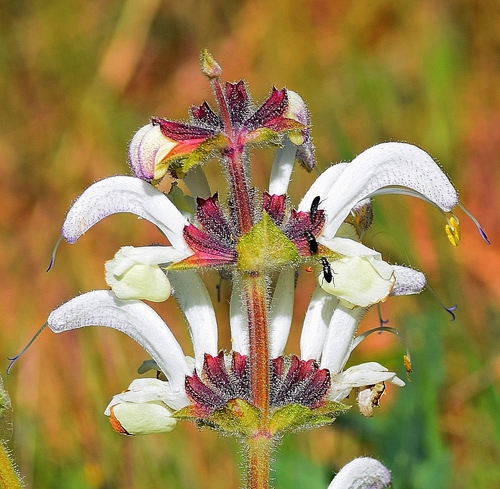
Scientific name: Salvia argentea L. Salvia argentea produces a large spreading clump of basal leaves that measures 1 m (3.3 ft) wide and 30 to 60 cm (0.98 to 1.97 ft) high. Individual leaves grow 20 to 30 cm (7.9 to 11.8 in) long and 15 cm (5.9 in) wide. Both surfaces of the leaves are densely covered in silky hairs, creating a woolly appearance. The leaves are soft to the touch; when they first emerge, they have a characteristic silvery white color, and turn grey-green after flowering. Cool autumn weather causes the leaves to turn silvery again. Flowers grow in spring or summer on candelabra-shaped stalks that reach 60 to 90 cm (24 to 35 in) tall, rising well above the foliage. The small, unnoticeable flowers are white, with yellow or pink tints. If you cut off flower stalks before they produce seed, the plant will live longer. This species has been awarded the Royal Horticultural Society's Award of Garden Merit. It needs a south-facing location in full sun. While it can survive temperatures as low as −15 °C (5 °F), it cannot tolerate the combination of wet winter conditions and freezing temperatures. This factor often causes the plant to have a shorter lifespan.