About Salamandra algira Bedriaga, 1883
Scientific Classification
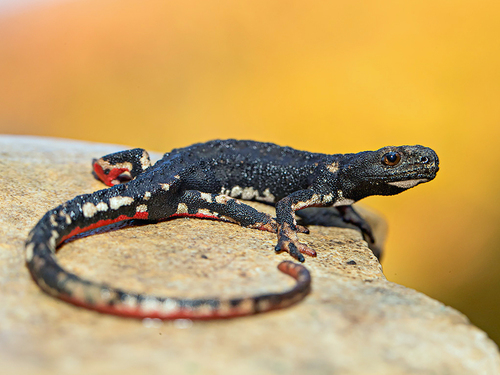
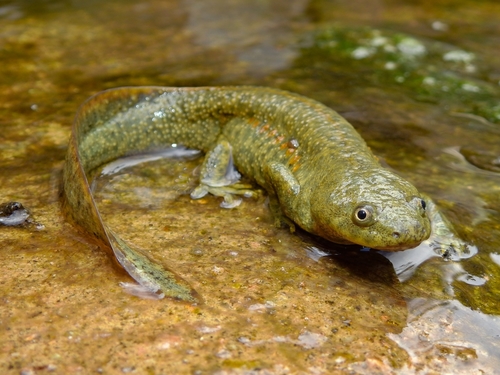
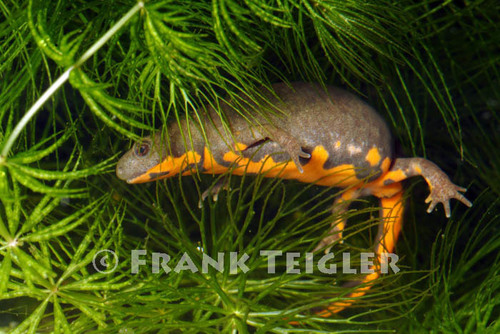
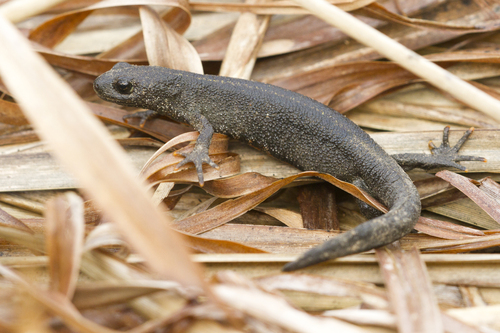
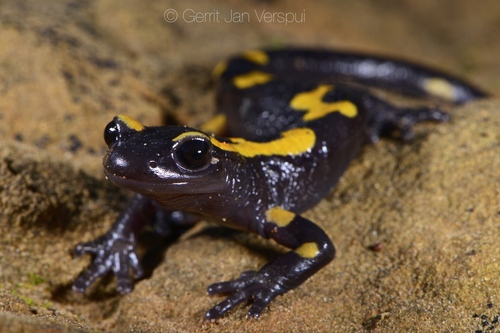
The North African fire salamander, scientifically named Salamandra algira Bedriaga, 1883, is a species of salamander in the family Salamandridae.
Preliminary Distribution
It occurs in Algeria, Morocco, and Ceuta, and may also be present in Tunisia.
Habitat and Threats
Its natural habitats include temperate forests, rivers, and caves, and it is currently threatened by habitat loss.
Endemism
This salamander is endemic to northwestern Africa.
Confirmed Range
Its confirmed range covers the Rif Mountains and Middle Atlas Mountains in northern Morocco, the Spanish enclave of Ceuta, and the coastal mountains of northern Algeria.
Unverified Distribution Records
Records of the species from northern Tunisia are considered potentially erroneous.
Altitude Range
It occurs at altitudes between 80 m (260 ft) and approximately 2,450 m (8,040 ft).
Microhabitat
It typically inhabits the floor of moist oak and cedar forests, where it shelters under roots and stones, and it is also found in caves.
Ovoviviparous Reproduction
Across most of the species' range, the North African fire salamander is ovoviviparous: females produce 8 to 50 eggs per batch, retain eggs inside their bodies until hatching, and embryos gain nourishment from egg yolk.
Tingitana Region Reproduction
In the Tingitana region, however, developing embryos get at least part of their nourishment from secreted fluids produced by the female, so this population is considered viviparous.
Viviparous Larval Deposition
Viviparous females produce around fifteen larvae, which are deposited in streams or pools.