About Rhamphiophis rostratus Peters, 1854
Nomenclature & General Build
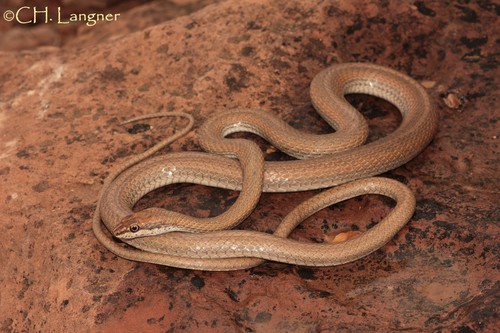
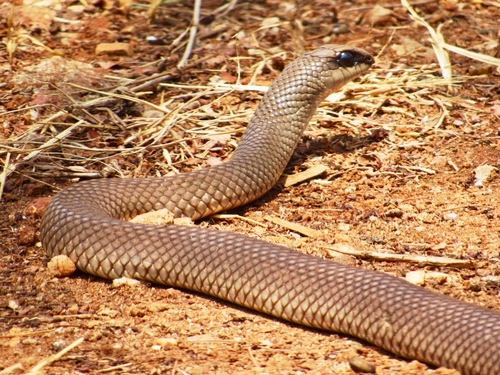
Rhamphiophis rostratus, or Rhamphiophis rostratus Peters, 1854, is a large, muscular snake.
Head Features
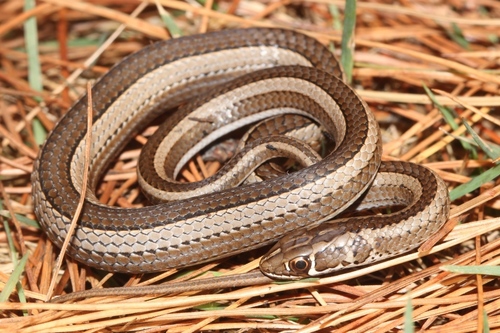
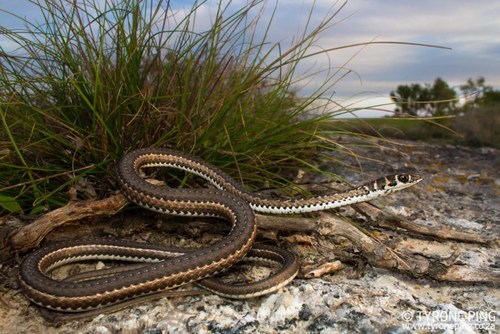
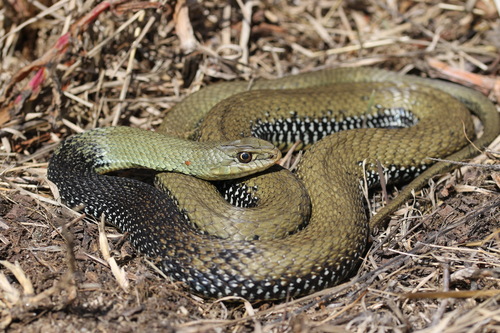
It has a distinctive short, downward-pointing snout and a dark stripe running through its eye.
Adult Size
Adults typically reach lengths between 80 cm (31 in) and 1.2 m (3 ft 11 in), and the largest known specimens can grow up to 1.6 m (5 ft 3 in).
Juvenile Coloration
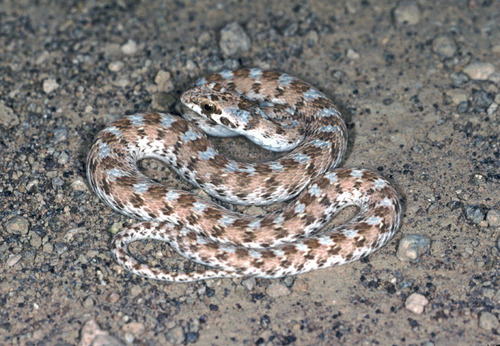
Juveniles of the species are reddish-brown with dark speckles, which fade once the snake reaches around 60–70 cm (24–28 in) in length.
Adult Dorsal & Ventral Coloration
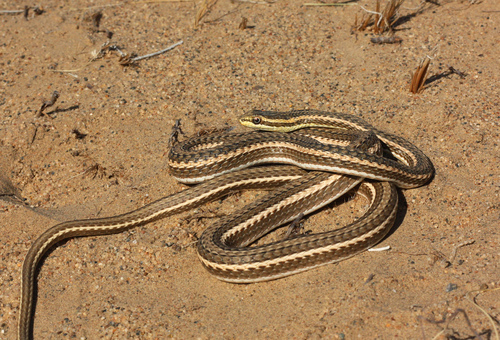
Adult body colour is highly variable: adults may be brown, grey, orange, or pinkish on their upper bodies, and have unmarked white, cream, or yellow undersides.
Scale Pattern Variation
Darker individuals may have a pale center to each scale, especially toward the tail, which creates a speckled appearance.
Defense Adaptations
This is a rear-fanged species, and when threatened, it can flatten its neck to form a hood.
General Distribution
This snake is widespread across eastern Africa.
Detailed Range Extent
Its range extends from Ethiopia, Somalia, and South Sudan in the north, through Kenya, Tanzania, Uganda, Mozambique, Malawi, Zambia, Zimbabwe, and Botswana, and reaches as far south as north-eastern South Africa.
Unverified Range Records
A doubtful record from Eritrea is considered a misidentification, the species is not confirmed to exist in Burundi or Rwanda, and while it may occur in Djibouti, this has not been verified.
Habitat & Altitude Range
It can live in both dry and moist environments, including coastal thickets, woodlands, savanna, and semi-desert areas, at altitudes ranging from near sea level up to 1,700 m (5,600 ft) above sea level.
Activity Pattern
Rhamphiophis rostratus is a fast-moving, mostly terrestrial, diurnal species.
Foraging Movement
It spends most of the day actively searching for prey on the ground, but it is known to occasionally climb into bushes.
Diet Components
Its diet primarily consists of frogs, lizards, rodents including naked mole rats, and other snakes, though it has also been recorded eating beetles.
Burrowing Behavior
The species can dig with its snout: it breaks apart soil using its pointed rostrum, then turns its head sideways to scoop soil out of the hole.
Resting Sites
When inactive, it rests in holes, including squirrel burrows and abandoned termite nests.
Reproduction
It is an oviparous species, and lays clutches of between four and twelve eggs per clutch.