About Quadrella cynophallophora (L.) Hutch.
Quadrella cynophallophora, commonly known as the Blue Penis Plant, is a species of flowering plant in the Melastomataceae family. Native to Central and South America, it can be found in countries such as Brazil, Colombia, Ecuador, and Peru.
Plant Size and Stem
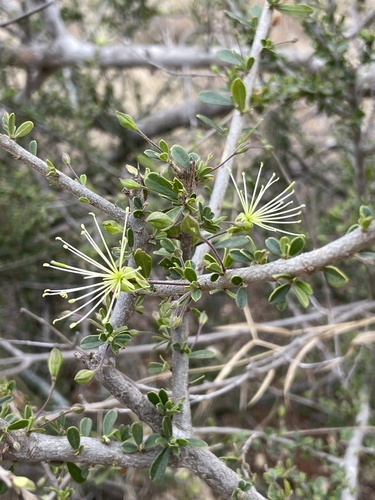
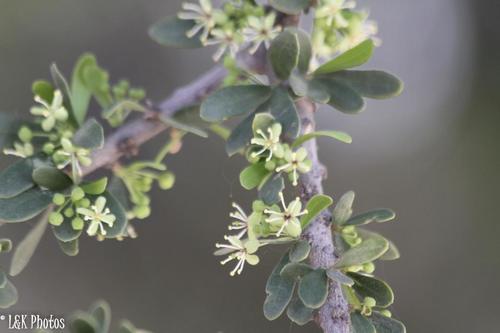
The plant grows up to 2 meters tall and features a woody stem that branches into several smaller stems.
Leaf Features
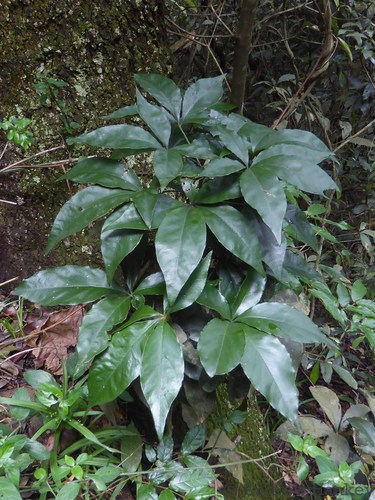
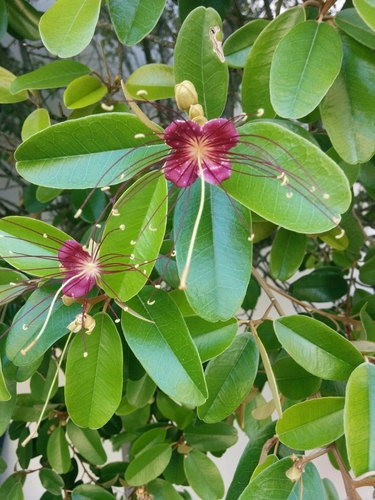
Its oval-shaped leaves, which have pointed tips, can reach up to 20 cm in length.
Flower Characteristics
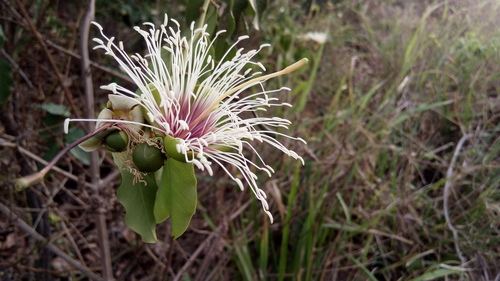
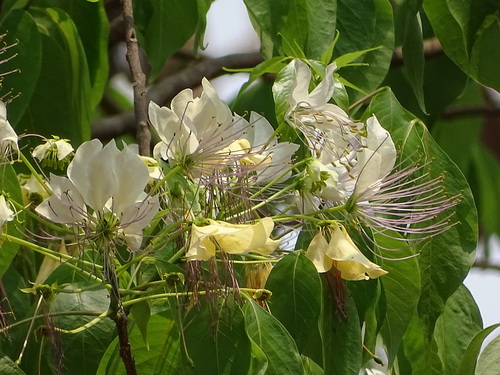
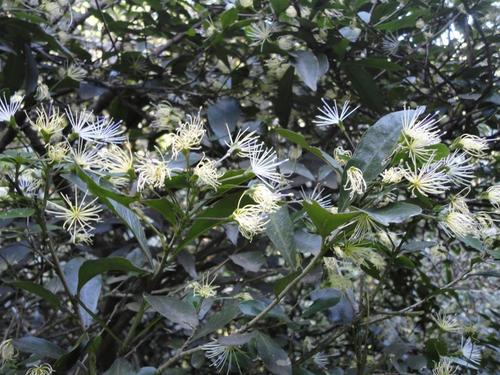
The flowers are small, pinkish-purple, and feature four petals that form a star shape.
Anti-inflammatory Compounds
The Blue Penis Plant is renowned for its medicinal properties, containing compounds with anti-inflammatory effects.
Traditional Medicinal Uses
Traditionally, indigenous communities have used it to treat various ailments, including fever, diarrhea, stomach pain, and respiratory problems.
Ornamental Value
Besides its medicinal uses, Quadrella cynophallophora is also valued for its ornamental appeal, making it an attractive addition to gardens or indoor spaces due to its unique appearance.
Conservation Status
However, due to over-harvesting for medicinal purposes and habitat loss from deforestation, this species has been listed as "Vulnerable" on the IUCN Red List of Threatened Species.
Conservation Imperative
This designation underscores the urgent need for conservation efforts to protect this unique plant species.