About Maerua parvifolia Pax
Taxonomy and Native Range
Maerua parvifolia is a small, evergreen shrub belonging to the Capparaceae family. It is native to the arid regions of Africa, particularly Namibia and South Africa.
Growth Form
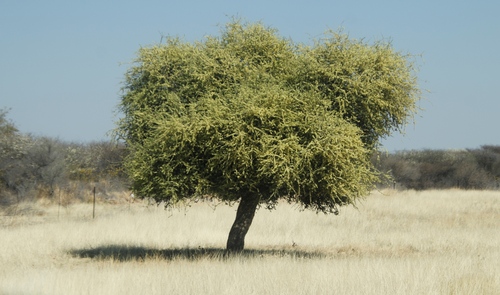
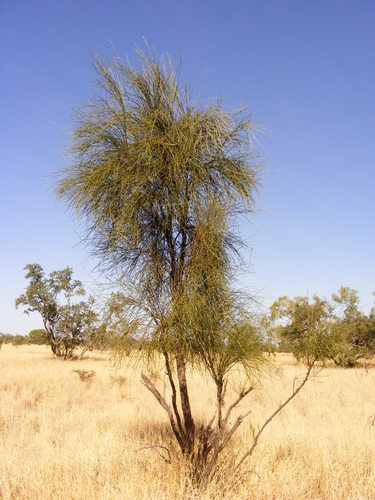
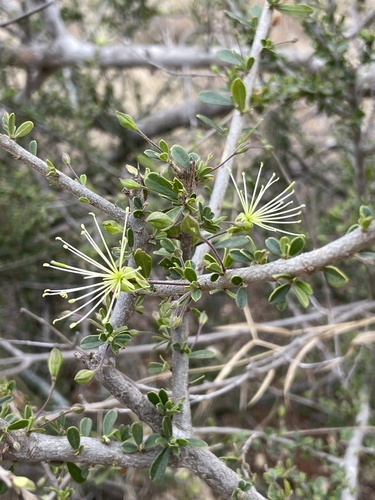
The plant has a distinctive appearance with its twisted, gnarled branches that can reach up to 2 meters in height.
Leaf Characteristics
The leaves of Maerua parvifolia are small, oval-shaped, and glossy green.
Floral Features
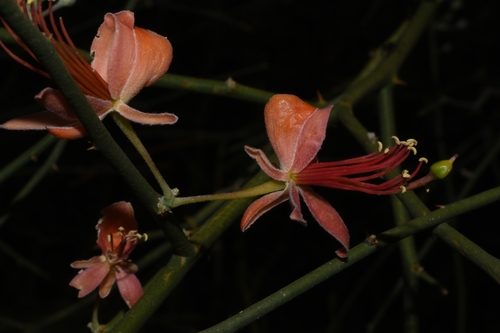
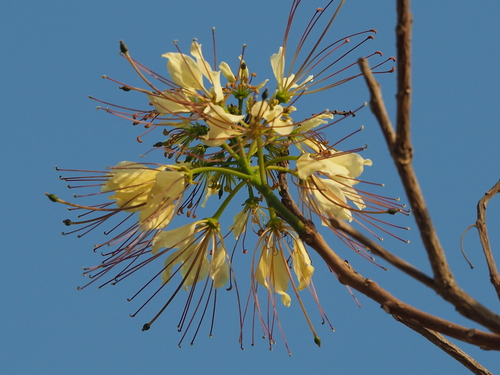
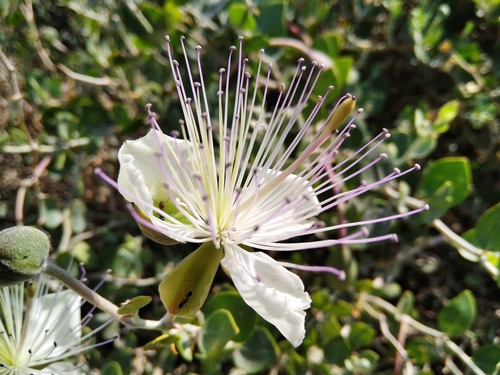
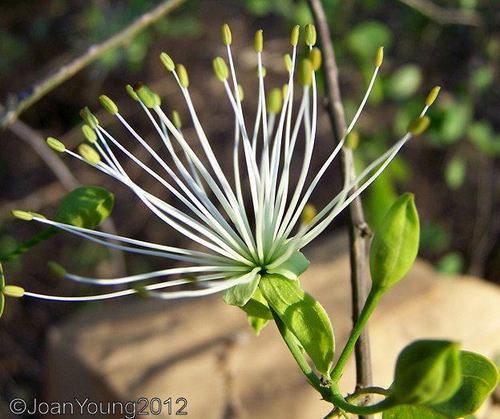
The plant produces fragrant white flowers with five petals, which bloom from spring through summer.
Fruit Traits
These blooms are followed by small fruits that contain numerous seeds.
Medicinal Uses Overview
Maerua parvifolia is renowned for its medicinal properties. Traditionally, indigenous people have used it to treat various ailments such as fever, coughs, colds, and stomach problems.
Skin Treatment Applications
Its anti-inflammatory properties make it especially useful for treating skin conditions like eczema.
Cultivation Requirements
The plant prefers well-drained soils and can tolerate drought conditions, making it well-suited for arid regions with low rainfall.
Propagation and Maintenance
It can be propagated through seeds or cuttings but requires regular pruning to maintain its shape.
Ecological and Cultural Significance
Overall, Maerua parvifolia is an intriguing shrub with unique features and medicinal benefits, making it an important component of African traditional medicine practices.