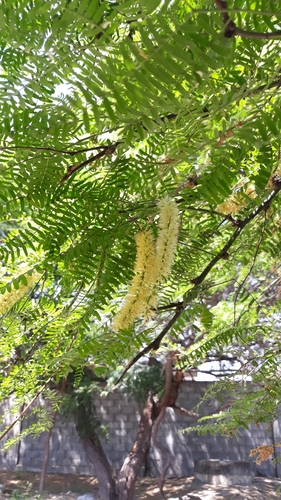
Prosopis pallida (Humb. & Bonpl. ex Willd.) Kunth is a plant in the Fabaceae family, order Fabales, kingdom Plantae. Toxic/Poisonous.

Photo of Prosopis pallida (Humb. & Bonpl. ex Willd.) Kunth (Prosopis pallida (Humb. & Bonpl. ex Willd.) Kunth)
🌿 Plantae ⚠️ Poisonous

Prosopis pallida (Humb. & Bonpl. ex Willd.) Kunth

Prosopis pallida (Humb. & Bonpl. ex Willd.) Kunth

Prosopis pallida, or kiawe, is a thorny invasive dry-adapted tree with multiple human uses including firewood, food products, and honey production.

Family
Genus
Prosopis
Order
Fabales
Class
Magnoliopsida

⚠️ Is Prosopis pallida (Humb. & Bonpl. ex Willd.) Kunth Poisonous?

Yes, Prosopis pallida (Humb. & Bonpl. ex Willd.) Kunth (Prosopis pallida (Humb. & Bonpl. ex Willd.) Kunth) is classified as poisonous or toxic. Toxicity risk detected (mainly via contact or ingestion); avoid direct contact and ingestion. Never consume or handle this species without proper identification by an expert.

About Prosopis pallida (Humb. & Bonpl. ex Willd.) Kunth

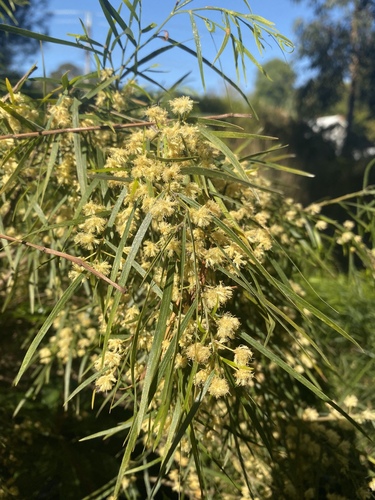
Kiawe, scientifically named Prosopis pallida (Humb. & Bonpl. ex Willd.) Kunth, is a spreading bush or moderately sized tree that produces spines, spikes of greenish-yellow flowers, and long pods filled with small brown seeds. It is a highly successful invasive species, because it can reproduce through two methods: it produces large numbers of easily dispersed seeds, and it also spreads via suckering to form thick, single-species stands that shade out nearby competing plants. It survives well in dry environments because it grows a long taproot that can reach deep underground water tables. It is so efficient at extracting moisture from soil that it can kill nearby plants by depriving them of water, in addition to shading them out. It can grow in areas where other plants cannot survive, including sandy dry degraded slopes, salty soils, disturbed areas, and rocky cliffs. Kiawe grows quickly and can live for over 1,000 years. It functions as a good shade tree, as long as one does not mind the sharp thorns that remain on fallen branches. Its hard wood is a source of long-burning firewood and charcoal. Kiawe pods can be used as livestock fodder, ground into flour, processed into molasses, or used to make beer. The light yellow flowers attract bees, which produce a popular, sought-after white honey from the nectar.
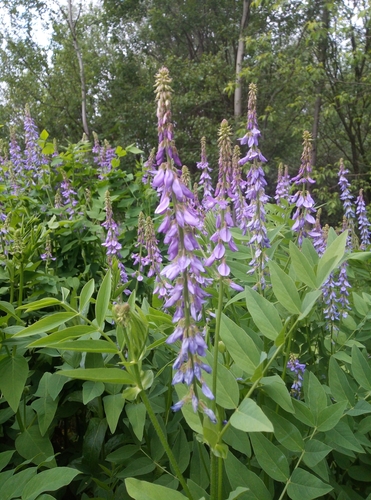
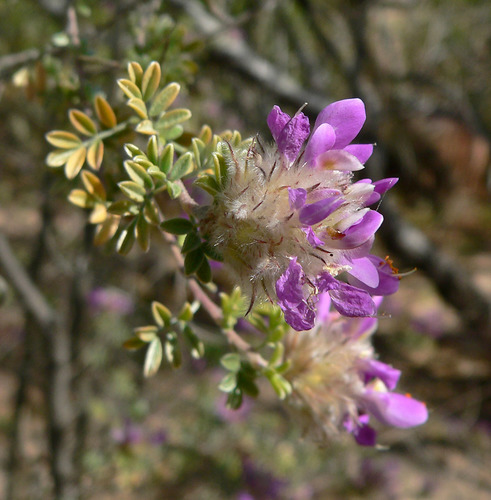
Photo: (c) Ileana Herrera, some rights reserved (CC BY), uploaded by Ileana Herrera · cc-by

Taxonomy

Plantae Tracheophyta Magnoliopsida Fabales Fabaceae Prosopis
⚠️ View all poisonous species →

More from Fabaceae

Sources: GBIF, iNaturalist, Wikipedia, NCBI Taxonomy · Disclaimer

Identify Prosopis pallida (Humb. & Bonpl. ex Willd.) Kunth instantly — even offline

iNature uses on-device AI to identify plants, animals, fungi and more. No internet needed.

Download iNature — Free

Start Exploring Nature Today

Download iNature for free. 10 identifications on us. No account needed. No credit card required.

Download Free on App Store