Poisonous & Toxic Species
Never touch, taste, or consume any species you cannot positively identify. This guide is for educational purposes only. When in doubt, consult a local expert. Use the iNature app for quick AI-powered identification in the field.
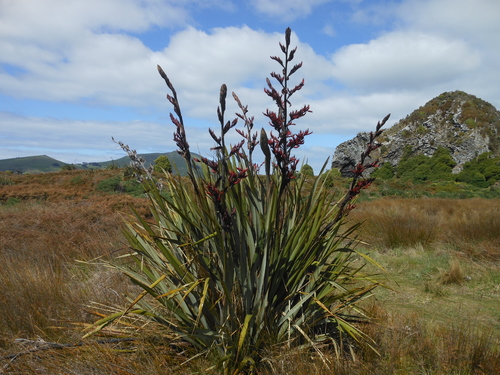
New Zealand flax
Phormium tenax J.R.Forst. & G.Forst.
Phormium tenax, or New Zealand flax, is an evergreen perennial fibre and ornamental plant native to New Zealand and Norfolk Island with a history of traditional Māori use.
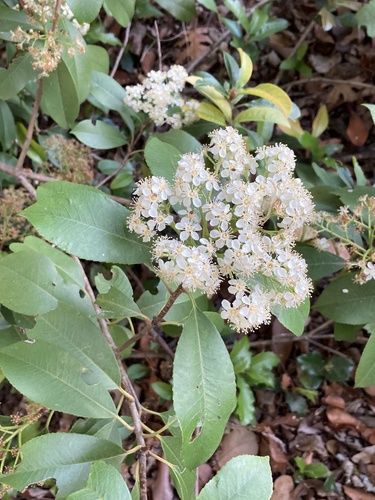
Chinese Photinia
Photinia serratifolia (Desf.) Kalkman
Photinia serratifolia is an evergreen tree with distinctive scent spring flowers, often planted as urban greenery in China.
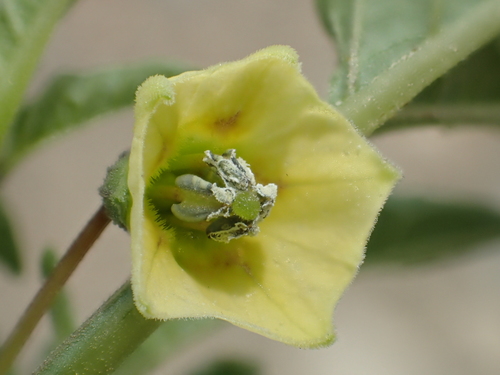
cutleaf groundcherry
Physalis angulata L.
Physalis angulata is an annual nightshade with edible enclosed fruits and poisonous other parts, naturalized worldwide in tropics.
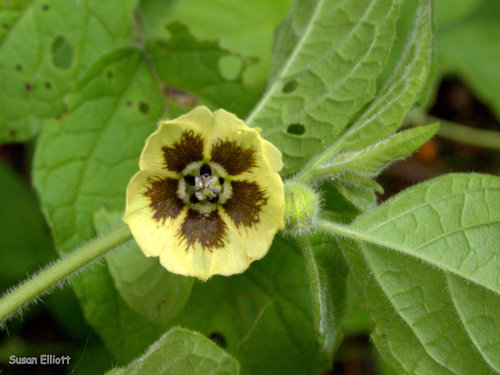
clammy groundcherry
Physalis heterophylla Nees
Physalis heterophylla is a tall perennial North American Physalis with glandular foliage, identifiable edible ripe fruit and toxic other parts.
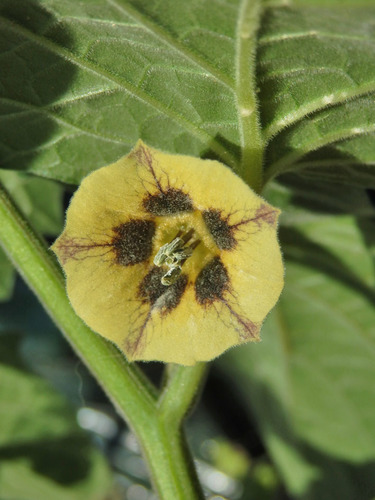
Cape gooseberry
Physalis peruviana L.
Physalis peruviana is a solanaceous berry plant with an edible fruit, native to the Andes and widely cultivated globally.
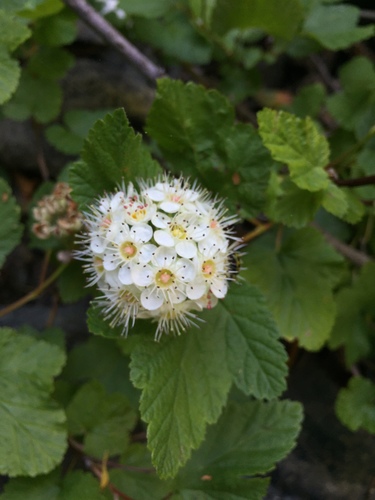
Pacific ninebark
Physocarpus capitatus (Pursh) Kuntze
Physocarpus capitatus, or Pacific ninebark, is a deciduous North American shrub with traditional uses, restoration value, and garden popularity.
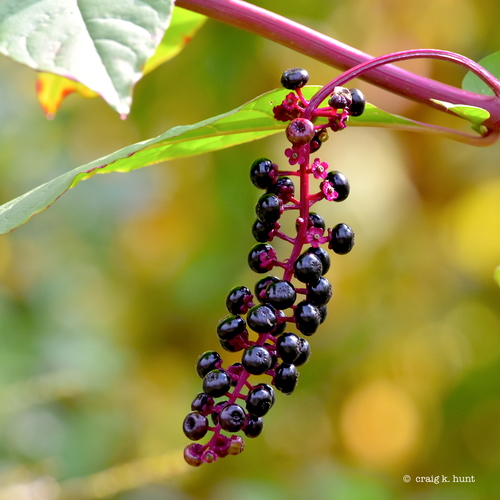
American pokeweed
Phytolacca americana L.
Phytolacca americana, common pokeweed, is a toxic North American perennial herb with uses in food, research, and dye.
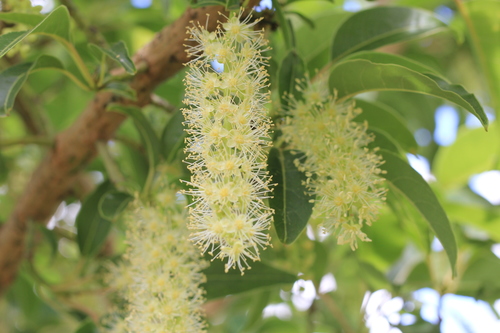
Ombu
Phytolacca dioica L.
Phytolacca dioica (ombú) is a large South American evergreen tree with soft wood, poison sap, and cultural significance, sometimes invasive.
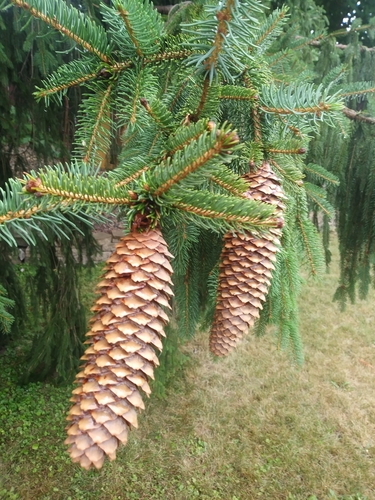
Norway spruce
Picea abies (L.) H.Karst.
Picea abies, or Norway spruce, is a large Eurasian conifer widely cultivated for timber, Christmas trees, and food uses.
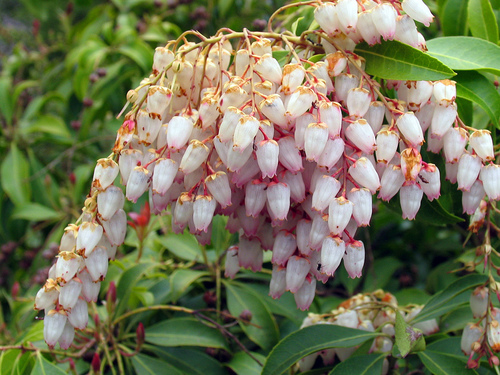
Japanese andromeda
Pieris japonica (Thunb.) D.Don ex G.Don
Pieris japonica is an acid-loving toxic poisonous temperate ornamental shrub with colorful new growth and spring blooms.
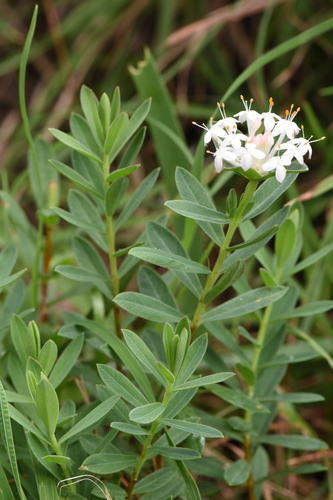
Queen of the Bush
Pimelea linifolia Sm.
Pimelea linifolia is a variable Australian shrub with edible-bark traditional use and unconfirmed toxicity to sheep.
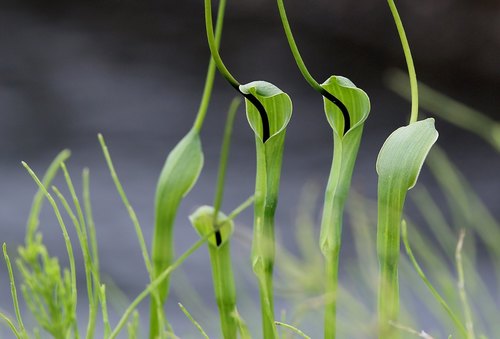
Crowdipper
Pinellia ternata (Thunb.) Makino
Pinellia ternata is a rhizome-spreading herb used in traditional Chinese medicine, with studied effects on rat metabolism.
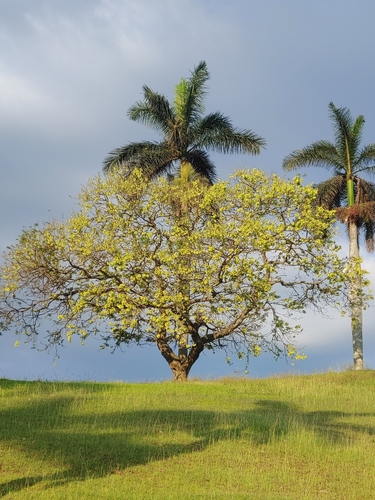
Jamaican dogwood
Piscidia piscipula (L.) Sarg.
Piscidia piscipula, the Florida fishpoison tree, is a medium coastal tree with medicinal properties that serves as a butterfly larval host.
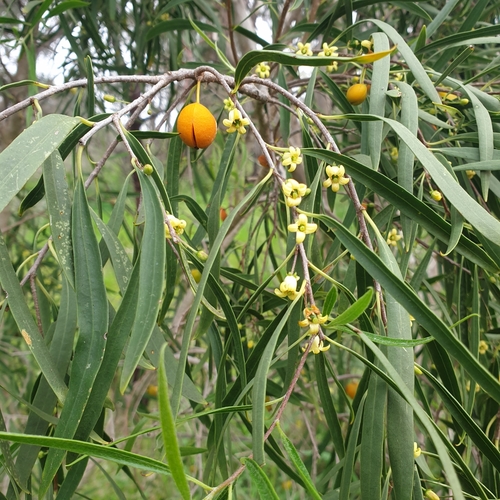
Native apricot
Pittosporum angustifolium G.Lodd.
Pittosporum angustifolium is a drought-resistant Australian tree with known traditional medicinal uses that are being studied scientifically.
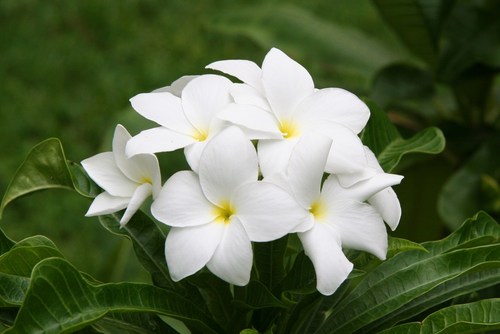
Hammerleaf Frangipani
Plumeria pudica Jacq.
Plumeria pudica Jacq. is a toxic, deciduous medium shrub with spoon-shaped dark green leaves and faintly scented white flowers.
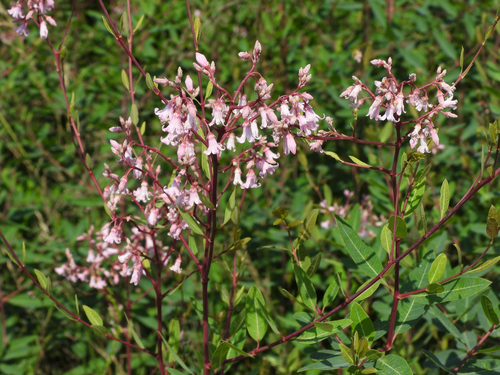
spear-leaved dogbane
Poacynum venetum (L.) Mavrodiev, Laktionov & Yu.E.Alexeev
Poacynum venetum, or sword-leaf dogbane, is a poisonous dogbane plant used for fiber, medicine, and honey production.
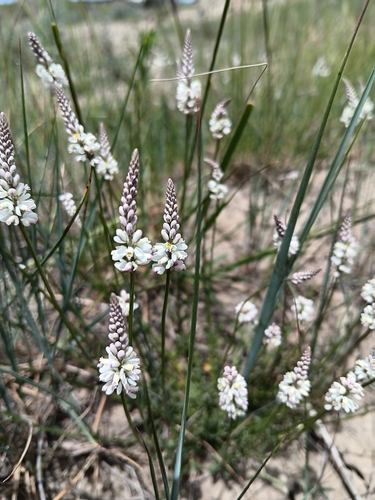
white milkwort
Polygala senega L.
Polygala senega L. is a perennial herb with medicinal uses that is toxic in large overdoses.
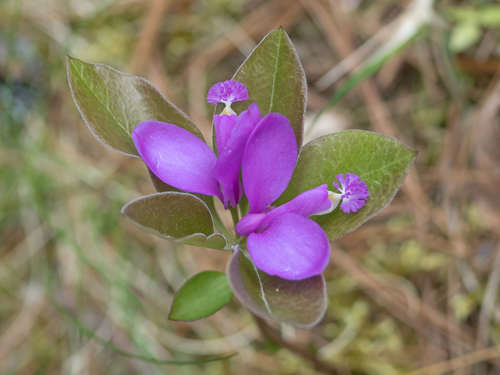
fringed polygala
Polygaloides paucifolia (Willd.) J.R.Abbott
Polygaloides paucifolia, or gaywings, is a North American perennial herb with wing-like flower sepals, used historically in medicine.
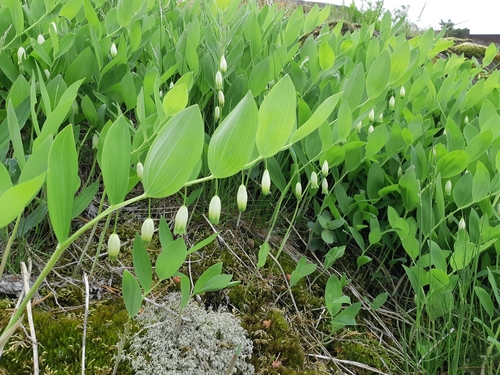
Scented Solomon's-seal
Polygonatum odoratum (Mill.) Druce
Polygonatum odoratum is an herbaceous perennial used for food, tea, and traditional and scientific medicine, with some toxic parts.
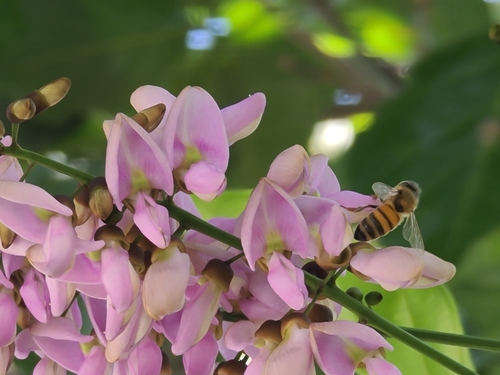
Indian beech tree
Pongamia pinnata (L.) Pierre
Pongamia pinnata is a drought- and salt-tolerant diploid legume tree widely used for timber, traditional medicine, and biodiesel.
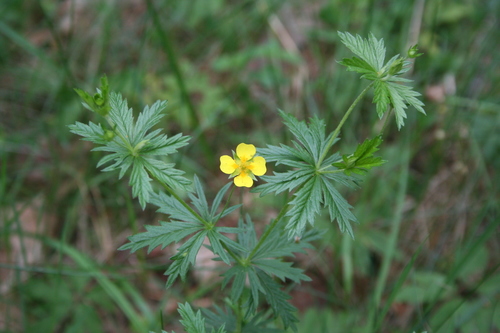
Tormentil
Potentilla erecta (L.) Raeusch.
Potentilla erecta is a low flowering plant native to Europe and western Asia, used in liqueurs, herbal medicine, and dye production.
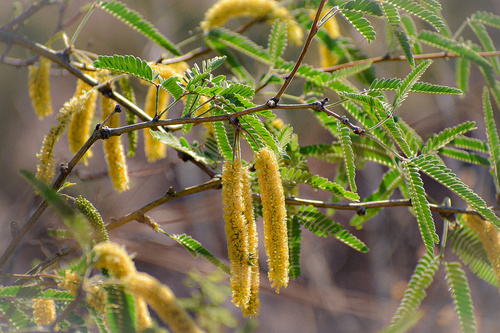
velvet mesquite
Prosopis juliflora (Sw.) DC.
This is a description of Prosopis juliflora, covering its growth, reproduction, distribution, toxicity, and human uses.
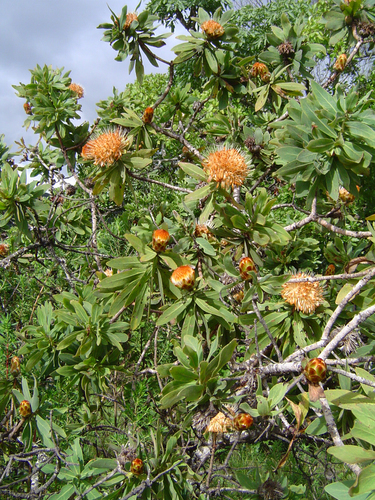
Dwarf Savanna Sugarbush
Protea welwitschii Engl.
Protea welwitschii is a flowering shrub or small tree native to southeastern sub-Saharan Africa, adapted to periodic wildfires.
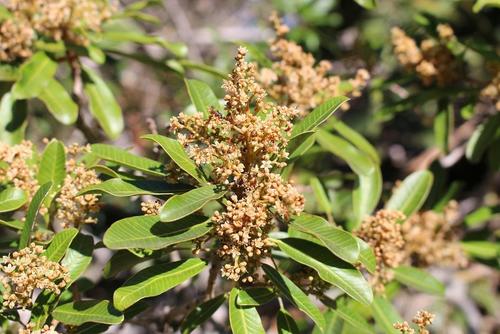
Red beech
Protorhus longifolia (Bernh.) Engl.
Protorhus longifolia, or red beech, is a native South African/Eswatini tree with a range of traditional human uses and wildlife value.
Start Exploring Nature Today
Download iNature for free. 10 identifications on us. No account needed. No credit card required.
Download Free on App Store
