Poisonous & Toxic Species
Never touch, taste, or consume any species you cannot positively identify. This guide is for educational purposes only. When in doubt, consult a local expert. Use the iNature app for quick AI-powered identification in the field.
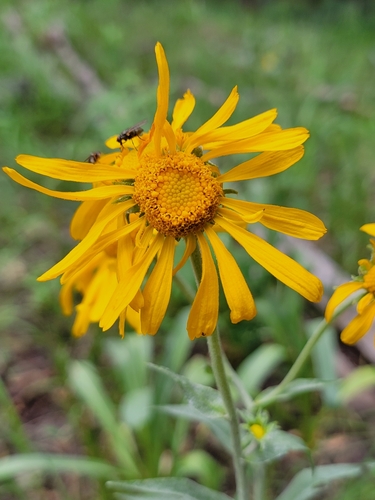
owlsclaws
Hymenoxys hoopesii (A.Gray) Bierner
Hymenoxys hoopesii, also called orange sneezeweed, is a daisy family flowering plant native to the western United States.
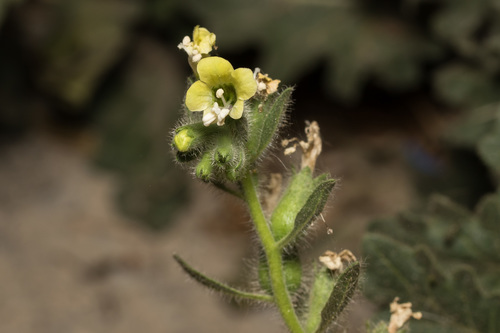
white henbane
Hyoscyamus albus L.
Hyoscyamus albus L., or white henbane, is a slightly poisonous medicinal plant with a history of ancient Greek medical use.
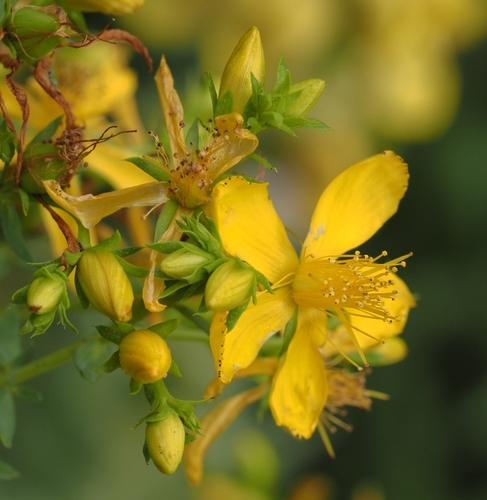
Common St. John's Wort
Hypericum perforatum L.
Hypericum perforatum L., or common St. John's wort, is a herbaceous perennial herb with a long history of herbal use.
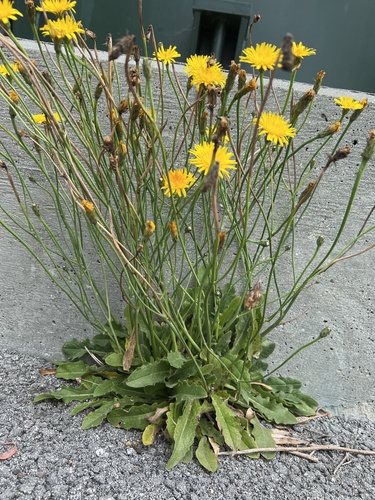
Common Cat's-ear
Hypochaeris radicata L.
Hypochaeris radicata, or catsear, is an edible wild plant with yellow flowers, suspected toxic to horses and donkeys when overeaten.
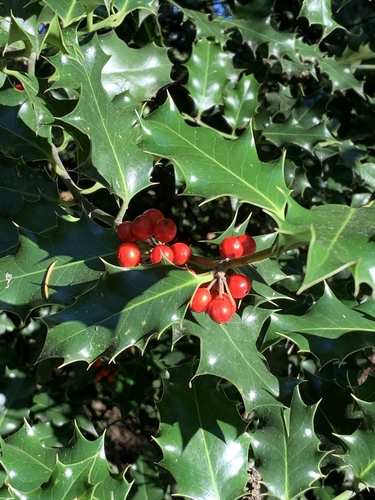
European holly
Ilex aquifolium L.
Ilex aquifolium, or European holly, is an evergreen dioecious woody plant native to western Europe and northwest Africa.
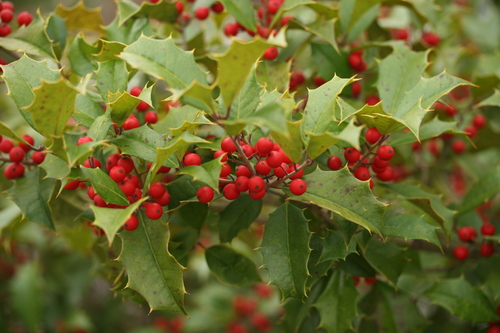
American holly
Ilex opaca Aiton
Ilex opaca (American holly) is a dioecious evergreen tree native to the eastern US, grown for its characteristic persistent red berries.
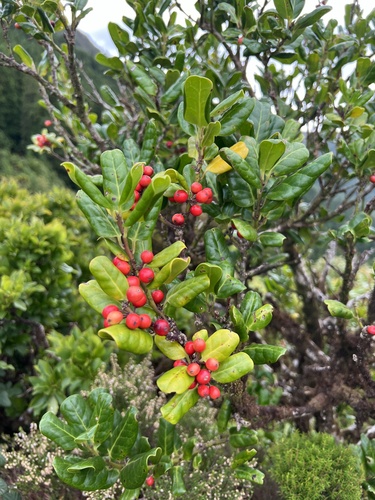
Madeira Holly
Ilex perado Sol. ex Aiton
Ilex perado is a small evergreen dioecious tree native to Macaronesian islands, with four recognized subspecies of varying conservation status.
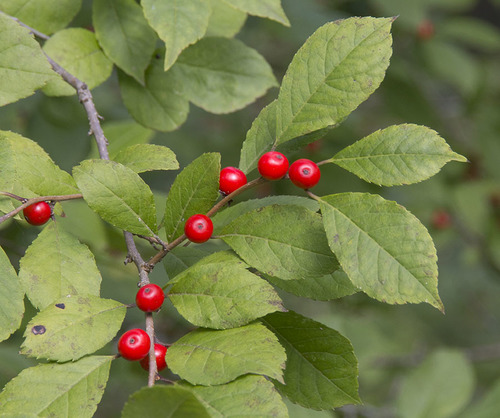
winterberry holly
Ilex verticillata (L.) A.Gray
Ilex verticillata is a deciduous dioecious holly shrub with persistent winter red berries that has a history of medicinal use and can cause illness if eaten.
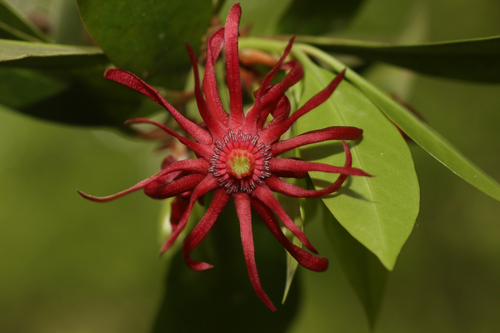
Florida Anise
Illicium floridanum J.Ellis
Illicium floridanum, or Florida anise tree, is a toxic evergreen shrub native to the southeastern US coastal plain.
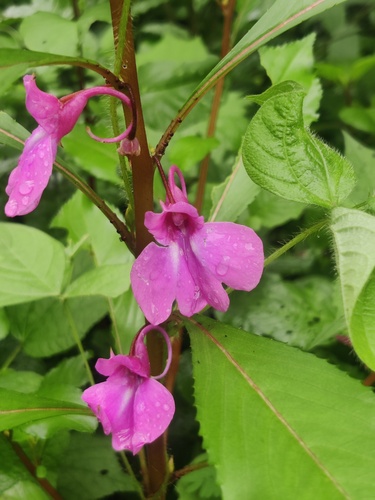
Garden balsam
Impatiens balsamina L.
Impatiens balsamina is an annual flowering plant native to South Asia, widely cultivated ornamentally and used in traditional Asian medicine and nail dyeing.
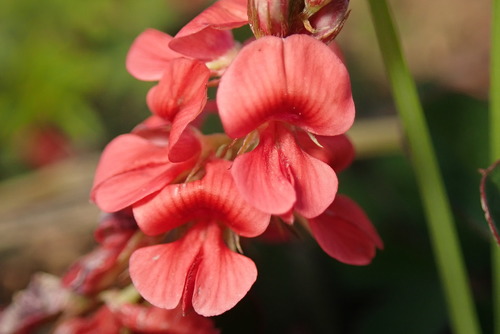
trailing indigo
Indigofera hendecaphylla Jacq.
Indigofera hendecaphylla, creeping indigo, is a flowering Fabaceae plant native to the Old World tropics and subtropics.
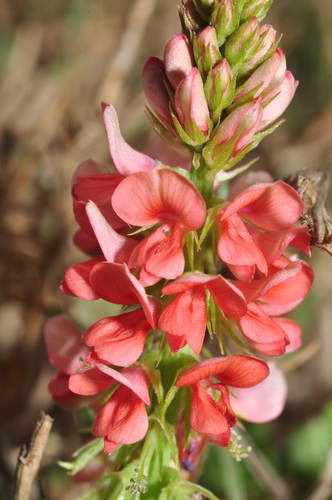
Creeping Indigo
Indigofera spicata Forssk.
Indigofera spicata (creeping or trailing indigo) is a Fabaceae flowering plant with confused toxicity reports as a forage species.
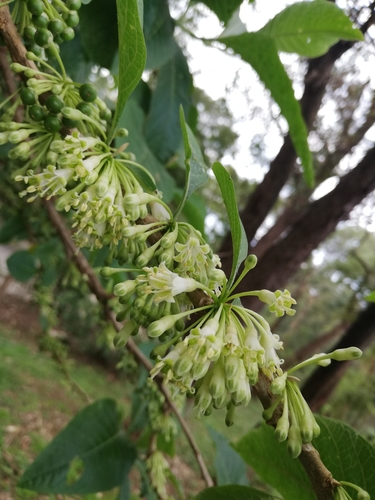
gallinero
Iochroma arborescens (L.) J.M.H.Shaw
Iochroma arborescens is a large shrub or small tree native to the Americas and Caribbean, with ornamental, folk medicinal, and documented toxic properties.
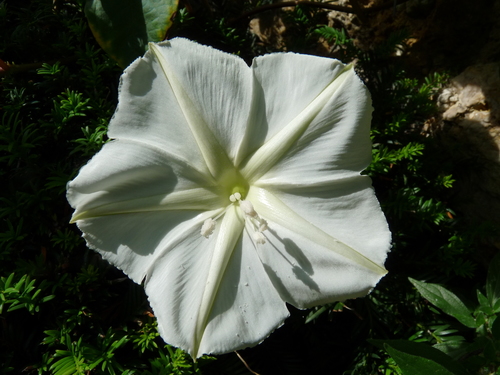
Moonflower
Ipomoea alba L.
Ipomoea alba is a toxic climbing vine cultivated for its large fragrant flowers, with a historic use in rubber processing.
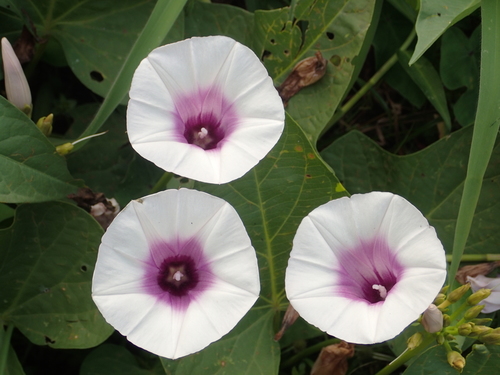
sweet potato
Ipomoea batatas (L.) Lam.
Ipomoea batatas, the sweet potato, is a widely cultivated root crop grown in tropical and warm temperate regions.
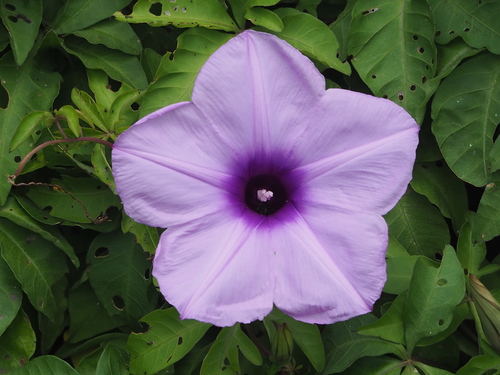
Mile-a-minute vine
Ipomoea cairica (L.) Sweet
Ipomoea cairica is a climbing vine grown ornamentally, with edible parts and medicinal uses, and ingestion causes respiratory symptoms.
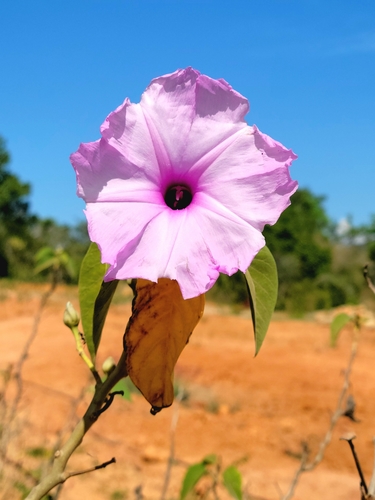
Bush Morning Glory
Ipomoea carnea Jacq.
Ipomoea carnea (pink morning glory) is a toxic bush morning glory with a range of uses from paper-making to medicine.
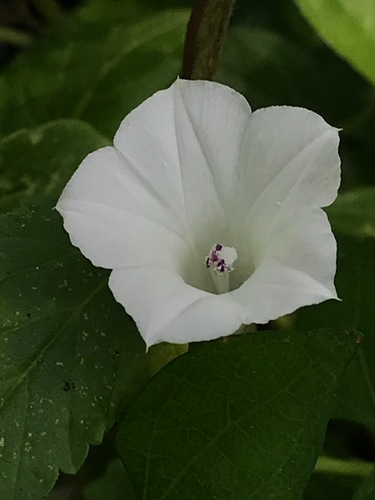
White Morning-glory
Ipomoea lacunosa L.
Ipomoea lacunosa, the whitestar potato, is a North American vining morning glory with edible tubers used by some Native American tribes.
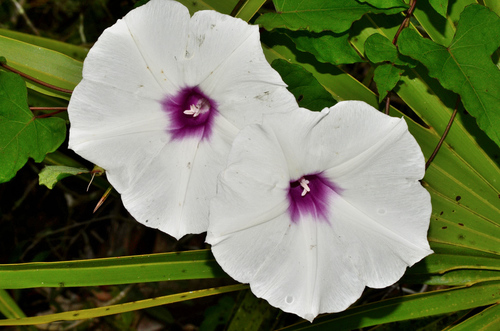
wild potato vine
Ipomoea pandurata (L.) G.Mey.
Ipomoea pandurata is a North American twining vine with edible tubers and various traditional medicinal uses.
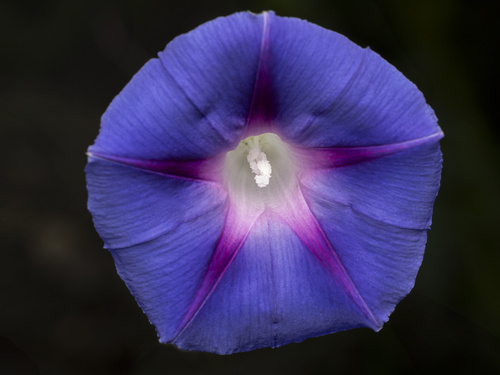
common morning-glory
Ipomoea purpurea (L.) Roth
Ipomoea purpurea is a cultivated and weedy twining morning glory, whose commercial seeds are often treated with toxic chemicals.
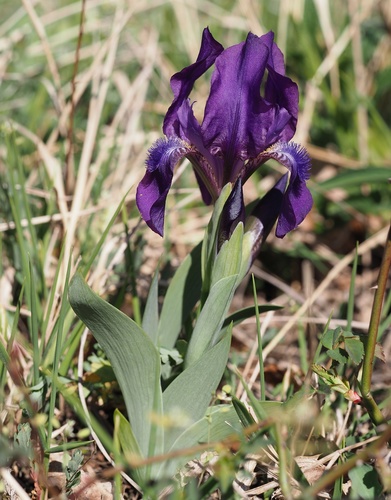
Leafless Iris
Iris aphylla L.
Iris aphylla L., the leafless iris, is a variable deciduous iris native to Central/Eastern Europe and temperate Asia.
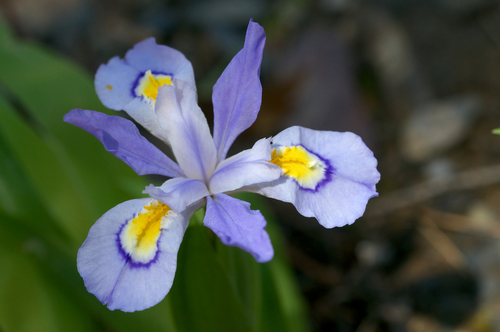
dwarf crested iris
Iris cristata Aiton
Iris cristata Aiton is a small, low-growing bearded iris native to eastern and central US, used in traditional medicine and gardening.
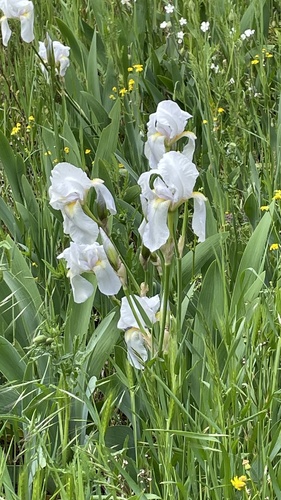
Iris florentina L.
Iris florentina L.
Iris florentina L. is a cultivated iris with pale flowers, violet-scented rhizomes, and many commercial and traditional uses.
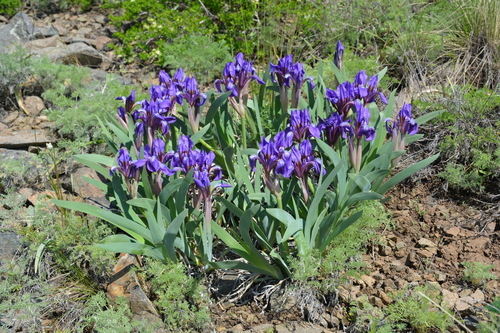
Iris glaucescens Bunge
Iris glaucescens Bunge
Iris glaucescens Bunge is a small purple-blue flowering iris native to Central Asia that is toxic and difficult to cultivate.
Start Exploring Nature Today
Download iNature for free. 10 identifications on us. No account needed. No credit card required.
Download Free on App Store
