About Pogona minor (Sternfeld, 1919)
Scientific Name
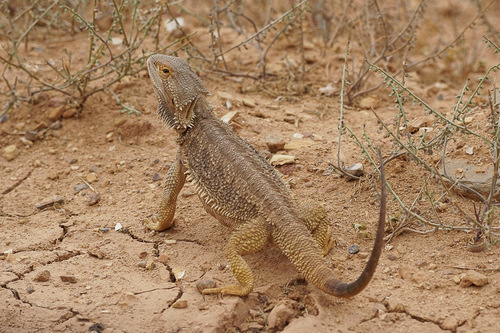
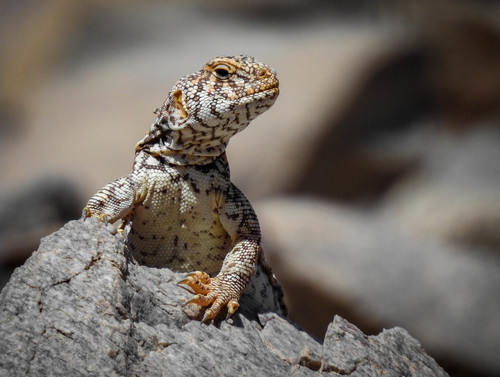
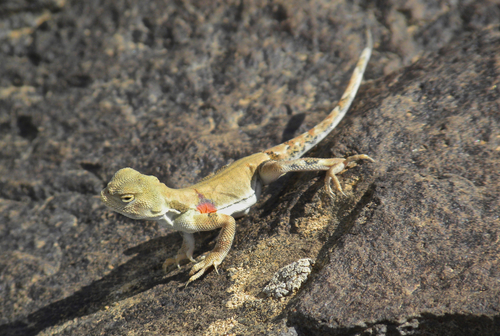
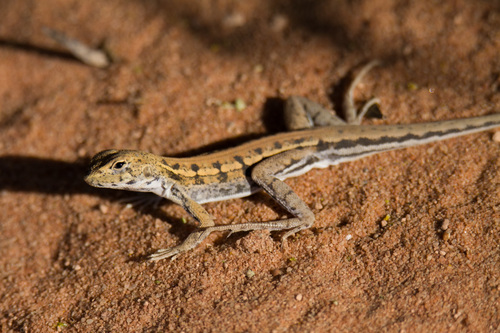
This species is the western bearded dragon, scientifically named Pogona minor (Sternfeld, 1919).
Nominate Subspecies Size
The nominate subspecies Pogona minor minor reaches 15 cm (5.9 in) in snout-to-vent length (SVL), and 38 cm (15 in) in total length including the tail.
Other Subspecies Sizes
The subspecies P. m. minima is slightly smaller, with an 11 cm (4.3 in) SVL, while P. m. mitchelli is slightly larger at 16 cm (6.3 in) SVL.
Coloration
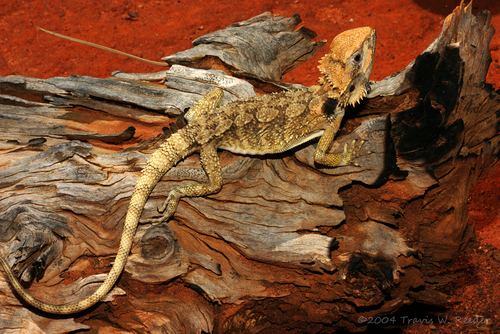
All bearded dragons of this species have chameleon-like coloration, which either lets them blend into their surroundings or lets them display brighter patterns during interactions with other bearded dragons.
Distinguishing Features
They resemble Pogona nullarbor and Caimanops amphiboluroides (the mulga dragon) in appearance, but can be distinguished by their smaller head, and the specific arrangement of spines on their underside and neck.
Overall Species Range
The western bearded dragon Pogona minor is widespread across Southwest Australia and the central deserts of Australia.
Main Habitat Types
Its range covers semiarid regions including woodland and heathland, as well as arid desert and coastal dunes.
Nominate Subspecies Island Range
The nominate subspecies also occurs on Dirk Hartog Island.
P. m. minima Range
The subspecies Pogona minor minima is found on West, North, and East Wallabi Islands in the Houtman Abrolhos.
Reproduction Mode
Pogona minor is oviparous, meaning it reproduces by laying eggs.
Clutch Size
Adult females usually lay clutches of 5 to 9 eggs, though clutches as large as 15 eggs have been recorded.