About Pinus clausa (Chapm. ex Engelm.) Sarg.
Species Nomenclature and General Size
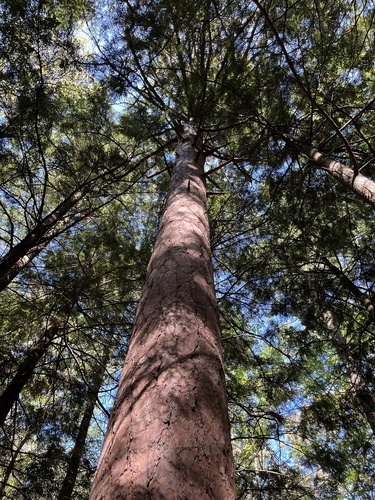
Pinus clausa (Chapm. ex Engelm.) Sarg. is most often a small, sometimes shrubby tree, growing 5–10 m (16–33 ft) tall, and reaching a maximum exceptional height of 21 m (69 ft).
Wind Susceptibility
The species is vulnerable to windfall, and stands growing in hurricane-prone areas often all lean in the same direction.
Leaf Morphology
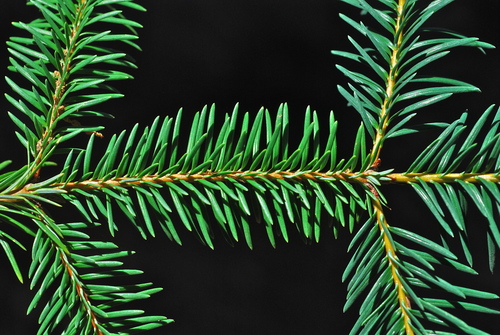
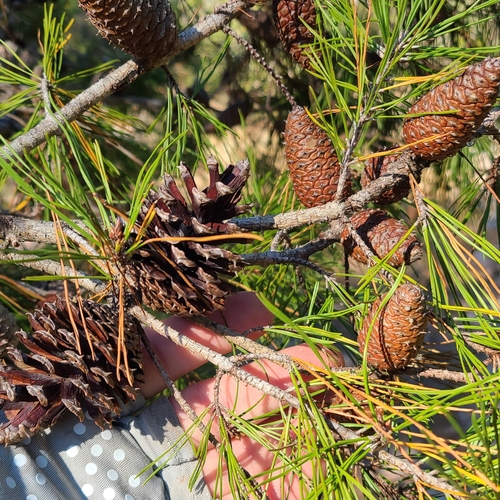
Its leaves are needle-like, borne in pairs, and measure 5–10 cm (2.0–3.9 in) long.
Cone Dimensions
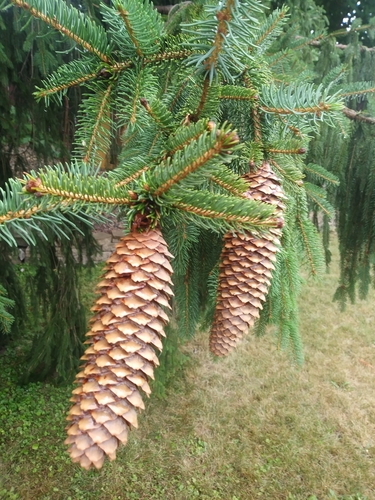
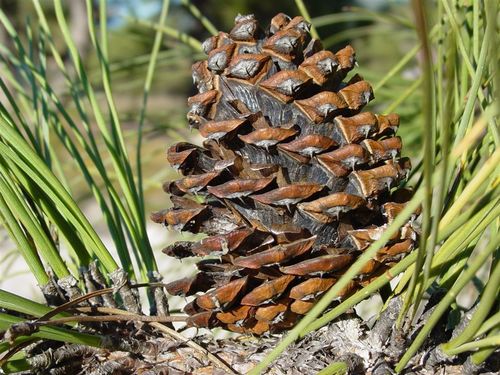
Its cones are 3–8 cm (1.2–3.1 in) long.
Fire Adaptation and Etymology
Across most of its range, Pinus clausa is adapted to stand-replacing wildfires; its scientific epithet clausa means 'closed', referring to the trait that its cones remain closed for many years until a natural wildfire kills mature trees and opens the cones.
Post-Fire Seed Dispersal
The opened cones then release seeds to recolonize the burned ground.
Non-Fire-Dependent Dispersal Trait
Some populations have cones that open when they reach maturity, so their seed dispersal does not depend on wildfires.
Fire Frequency Requirement
If a wildfire does not occur every 20 to 60 years, Pinus clausa populations will be outcompeted and replaced by oak and hickory through ecological succession.
Wildfire Seasonality
Most wildfires in Pinus clausa habitats happen in the spring, because the needles have low water content and winds are high at this time.
Extreme Fire Behavior
Additionally, resin content in the trees is highest in the spring, which can lead to extreme, uncontrollable fire behavior; an example is a 1935 fire in Ocala National Forest that burned 5,670 acres (2,295 ha) in just 4 hours.
Geographic Range
Pinus clausa occurs in two separate geographic areas: one across central peninsular Florida, and the other along the western Florida panhandle coast extending into the Alabama coast.
Population Gap
There is a gap of approximately 200 km (120 mi) between the two populations, stretching from the Ochlockonee River to Cedar Key.
Intraspecific Varieties
The sand pines from the Florida peninsula and the Florida panhandle coast differ enough to be classified into two varieties or races: Pinus clausa var. clausa ("Ocala"), found on the peninsula, and P. clausa var. immuginata ("Choctawhatchee"), found along the panhandle coast.
Variety Cone Trait Differences
Most panhandle sand pines (var. immuginata) have non-serotinous (open) cones, while most peninsular sand pines (var. clausa) have serotinous (closed) cones.
Habitat Preference
Sand pine is largely restricted to very infertile, excessively well-drained sandy habitat of Florida scrub.
Ecosystem Canopy Role
It is often the only canopy tree present in the Florida scrub ecosystem.
Stand Structure Differences Between Varieties
Peninsular Florida sand pine stands are typically dense and composed of same-aged trees, while panhandle coast sand pine stands tend to be more open than peninsular stands, and include trees of varying ages.
Ecosystem Habitat Value
Pinus clausa woodlands are an important component of the Florida scrub ecosystem, providing habitat for songbirds, birds of prey, grey squirrels, flying squirrels, the endangered Florida sand skink, the endangered Florida scrub jay, and many other species.
Arid Site Tolerance
It is one of the few canopy tree species that can grow in arid, sandy, hot locations with minimal maintenance.
Human Uses
Dense branching and crooked trunks make Pinus clausa unsuitable for general wood production, but it is commonly used to make wood pulp.