About Picea rubens Sarg.
Scientific Nomenclature and Growth Habit
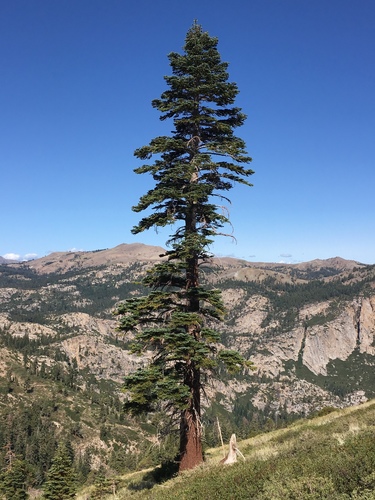
Picea rubens Sarg., commonly known as red spruce, is a perennial, shade-tolerant, late successional coniferous tree.
Size Specifications
Under optimal growing conditions, it reaches 18–40 m (59–131 ft) in height, with a trunk diameter of around 60 cm (24 in); exceptional specimens can grow up to 46 m (151 ft) tall and 100 cm (39 inches) in diameter. It has a narrow conical crown.
Leaf Characteristics
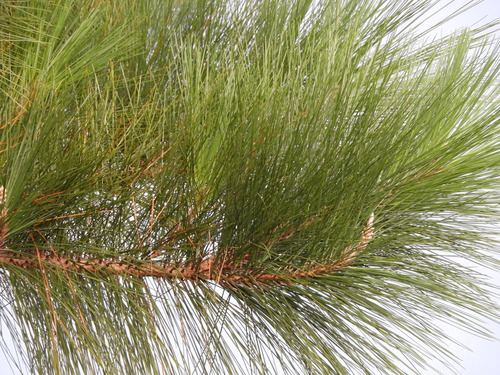
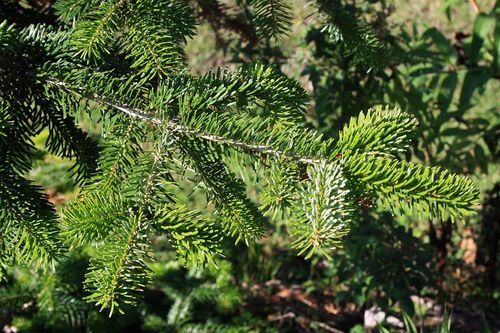
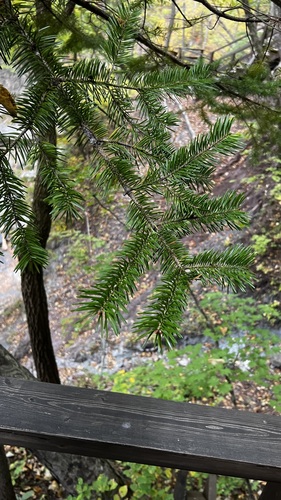
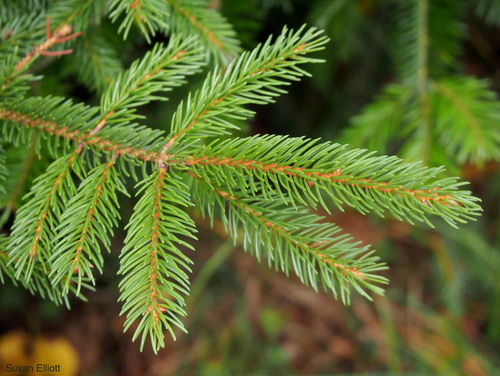
Its leaves are needle-like, yellow-green, 12–15 mm (15⁄32–19⁄32 in) long, four-sided, curved, tipped with a sharp point, and extend from all sides of the twig.
Bark Characteristics
Its bark is gray-brown on the outer surface, red-brown on the inner layer, thin, and scaly.
Wood Properties
The wood of red spruce is light and soft, has narrow growth rings, and carries a slight red tinge.
Cone Characteristics
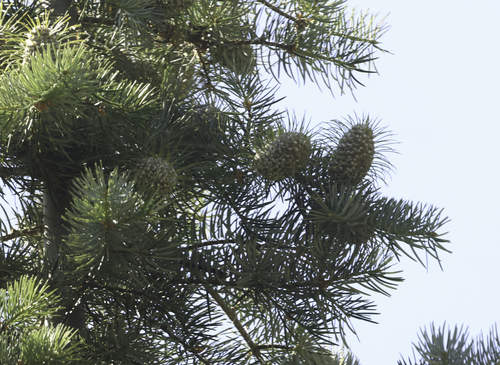
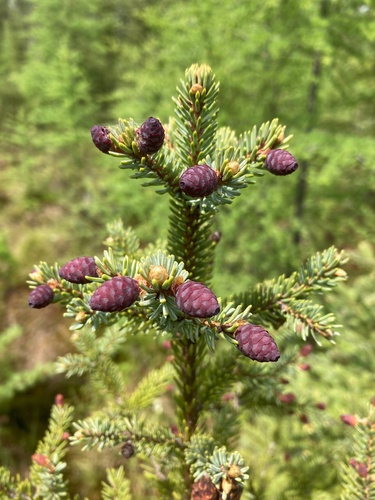
Its cones are cylindrical, 3–5 cm (1+1⁄4–2 in) long, glossy red-brown, have stiff scales, and hang down from branches.
Growth Rate and Lifespan
Red spruce grows at a slow to moderate rate, has a lifespan of 250 to over 450 years, and remains very shade-tolerant when young.
Forest Stand Composition
It often grows in pure stands, or in mixed forests alongside eastern white pine, balsam fir, or black spruce. Along with Fraser fir, red spruce is one of the two dominant tree species that make up the southern Appalachian spruce-fir forest, a distinct ecosystem that occurs only at the highest elevations of the southern Appalachian Mountains.
Preferred Growth Conditions
It grows best in moist but well-drained sandy loam, most often at high altitudes.
Damage Vulnerabilities
Red spruce is easily damaged by windthrow and acid rain.
Notable West Virginia Populations
In West Virginia, notable remaining red spruce forests, located on sites that once held extensive red spruce stands, can be found at Gaudineer Scenic Area, Canaan Valley, Roaring Plains West Wilderness, Dolly Sods Wilderness, and Spruce Mountain.
General Uses Overview
Red spruce has a range of common uses. It is used for Christmas trees, and its wood is an important source of material for making paper pulp.
Tonewood Applications
It is also an excellent tonewood, used in many higher-end acoustic guitars and violins, as well as for sound boards.
Sap and Twig Uses
Its sap can be processed to make spruce gum. Leafy red spruce twigs are boiled with sugar and flavoring to produce spruce beer or spruce pudding.
Lumber Applications
Its wood can also be used as construction lumber, and works well for millwork and crate manufacture.