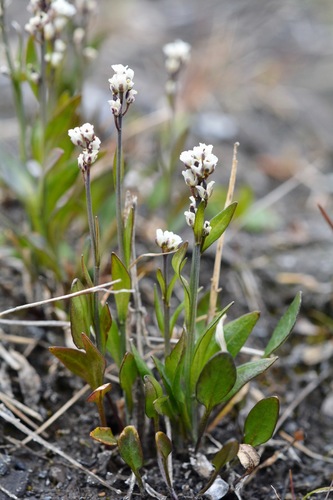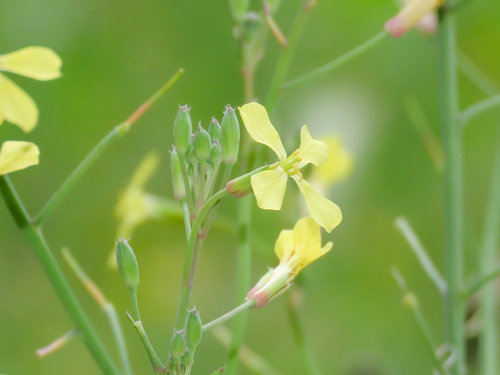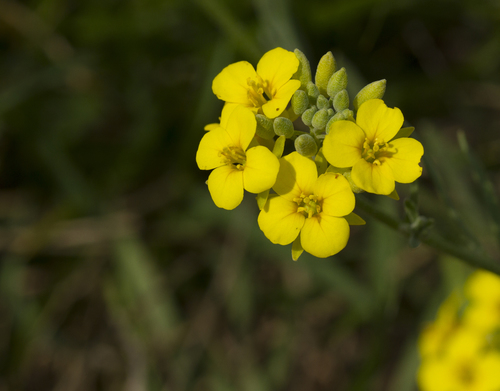
About Physaria fendleri (A.Gray) O'Kane & Al-Shehbaz
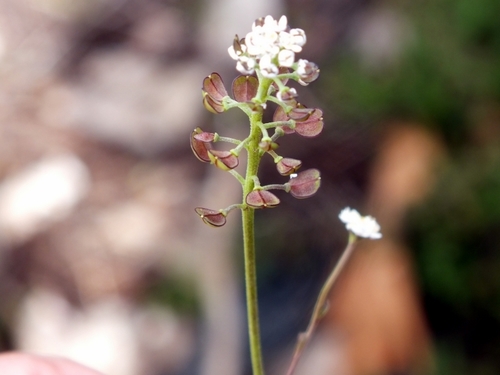
Physaria fendleri is a perennial plant in its natural habitats, but it is cultivated as a winter annual. It produces hairless seed capsules called siliques, each containing between 6 and 25 seeds. This species is native to the Southwestern United States and northern Mexico, and it is also cultivated within these regions. It grows best in the local climates and calcareous soils found here, and it requires less irrigation than many other crops, because it is adapted to live in an arid region. Physaria fendleri is best known as the richest source of bladderpod oil. Most Physaria species, including this one, contain the hydroxy acid lesquerolic acid in their oil, with a seed oil content of approximately 24%. This oil can be used as a replacement for castor oil in some applications, thanks to its ability to form estolides. If this plant becomes more widely cultivated and breeding and refinement techniques are improved, the oil could be used across a number of industries, including cosmetics, coatings, plastics, and lubricants. One barrier to widespread use is the oil’s reddish-brown color, which makes it less valuable for certain applications than the colorless or pale yellow castor oil. Breeding efforts may reduce the pigment content of the plant’s oils over time. Breeding could also select for other useful traits in this species, such as the ability to be cultivated in other climates, male sterility for better pollination control, and tolerance for a wider range of soil types. This plant has uses beyond its oil. The seed coat of P. fendleri contains a useful natural gum that could be a viable food additive, similar to xanthan gum. The seed mash left after processing is high in protein, with a similar proportion of various amino acids to that of the soybean. It may turn out to be a good animal fodder.