About Peucedanum verticillare Spreng., 1827
Species Naming
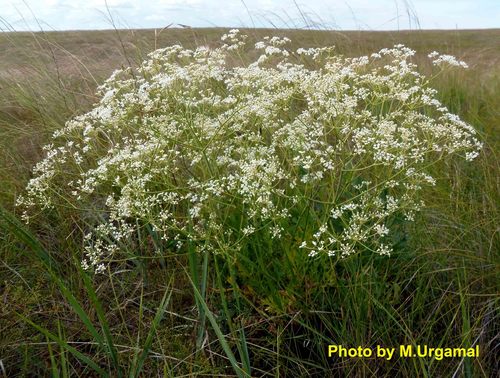
Peucedanum verticillare (common name Giant Hog Fennel) reaches an average height of 180–200 centimetres (71–79 in), with a maximum height of 300 centimetres (120 in).
Stem Characteristics
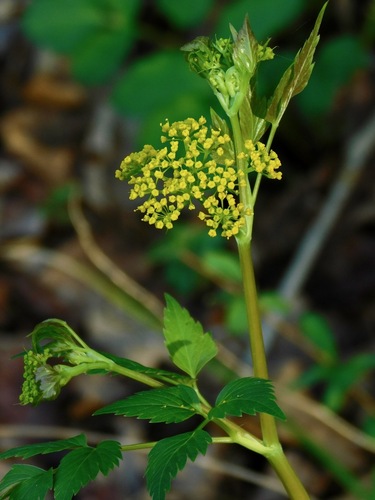
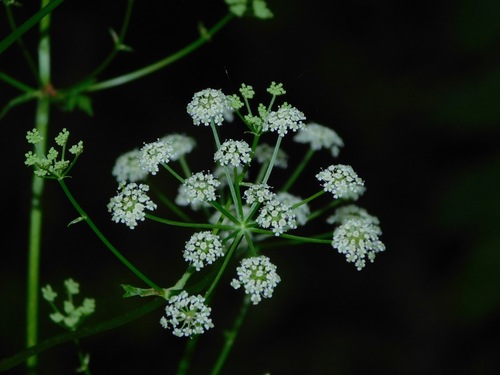
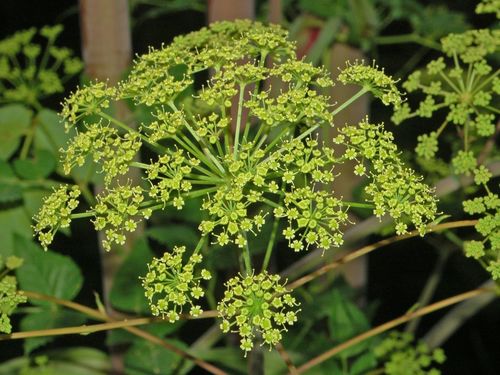
Its stems are glaucous purple, erect, stout at 1–2 cm in diameter, and finely striated. Stems bear 2-3 large flattened umbels with 12-20 rays that hold small greenish white flowers.
Leaf Structure
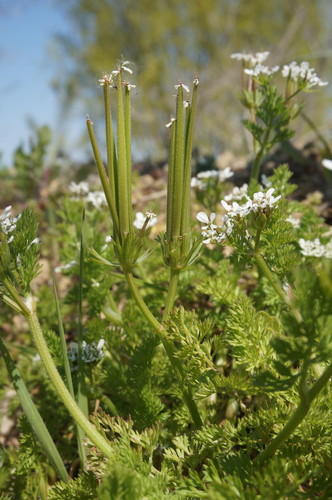
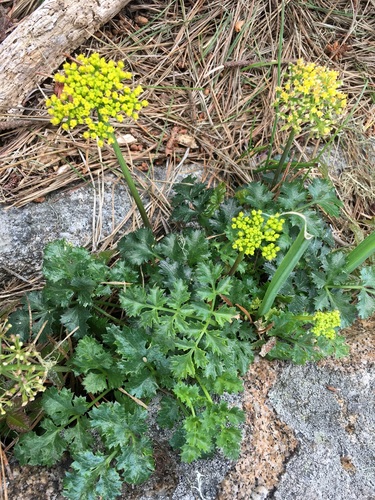
This large, showy umbellifer develops a basal bushy rosette of finely cut glossy dark-green leaves; young leaves are beetroot-red.
Flowering Period
In its native habitat, the flowering period runs from June through August.
Life Cycle
Giant Hog Fennel is a biennial or short-lived perennial that requires two to five years to reach maturity. These plants are deciduous, and die after they flower and produce seeds.
Seed Germination
Its seeds germinate quite easily, so many seedlings typically grow around the remains of the previous plant.
Toxicity
This plant is toxic if ingested.
Species Distribution
This species is widespread from south-eastern Europe to Asia.
Habitat Types
It is commonly found in riverbeds, stream banks, stony ground, and ravines.
Cultivation & Altitude Range
It prefers rich, well-drained soil in a sunny or partially shady location, growing at an altitude of 0–1,600 metres (0–5,249 ft) above sea level.