About Petaurus norfolcensis (Kerr, 1792)
Taxonomy and Naming
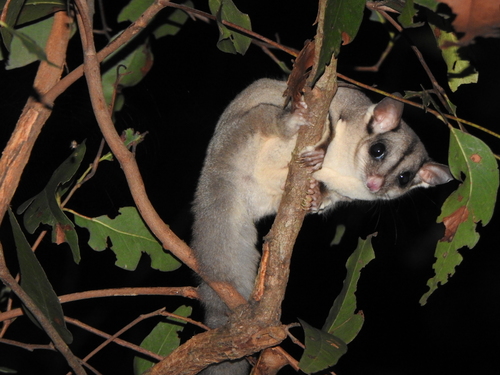
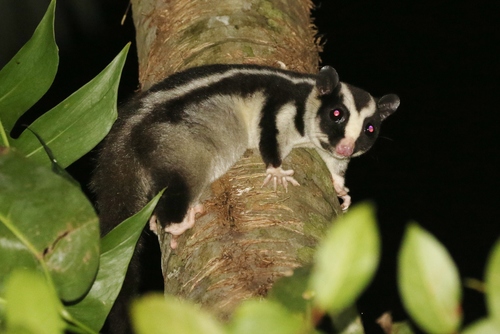
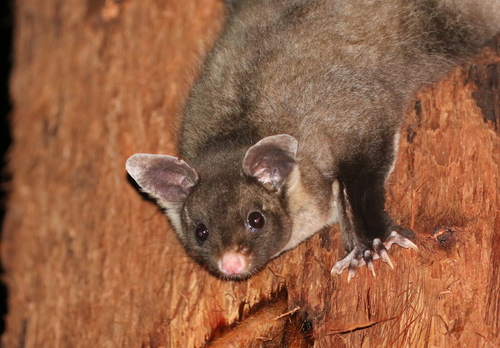
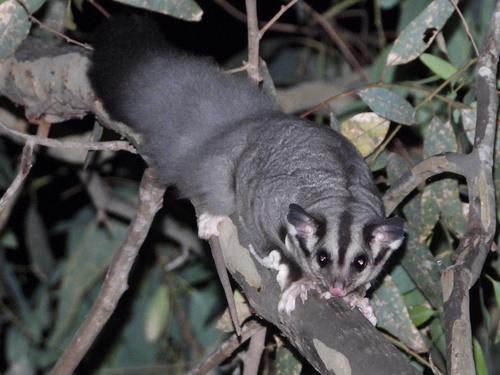
The squirrel glider, scientific name Petaurus norfolcensis (Kerr, 1792), is a nocturnal gliding possum, and one of the wrist-winged gliders in the genus Petaurus.
Geographic Range
The home range of this species runs from Bordertown near the border of South Australia and Victoria, through south-eastern Australia all the way to northern Queensland.
Regional Population Status
It was considered extinct in South Australia from 1939 onward, until genetic testing confirmed that the species still inhabits this area.
Habitat Types
In south-eastern Australia, the squirrel glider lives in dry sclerophyll forest and woodlands, while in Queensland it lives in wetter eucalypt forest.
Denning Behavior
The squirrel glider builds its den inside a tree hollow, lining it with leaves to sleep.
Social Structure
It usually lives in social groups consisting of one male, two females, and their offspring.
Breeding Season and Gestation
The squirrel glider's breeding season falls between June and January, with a gestation period of 18 days.
Litter Size
Females typically produce a litter of one to two offspring per year.
Post-Birth Pouch Development
Immediately after birth, offspring crawl to their mother's marsupium, anchor themselves to a teat, and remain there for about 3 months.
Weaning Process
The mother weans her offspring over around 4 months, while the young stay in the den.
Offspring Independence
Offspring become independent at 10 months old and leave the den.
Lifespan
The expected lifespan of the squirrel glider is 4 to 6 years.