Oxytropis splendens Douglas is a plant in the Fabaceae family, order Fabales, kingdom Plantae. Toxic/Poisonous.

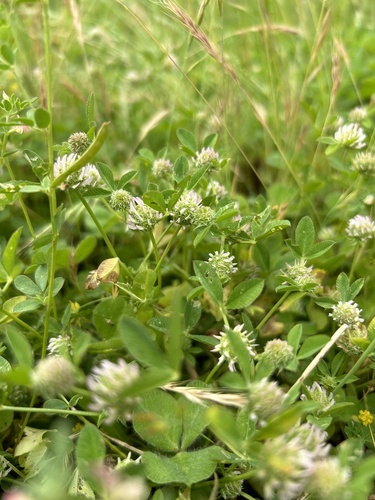
Photo of Oxytropis splendens Douglas (Oxytropis splendens Douglas)
🌿 Plantae ⚠️ Poisonous

Oxytropis splendens Douglas

Oxytropis splendens Douglas

Oxytropis splendens Douglas is a nitrogen-fixing flowering perennial, good for revegetation, that is potentially toxic.

Family
Genus
Oxytropis
Order
Fabales
Class
Magnoliopsida

⚠️ Is Oxytropis splendens Douglas Poisonous?

Yes, Oxytropis splendens Douglas (Oxytropis splendens Douglas) is classified as poisonous or toxic. Toxicity risk detected (mainly via ingestion); avoid direct contact and ingestion. Never consume or handle this species without proper identification by an expert.

About Oxytropis splendens Douglas

Oxytropis splendens Douglas is a tufted plant with silvery, silky-hairy, leafless stems. When blooming, it produces dense spikes of rich lavender flowers that rise from a cluster of pinnately compound basal leaves. This plant has a 3-5 year lifespan, and blooms annually from late June to mid-August. It produces small brown seeds, and its flowers are preferred by many types of bumblebees. It is widely distributed from Alaska, Yukon, and the District of Mackenzie, through the mountains and foothills of Alberta, extending east to Lake Superior and south to southeastern British Columbia, Colorado, New Mexico, North Dakota, and northern Minnesota. It grows best in grassy slopes, open woods, clearings, gravelly river flats, banks, and roadsides. O. splendens is an early colonizer of disturbed gravel areas and unamended coal spoils. Its nitrogen-fixing properties and ability to quickly colonize poor soils make it well-suited for use in revegetation projects. This species is potentially toxic, because it contains toxic alkaloids and accumulates selenium.
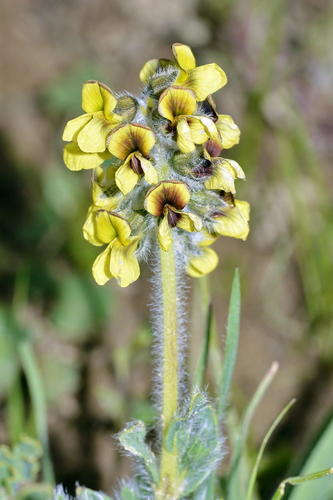
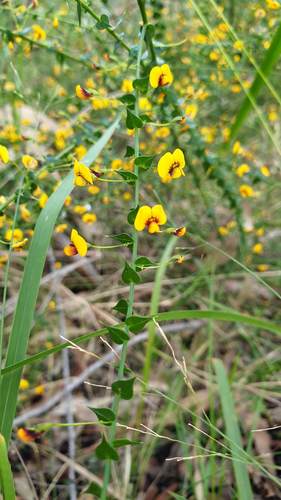
Photo: (c) Vivian, some rights reserved (CC BY-NC), uploaded by Vivian · cc-by-nc

Taxonomy

Plantae Tracheophyta Magnoliopsida Fabales Fabaceae Oxytropis
⚠️ View all poisonous species →

More from Fabaceae

Sources: GBIF, iNaturalist, Wikipedia, NCBI Taxonomy · Disclaimer

Identify Oxytropis splendens Douglas instantly — even offline

iNature uses on-device AI to identify plants, animals, fungi and more. No internet needed.

Download iNature — Free

Start Exploring Nature Today

Download iNature for free. 10 identifications on us. No account needed. No credit card required.

Download Free on App Store