About Oreoxis alpina (A.Gray) J.M.Coult. & Rose
Nomenclature and Taxonomy
Oreoxis alpina, commonly known as the alpine mountain daisy, is a perennial plant belonging to the Asteraceae family.
Native Range
This species is native to high-altitude regions of the Himalayas, Tibet, and western China.
Size and Leaf Morphology
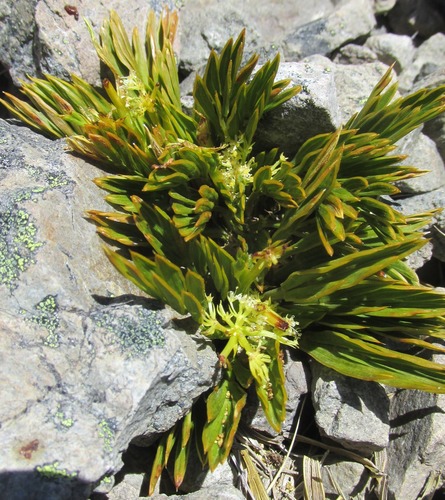
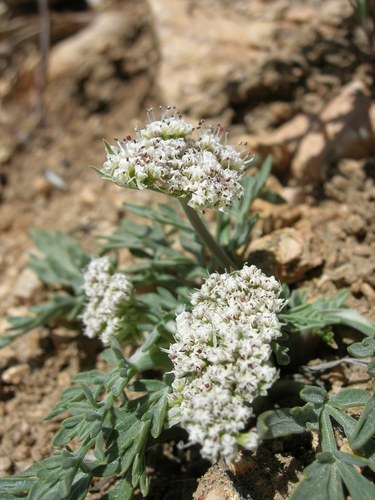
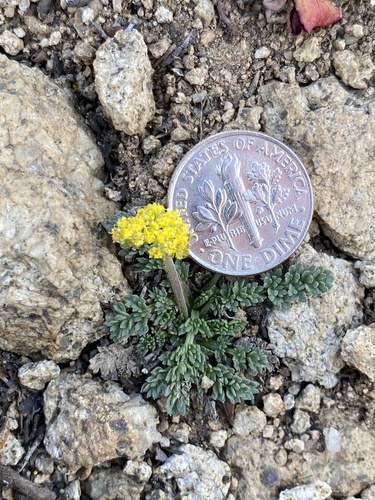
It typically reaches a height of up to 30 cm and features a basal rosette of deeply lobed leaves with toothed edges.
Flower Characteristics
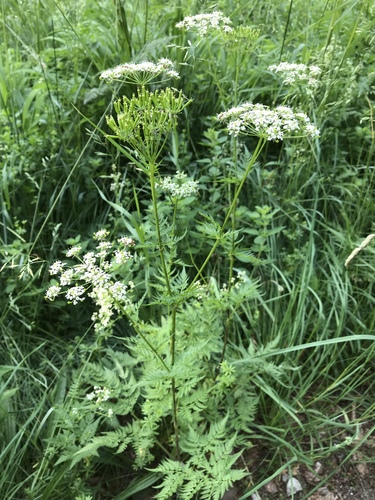
The flowers are small, yellow or white, and form clusters at the tips of long stems.
Environmental Adaptations
Adapted to harsh mountain environments, Oreoxis alpina thrives in cold temperatures, withstands strong winds, and tolerates low oxygen levels.
Habitat and Elevation
It is commonly found on rocky slopes or meadows at elevations between 3,000 and 5,000 meters above sea level.
Traditional Medicinal Uses
Local communities have traditionally used this plant for medicinal purposes, treating ailments such as fever and respiratory issues.
Medicinal Compound Properties
Its leaves contain essential oils with antimicrobial properties, adding to its medicinal value.
Research Model Status
Due to its unique adaptation to high-altitude environments, Oreoxis alpina has become a significant model organism for studying physiological adaptations under extreme conditions, such as hypoxia (low oxygen levels).
Research Implications
This research holds potential implications for human health.
Ecological and Scientific Significance
Overall, Oreoxis alpina is a fascinating species with unique adaptations, making it an essential component of high-altitude ecosystems and a promising candidate for medicinal research.