About Origanum syriacum L.
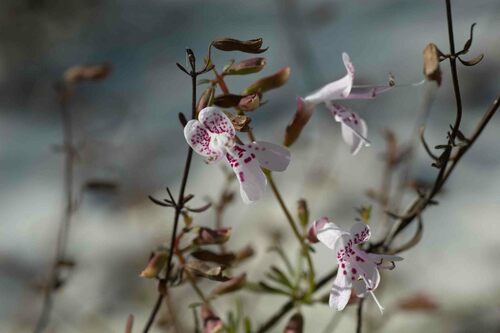
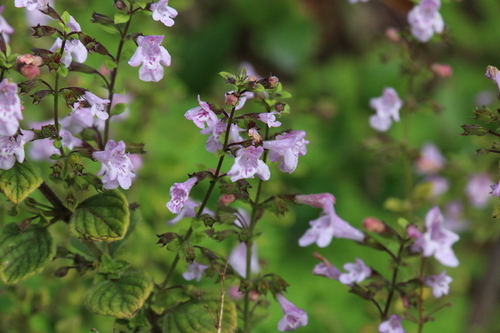
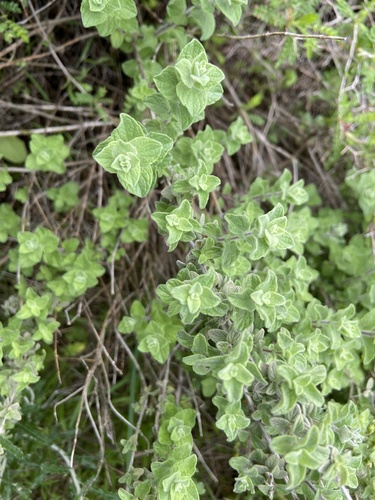
Origanum syriacum L. grows to a height of 1 meter, produces small white or pale pink flowers, and is pollinated by bees. The species is native to the Middle East. In Egypt, Origanum syriacum subsp. sinaicum is a very rare plant that grows on stony ground in the Sinai Peninsula, including the coastal Mediterranean strip. In Israel, wild hyssop and sage (including this species) are classified as endangered and protected under Israeli law, but no major studies on their conservation status have been conducted since 1977. Foraging for za'atar (which uses this plant) is illegal under Israeli law. Origanum syriacum is harvested from the wild to use in preparing za'atar, a flavoring and garnish mixture made from dried herbs, sesame, and sumac. For example, a typical traditional za'atar blend from Lebanon often includes dried leaves of Origanum syriacum and Thymbra spicata, complemented by ground fruits of Rhus coriaria (sumac), toasted sesame seeds, and salt. It is common practice to mix this prepared za'atar with olive oil at home to make a spread, which is then used on flatbreads called manakish. In Lebanese folk medicine, dried Origanum syriacum is used to treat gastrointestinal issues, along with pharyngitis, stomach aches, and cough.