About Sium suave Walter
Leaf Shape Variation
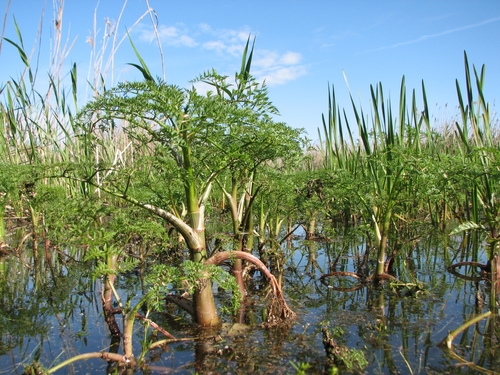
Sium suave (water parsnip) has leaves whose shape and size depend on its growing environment. On moist ground, it forms basal rosette leaves around 3.8 cm long; in shallow water, it grows clusters of aquatic leaves.
Plant Size
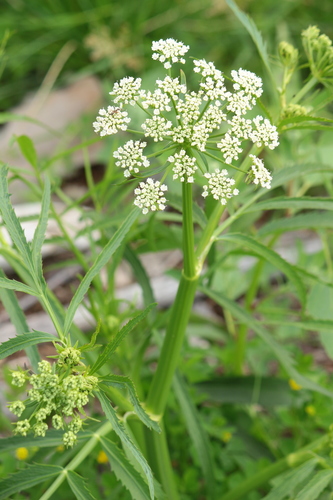
Once its leaves are fully formed, this flowering plant can reach up to 3 meters tall, with stems up to 5 cm in diameter.
Stem Characteristics
Water parsnip stems are light green, glabrous, have longitudinal veins, and bear few branches.
Cauline Leaf Structure
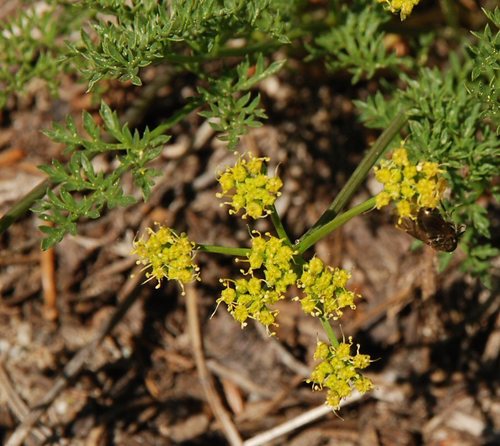
Leaves growing along the stems are alternate and odd-pinnate.
Flower Reproductive Traits
Water parsnip flowers are perfect, meaning they have both male and female parts, and the species is self-fertile.
Inflorescence and Flower Structure
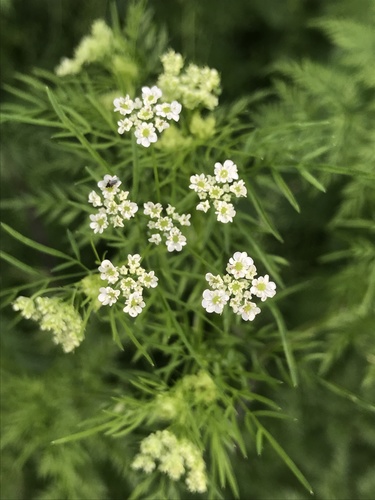
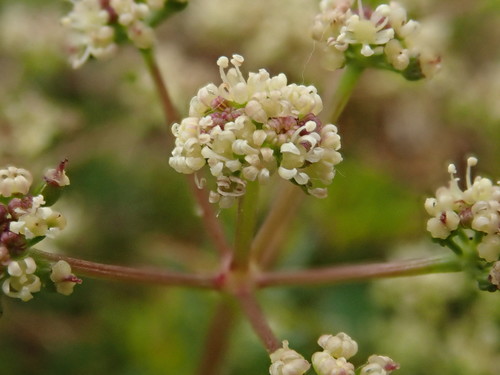
The flowers form umbellule inflorescences that hold 10-20 small white flowers each; these flowers are around 3.2 mm across, with 5 petals that may sometimes be unequal in size and are somewhat heart-shaped.
Pedicel and Fruit Traits
Flower pedicels are 3–5 mm long, and the fruit is ovoid. The fruit is dry and does not split open when ripe.
Habitat Type
Sium suave grows in wetland habitats, both sandy and non-sandy.
Specific Habitat Locations
These habitats include wet prairies, seep bottoms, low areas along springs, soggy thickets, swamps, pond borders and shallow pond water, marshes, and ditches.
Native Range
It is native to both North America and Asia, occurring in Canada, the United States, Japan, the Russian Federation, South Korea, and China.
Toxicity Warning
Extreme caution must be taken when using this plant for food, because it strongly resembles the very poisonous Cicuta maculata (spotted water hem-lock).
Edible Root Uses
Edible parts of Sium suave are the root, collected in spring and fall, which can be eaten raw or cooked and has a nutty flavor.
Leaf and Root Medicinal Uses
Its leaves are also sometimes used in condiments such as relish. Crushed water parsnip roots have additionally been used as an analgesic, a pain reliever, for broken limbs.
Cultivation Soil Requirements
For cultivation, water parsnip should be grown in wet mucky soil or sand, or in standing water up to one and a half inches deep.
Cultivation Light Requirements
It also prefers partial to full sun.
Seed Sowing Instructions
Seeds should be sown in a cold frame from late winter to early spring.
Flowering and Seed Ripening Period
Sium suave flowers from July to August, and its seeds ripen from September to October.
Heavy Metal Accumulation
It has been found to accumulate arsenic and heavy metals near abandoned mine tailings in South Korea.
Growth Response to Nitrate
When additional NO3-N is added to the soil, water parsnip shows increased production.