About Oenothera gaura W.L.Wagner & Hoch
Nomenclature and Common Name
Oenothera gaura W.L.Wagner & Hoch, commonly called biennial beeblossom, is a tall, weedy plant species.
Flower and Mature Leaf Coloration
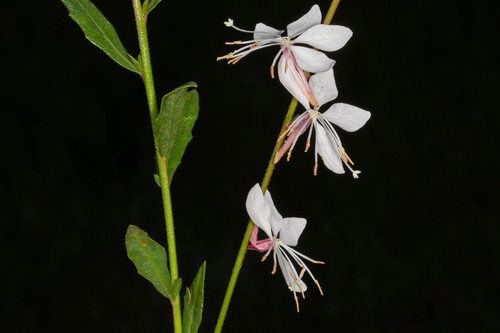
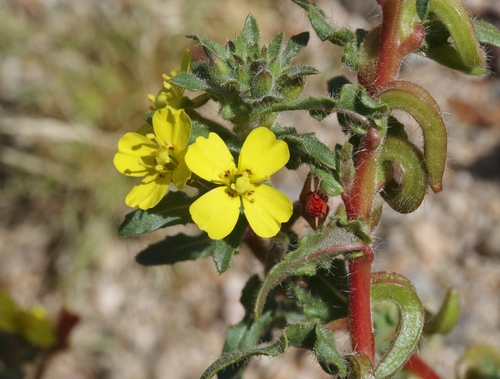
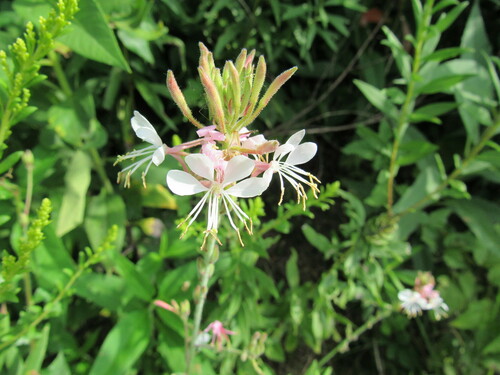
Individuals have white to light pink flowers when blooming, and mature leaves turn red.
Structural Adaptation for Seed Dispersal
The plant has a flexible structure that sways in the wind, which aids in seed dispersal.
Species Identification Feature
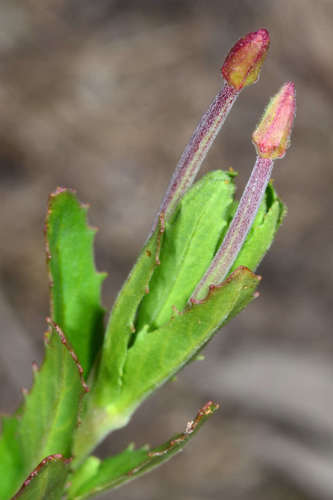
Several hairy stems emerge from the top of the plant where flowers grow, and this feature is the easiest way to identify the species.
Floral Morphology and Pollination
Flowers typically have 4 petals, 8 stamens, and 1 pistil, and are mostly pollinated by bees and other insects.
Biennial Life Cycle and Size
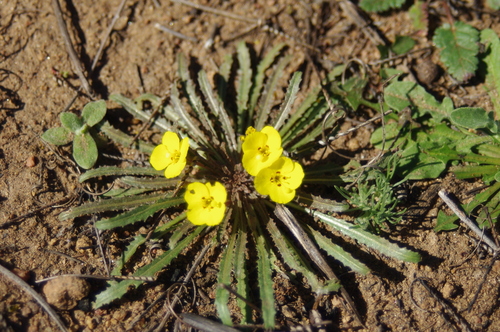
This is a biennial species: it starts as a small plant in its first growing season, and reaches 0.9–1.8 m (3–6 feet) tall during its second growing season, completing its full life cycle over two growing seasons, reaching full maturity by the end of the second season.
Fruit Characteristics
The fruits are ribbed or ridged capsules, and are occasionally woody.
Seed Traits and Dispersal
It produces small seeds that are easily dispersed by wind and other methods.
Native Range in North America
This species naturally occurs throughout eastern and central North America, ranging as far north as Quebec, Canada.
United States Distribution
In the United States, it can be found in Connecticut, Delaware, Georgia, Illinois, Kentucky, Massachusetts, North Carolina, South Carolina, New York, Texas, and Virginia.
General Habitat Types
It grows primarily in prairies across North America, as well as in dry, rocky areas and deserts.
Habitat Preferences and Adaptability
It prefers sunny, dry locations, and can adapt to a wide range of habitats thanks to its ability to grow deep roots.
Winter Survival Requirements
To survive wet winters, it requires a dry spot with light soil.