About Nematalosa erebi (Günther, 1868)
Taxonomy and Body Shape
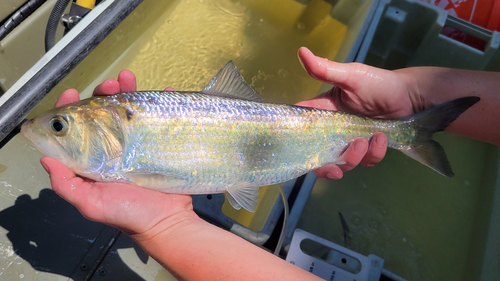
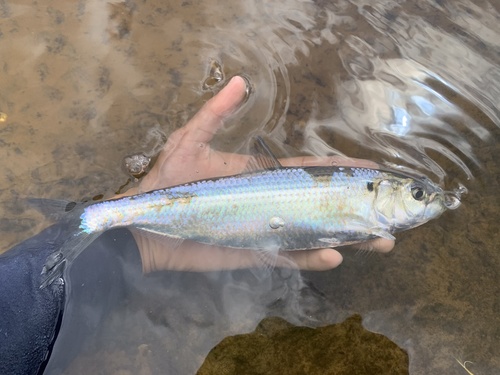
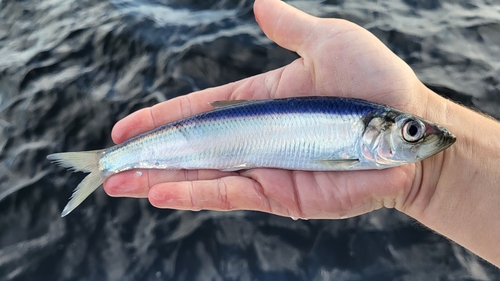
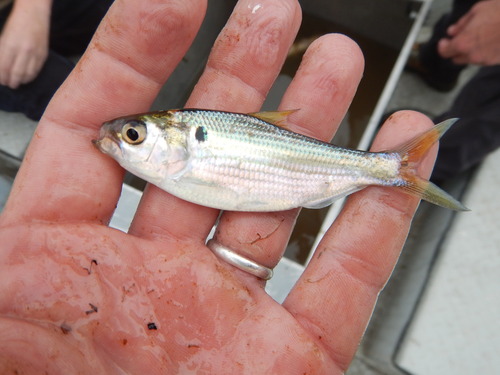
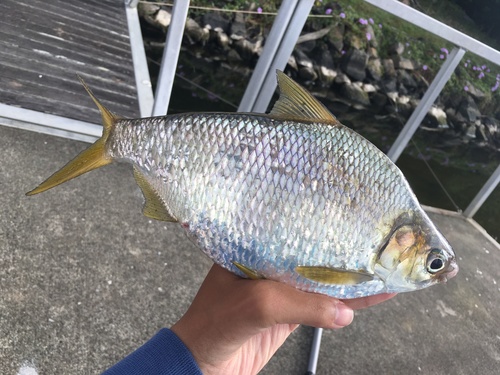
Nematalosa erebi, first described by Günther in 1868, is a deep-bodied, laterally compressed fish with a blunt snout.
Fin Structure
Its dorsal fin lacks spines, and the posterior ray of this fin is developed into a long filament.
Base Coloration
Individuals are usually entirely silver, but sometimes show a grey or greenish colour on the dorsal side.
Breeding Coloration
In Victoria, this species has been reported to develop a rusty red tinge, especially around the mouth, which is thought to be connected to breeding.
Distinct Markings
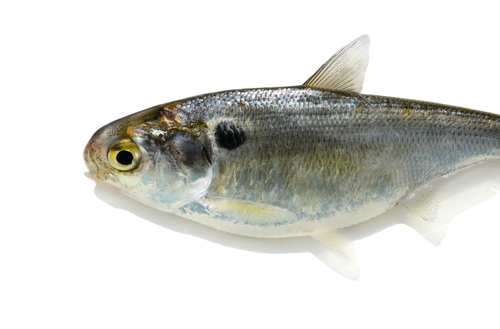
Some populations develop a dark blotch on the shoulder.
Distribution Range
This species is common and widespread across its entire range, found across multiple Australian drainage divisions: the Pilbara, Timor Sea, Gulf of Carpentaria, Northeast Coast, Murray-Darling (mostly at elevations below 200 metres, or 650 ft, though it is also present in Tinaroo Dam at 660 m elevation), and Lake Eyre.
Common Name Etymology
It is often called "Barra lollies" because impoundment barramundi tend to round up schools of this fish.
Shoaling Behavior
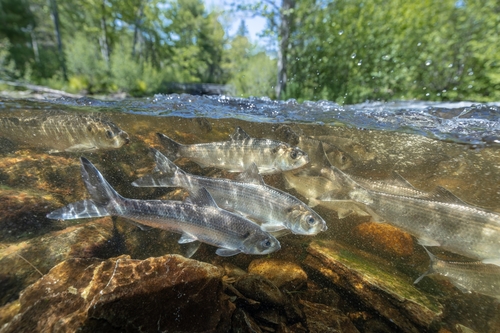
It typically forms large shoals near the seabed or river bottom.
Primary Habitat
Its habitat varies widely, but it mostly occurs in shallow areas of slow-flowing or still rivers and streams, particularly in turbid conditions.
Extreme Habitats
It can also be found in desert bores, and in fresh or saline lakes with salinity up to almost that of sea water.
Abiotic Tolerances
It can tolerate water temperatures between 9° and 38 °C, and pH levels between 4.8 and 8.6.
Vulnerability to Low Oxygen
Despite this broad range of environmental tolerances, bony bream are susceptible to low oxygen levels, and are often the first species to die when ephemeral habitats begin to dry up.