About Microlaena stipoides (Labill.) R.Br.
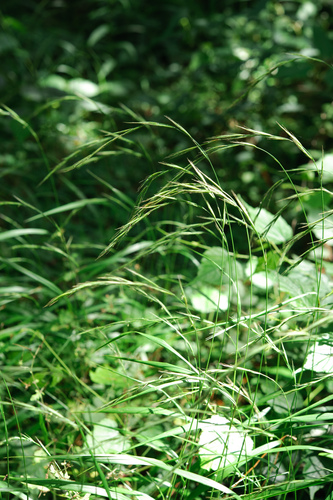
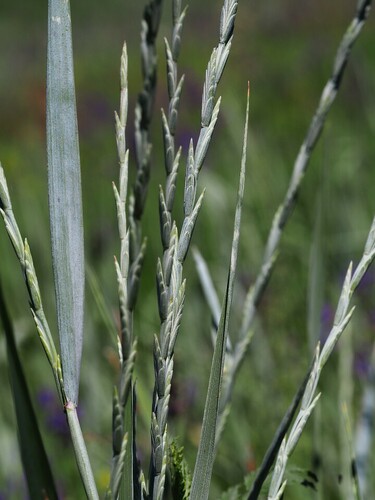
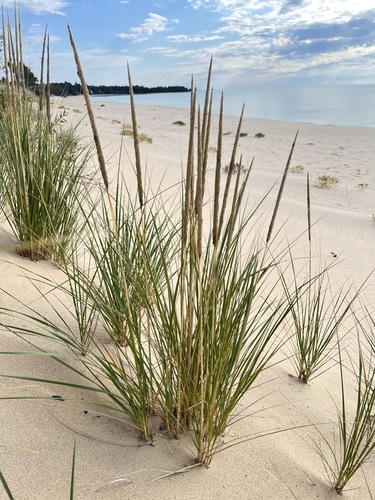
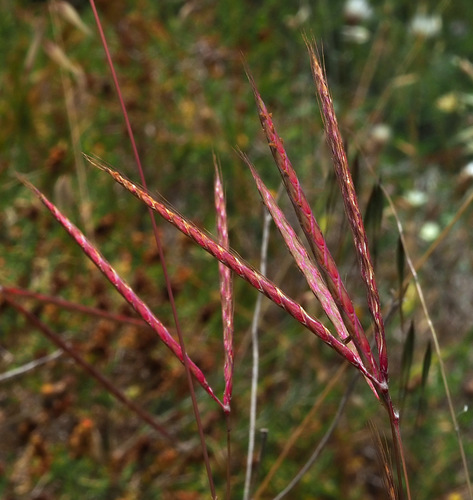
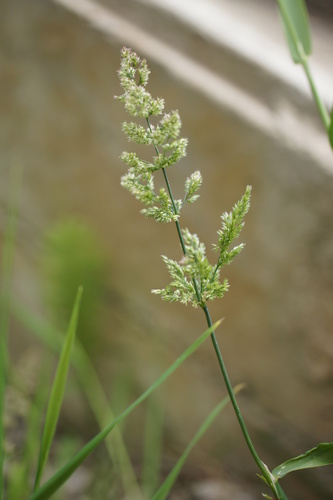
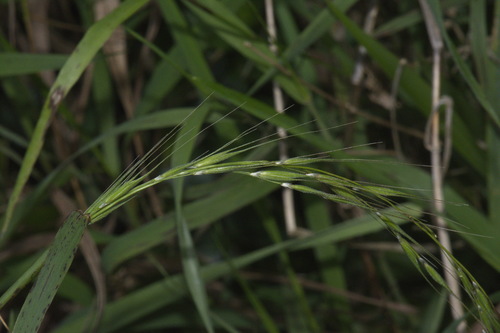
Microlaena stipoides (Labill.) R.Br., commonly called Weeping Grass and Meadow Rice Grass, is a perennial grass that grows to approximately 0.7 meters tall. It produces delicate, drooping stalks of spikelets. Its naked caryopses (grains) are shaped similarly to rice grains but are smaller, at around 5 mm long, with a mass that varies widely between 1 mg and 7 mg. This grass grows best in acidic soils, and is both drought- and frost-tolerant. In Australia, it occurs in regions with medium to high annual rainfall (above 600 mm), and its leaves normally stay green year-round. The 1889 publication The Useful Native Plants of Australia notes that this grass stays beautifully green throughout the year, so it should be encouraged for pasturage. It can grow on poor soil as long as the soil is damp. It is considered nearly as valuable as Kangaroo grass, and more valuable than Kangaroo grass in the cool season. Mr. Bacchus found that it tolerates overstocking better than any other native Australian grass and maintains a close turf. It is also valued in New Zealand. Ranken gave high praise for the value of this grass after many years of experiments, though it does not always produce seed freely. For grazing livestock, Microlaena stipoides provides nutritious pasture, with productivity ranging from approximately 2 to 7 tonnes per hectare and digestibility ranging from approximately 60–70%. Due to its drought tolerance, there is growing interest in using it as a turf grass to replace exotic species. It is currently being researched for use as a perennial grain crop. Its grains are high in protein, and small-scale commercial production for human consumption has already started.