About Microkayla wettsteini (Parker, 1932)
Size
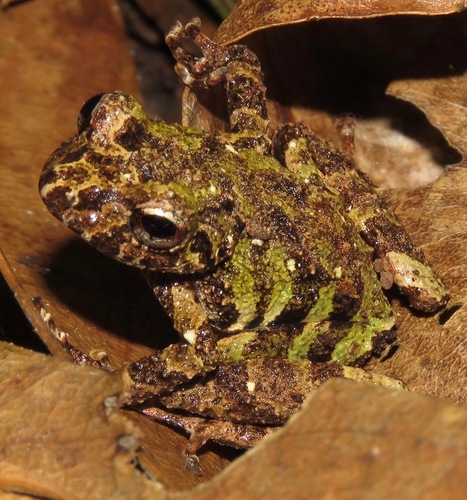
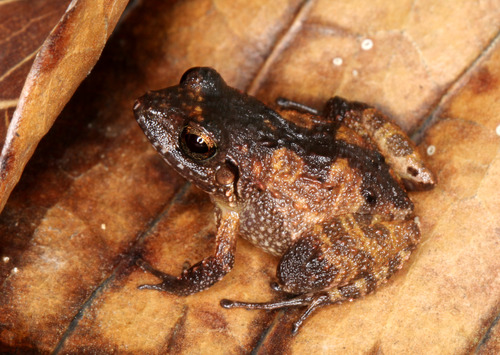
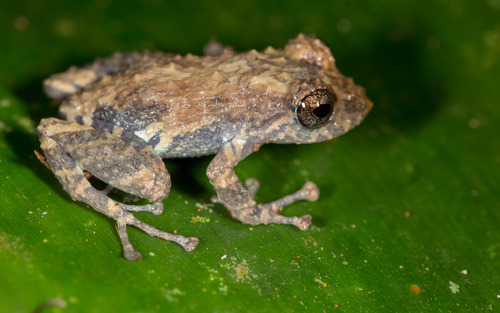
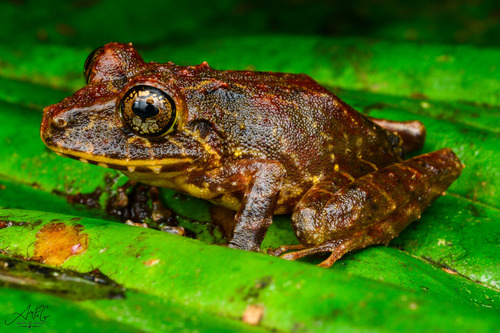
Microkayla wettsteini is a comparatively large species, with a maximum snout–vent length of 33.4 mm (1.31 in). It has a robust body and long limbs, with a rounded snout.
Tympanum Features
The tympanic membrane is absent, but the tympanic annulus is visible through the skin. The tips of its digits are only slightly swollen.
Toe Morphology
Its toes have neither webbing nor lateral fringes.
Skin Texture
Its skin is finely granular on the back and flanks, and granular on the ventral side.
Dorsal Coloration
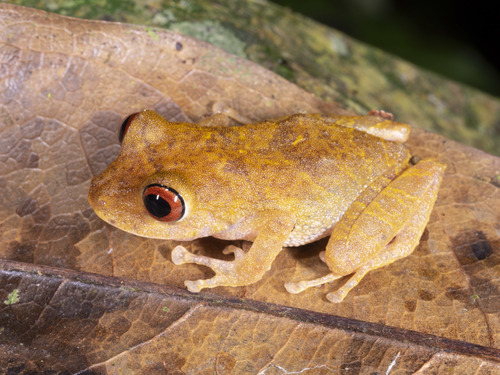
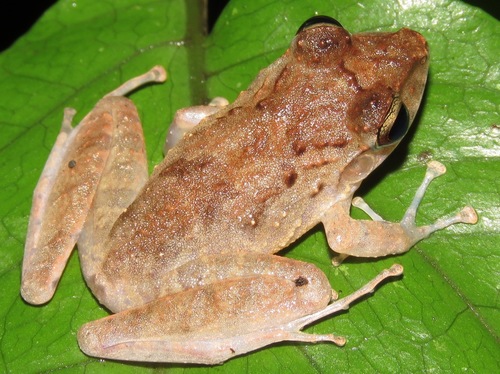
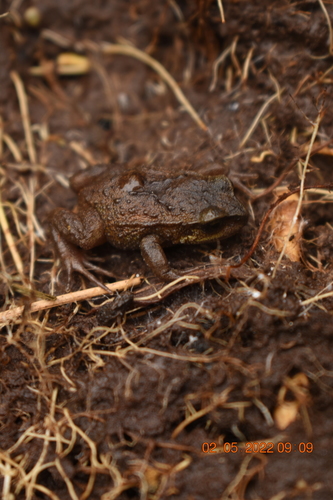
The dorsum is gray or reddish-brown, and may have pale spots.
Ventral Coloration
The venter is cream-colored, with a variable pattern of reddish-brown spots or reticulations.
Fecundity
This species has an average fecundity of 13 eggs, with each egg measuring 5 mm (0.20 in) in diameter.
Habitat and Elevation
Microkayla wettsteini lives in upper cloud forest and humid páramo grassland at elevations between 2,900–3,900 m (9,500–12,800 ft) above sea level. Individual frogs have been found under stones.
Activity Pattern
They can be active both during the day and at night, and this includes calling activity by males.
Diet
Their diet consists of insects.
Conservation Status
Microkayla wettsteini is an abundant species with no known major threats.