About Macroptilium lathyroides (L.) Urb.
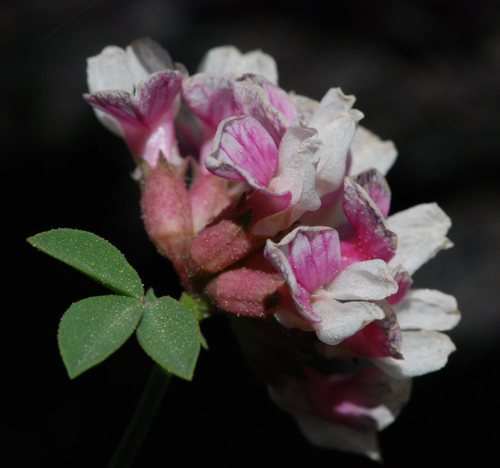
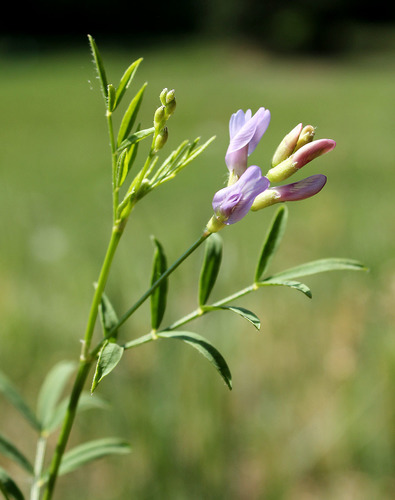
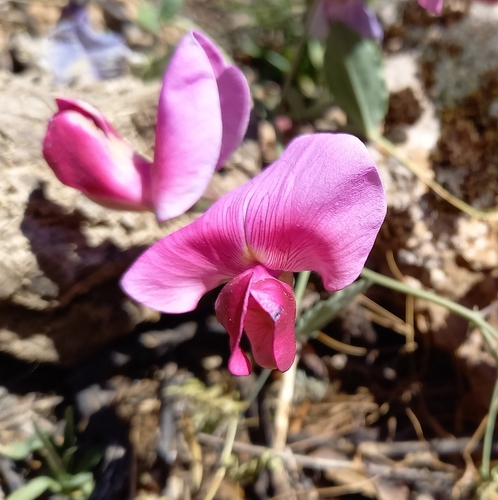
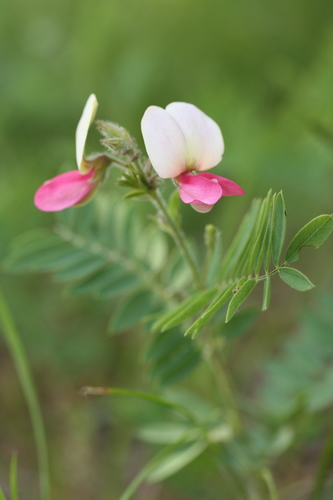
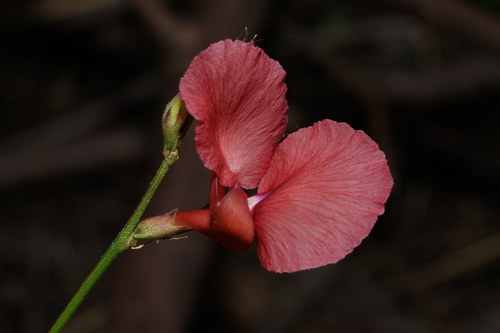
Macroptilium lathyroides is a herbaceous annual or short-lived perennial plant that grows 0.6 to 1 meter tall. Its leaves are compound, with three ovate to lanceolate leaflets that measure 3 to 8 cm long and 1 to 3.5 cm wide. Red to purple flowers, which have wing petals larger than the lower petals, develop on long stalks. This species produces paired long pods that are 5.5 to 12 cm long and 2.5 to 3 mm wide. When mature, these pods readily shatter, releasing numerous seeds that are dispersed by wind. Seeds are obliquely oblong, about 3 mm long, and mottled light and dark grey-brown or black. Under moist conditions, the plant spreads easily from seed. Macroptilium lathyroides is native to most of tropical and subtropical America, ranging from Mexico to Argentina. It adapts to a wide range of altitudes, growing up to 2000 m in Ecuador, and tolerates many soil types from deep sands to heavy clays, with a soil pH range of 5.0 to 8.0, most commonly 6.0 to 7.0. It occurs in areas with an annual rainfall of 750 to 2000 mm. It can tolerate moderate frost and moderate salinity. This plant tends to form dense monocultures, but once established, it grows well alongside open grasses, particularly in fertile conditions. Especially in shade, it readily twines around itself or other plants, and can reach up to 1.5 m in height. Macroptilium lathyroides is widely naturalized across tropical regions of the world, and is cultivated for forage, as a green manure, or as a cover crop in crop rotation. It is considered a good pioneer species because it spreads easily without competition and shows strong early growth. In some regions, it is classified as a minor weed of rice. In Queensland and the Northern Territory, Australia, it is recognized as an environmental weed.