About Lumnitzera racemosa Willd.
Size and Root Features
Lumnitzera racemosa Willd. is a small to medium-sized evergreen tree that reaches a maximum height of 37 meters (121 feet). This species develops pneumatophores, and often has stilt roots.
Leaf Characteristics
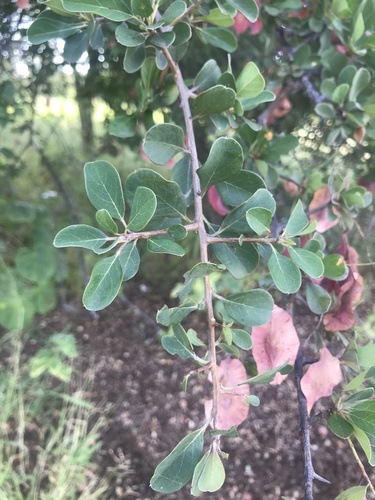
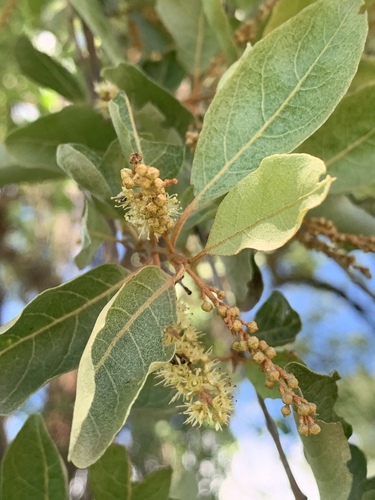
Its leaves are arranged spirally at the tips of shoots, are simple and obovate, and have slightly toothed margins.
Reproductive Structures
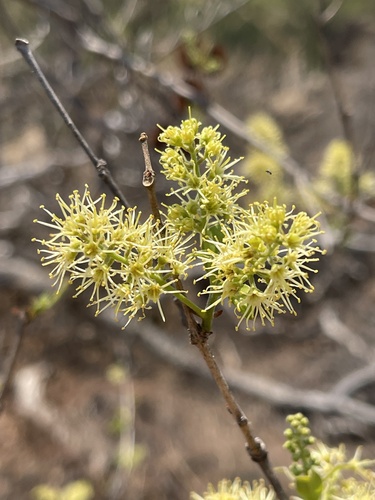
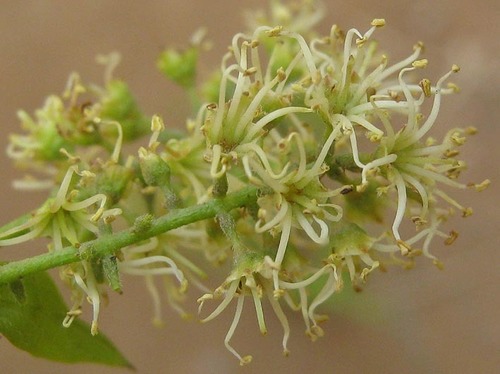
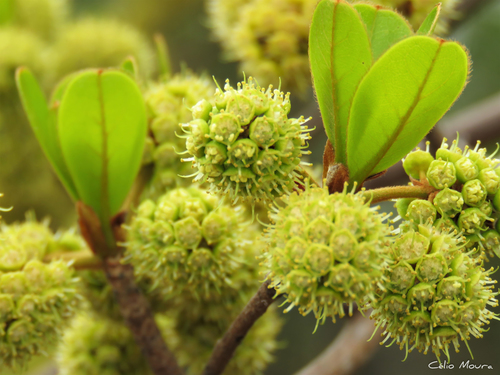
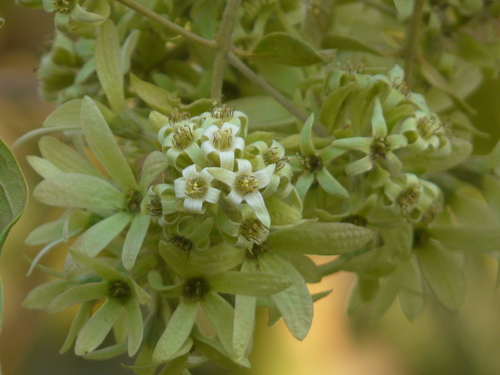
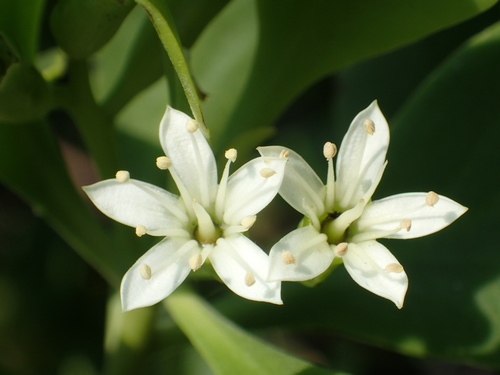
Inflorescences form short spikes that grow in leaf axils or at the tips of shoots. The small white flowers produce woody, flattened fruits that each contain a single seed.
Native Distribution
This species is native to a broad area stretching from KwaZulu-Natal (South Africa) to southeast Kenya in the western Indian Ocean, extending through tropical and subtropical Asia to the western Pacific.
Range Specifics
Its confirmed native range includes KwaZulu-Natal, Mozambique, Tanzania, Kenya, Madagascar, Aldabra, Seychelles, Chagos Archipelago, Maldives, India, Sri Lanka, Andaman Islands, Nicobar Islands, Bangladesh, Myanmar, Thailand, Cambodia, Vietnam, southeast China, Hainan, Taiwan, Nansei-shoto, Korea, South China Sea, Philippines, Peninsular Malaysia, Jawa, Lesser Sunda Islands, New Guinea, and New Caledonia.
Regional Occurrence
In Mozambique, it is one of only ten recorded mangrove species.
Habitat
It grows in the upper portion of the intertidal zone, occurring on beaches and lining creek banks. It is a fast-growing, pioneering species.
Timber Uses
The timber of Lumnitzera racemosa is strong and durable, and it has many uses including bridge construction. In Cambodia, the wood is highly preferred for charcoal production.
Bark Uses
The bark is harvested for the tannins it contains.