About Lomatia fraseri R.Br.
Growth Form and Size
Lomatia fraseri R.Br. most often grows as a tall shrub or small tree reaching 8–11 metres (25–36 ft) in height, but it grows much smaller in exposed locations. On heathland in Werrikimbe National Park, this species is only 50 cm (20 in) tall, and reaches 2 m (6 ft 7 in) tall in exposed areas of Victoria.
Leaf Shape and Dimensions
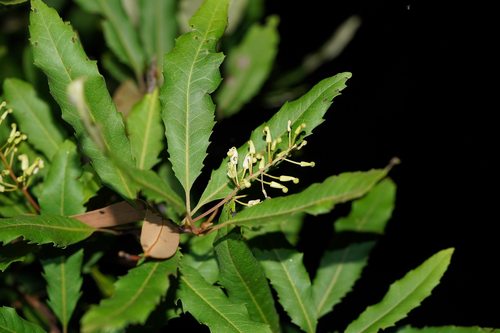
Its leaves are lanceolate to elliptic in shape, and vary from entire to deeply pinnatisect. Leaves are between 6.5 and 15 cm long, rarely reaching 18 cm, and between 1 and 3.5 cm wide, rarely reaching 5 cm.
Leaf Margin Variability
Leaf margins are generally toothed, though they are occasionally entire or deeply lobed. Leaf shape and structure is highly variable, and leaves can differ markedly even on a single individual plant.
Leaf Surface Features
The upper leaf surface is green and glabrous, while the lower surface is yellow-green and covered in silky hairs.
Inflorescence Characteristics
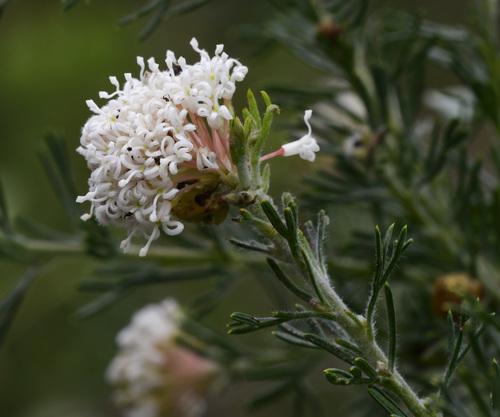
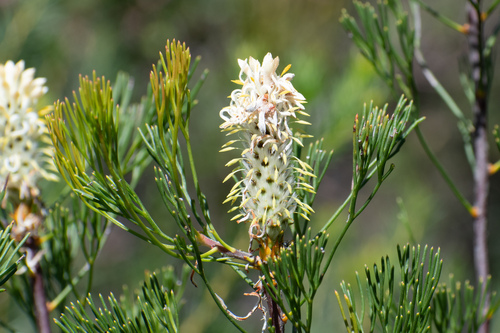
Individual flowers are arranged in racemes up to 12 cm (5 in) long, and the inflorescences are more crowded than those of other Lomatia species.
Flowering and Fruiting
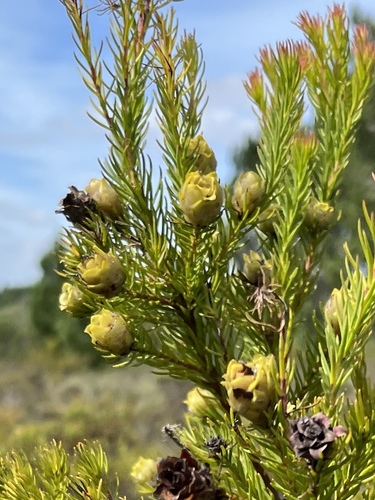
These white to cream inflorescences appear between December and February within the species' native range, and later develop into dark grey follicles 1.5 to 3 cm (0.6 to 1.2 in) long that ripen from April to October.
Native Distribution Range
Lomatia fraseri has a disjunct native distribution; it occurs in the New England district of northern New South Wales, extending north to Tenterfield, and from Budawang National Park in southern New South Wales into eastern and central Victoria, reaching the Otway Ranges.
Habitat Preferences
It grows at rainforest margins in mountainous regions. In Victoria, it is often found in gullies, while in New South Wales it grows more commonly in open woodland and heath.
Naturalised Range
This species has been documented as naturalised in New Zealand.
Post-Fire Regeneration
Lomatia fraseri regenerates after bushfire by resprouting from a lignotuber.
Logging Impact
Fieldwork conducted in the Central Highlands of Victoria predicts that local Lomatia fraseri populations will be negatively affected by clearfelling and salvage logging that occurs after bushfires.
Horticultural Appeal
In horticulture, the species' marked variation in leaf shape is considered an interesting feature.
Cultivation Requirements
Lomatia fraseri will grow in full sun, but prefers part-shade. It benefits from extra watering when young and from organic mulch, and is moderately frost-tolerant.
Propagation Methods
It can be propagated by seed or by cuttings.
Wood Uses
Joseph Maiden recorded that the wood of Lomatia fraseri is light, hard, and easily worked, and was used for furniture and window-frames during the 19th century.