About Lantana trifolia L.
Lantana trifolia, commonly known as West Indian Lantana, is a flowering plant in the Verbenaceae family. Native to tropical regions of Central and South America, it has been introduced and naturalized in many parts of the world.
Growth Form
The plant typically grows as a shrub or small tree, reaching heights of up to 3 meters.
Leaf Features
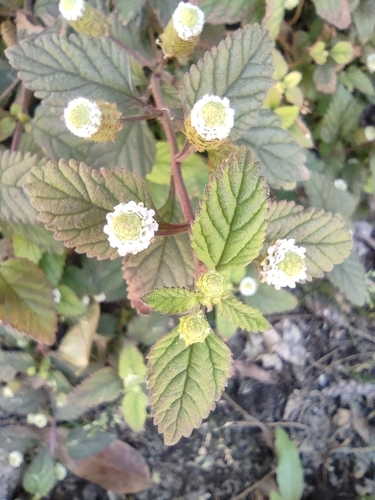
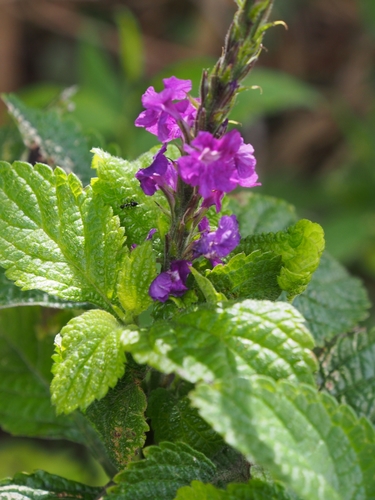
Its dark green leaves are arranged in groups of three, which is reflected in its name "trifolia."
Flower Characteristics
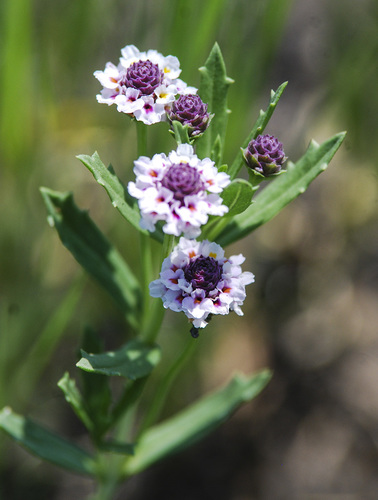
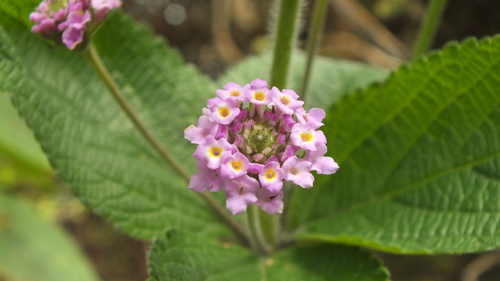
Lantana trifolia produces small clusters of flowers that can range in color from white to pink or orange-red.
Landscaping Use
Known for its hardiness and adaptability, Lantana trifolia is a popular choice for landscaping projects.
Environmental Tolerance
It thrives in various soil types and can tolerate both drought and flooding conditions.
Medicinal Properties
In addition to its ornamental value, the plant has medicinal properties.
Active Compounds
It contains compounds such as triterpenoids, flavonoids, and alkaloids, which have been traditionally used to treat ailments such as fever, coughs, and colds, among others.
Potential Risks
However, Lantana trifolia does pose some risks.
Toxicity Symptoms
It can be toxic if ingested by humans or animals, causing symptoms such as vomiting and diarrhea.
Overall, Lantana trifolia is an attractive ornamental plant with medicinal benefits, but it should be handled with care due to its potential toxicity when ingested by humans or animals.