About Priva lappulacea (L.) Pers.
Priva lappulacea, commonly known as the Indian privet or Himalayan privet, is a species of flowering plant in the family Verbenaceae. Native to Asia, it is found in countries such as India, Nepal, Bhutan, and China.
Growth Form
The Indian privet is a deciduous shrub that can grow up to 3 meters tall.
Leaf Features
It has dark green, oval-shaped leaves with serrated edges, growing up to 10 cm long.
Flower Characteristics
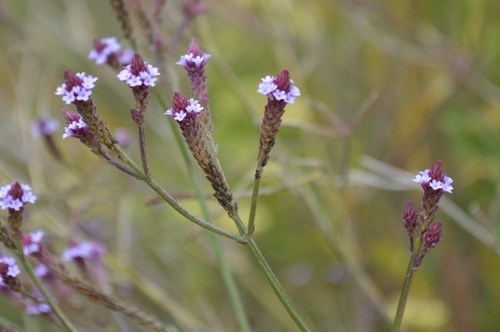
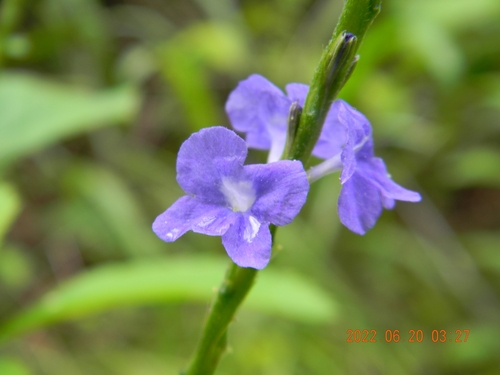
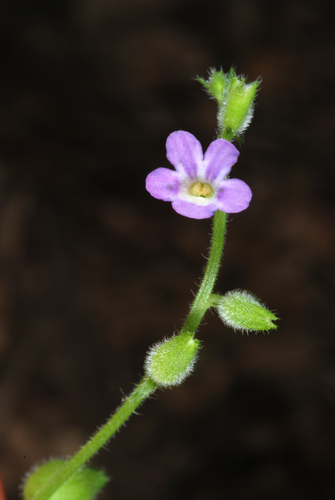
During the summer months, the plant produces small white flowers that bloom in clusters.
Medicinal Properties
For centuries, the Indian privet has been used for medicinal purposes due to its anti-inflammatory properties.
Traditional Skin Treatments
Traditionally, its leaves have been used to treat skin diseases such as eczema and psoriasis.
Ornamental Value
Beyond its medicinal uses, this shrub is also valued for its ornamental appeal, thanks to its attractive foliage and flowers.
Cultivation Uses
It can be cultivated in gardens or parks as a hedge or border plant.
Invasive Risk
However, it's important to note that the Indian privet can become invasive when grown outside its native range, potentially causing ecological issues if not properly managed.
Species Summary
In summary, Priva lappulacea is an intriguing species with both medicinal benefits and ornamental value.
Introduction Precautions
Nonetheless, it should be carefully monitored when introduced into new environments outside its natural habitat in Asia.