Plants — 23,508 Species
Top Families in Plants
All Plants Species
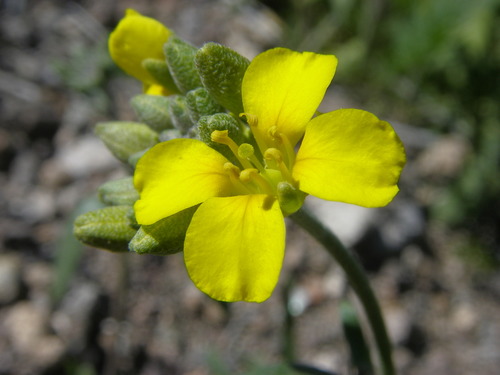
Gordon's bladderpod
Physaria gordonii (A.Gray) O'Kane & Al-Shehbaz
Physaria gordonii (Gordon's bladderpod) is a winter annual Brassicaceae wildflower native to the Southwestern US and Northern Mexico.

white bladderpod
Physaria purpurea (A.Gray) O'Kane & Al-Shehbaz
Physaria purpurea (western white bladderpod or rose bladderpod) is a perennial Brassicaceae plant native to the Sonoran Desert.
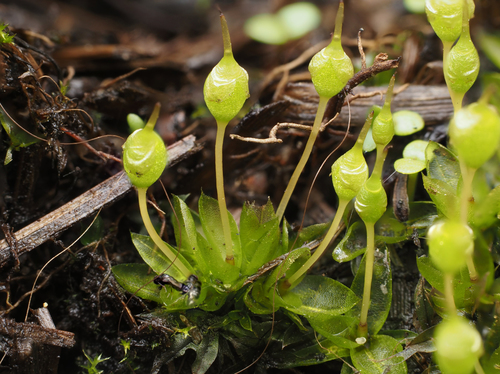
common bladder moss
Physcomitrium pyriforme (Hedw.) Brid.
Common bladder-moss (Physcomitrium pyriforme) is a variable bryophyte native to most continents, growing in wet disturbed soils.
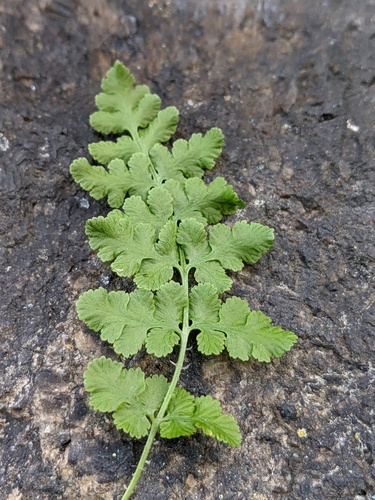
blunt woodsia
Physematium obtusum (Spreng.) Hook.
Physematium obtusum, the bluntlobe cliff fern, is a common hairy rock fern of eastern North America.
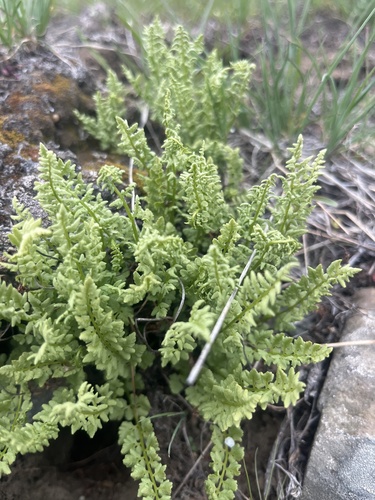
Oregon woodsia
Physematium oreganum (D.C.Eaton) Trevis.
Physematium oreganum is a fern of western North America that grows in rocky habitats, identifiable by its lack of long rachis hairs.
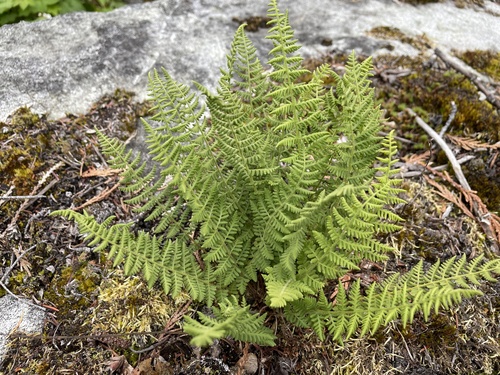
Rocky Mountain woodsia
Physematium scopulinum Trevis.
Physematium scopulinum is a North American fern that grows in sunny rocky mountain habitats, distinguished by its hairy grooved rachis.
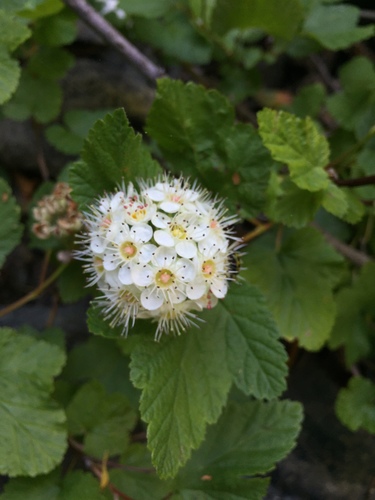
Pacific ninebark
Physocarpus capitatus (Pursh) Kuntze
Physocarpus capitatus, or Pacific ninebark, is a deciduous North American shrub with traditional uses, restoration value, and garden popularity.
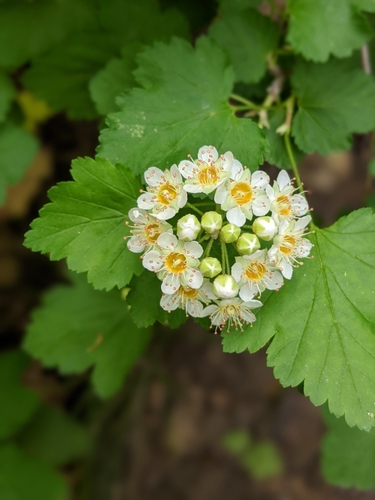
mallow-leaf ninebark
Physocarpus malvaceus (Greene) Kuntze
Physocarpus malvaceus is a deciduous native western North American shrub, a fire-resistant pioneer that can hamper forest regeneration.
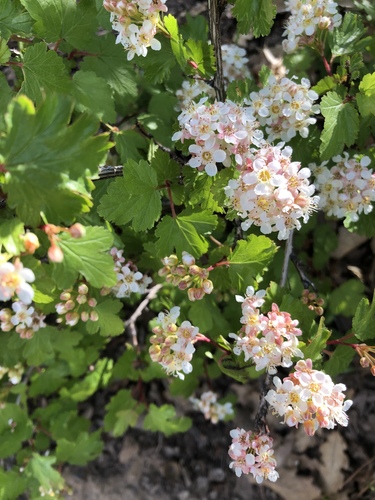
mountain ninebark
Physocarpus monogynus (Torr.) J.M.Coult.
Physocarpus monogynus, or mountain ninebark, is a North American shrub with recorded traditional pain relief use.
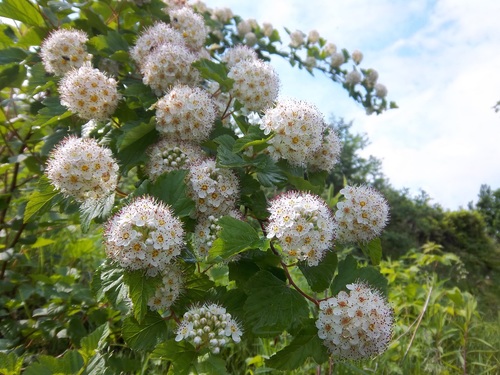
common ninebark
Physocarpus opulifolius (L.) Maxim.
Physocarpus opulifolius is a hardy North American deciduous shrub grown for erosion control and ornament.
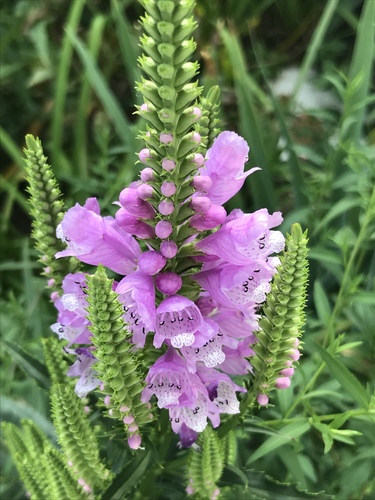
obedient plant
Physostegia virginiana (L.) Benth.
Physostegia virginiana is a rhizomatous herbaceous perennial often grown in gardens for its late-season pink snapdragon-like flowers.
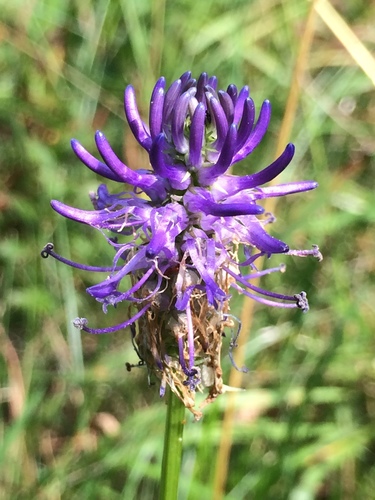
Betony-leaved Rampion
Phyteuma betonicifolium Vill.
Phyteuma betonicifolium is a herbaceous perennial rampion native to alpine areas of central and southeast Europe.
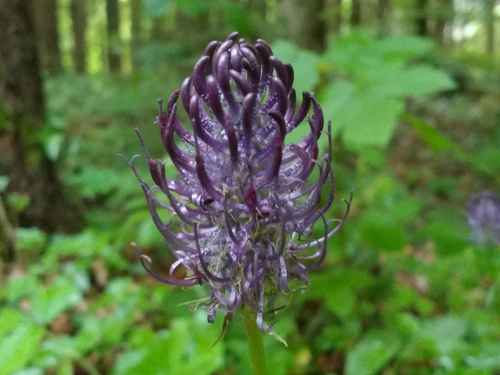
Black Rampion
Phyteuma nigrum F.W.Schmidt
Phyteuma nigrum (black rampion) is a rare perennial herb native mainly to northern Europe, pollinated primarily by bumblebees, with low fertility driven by pollen limitation from small populations.
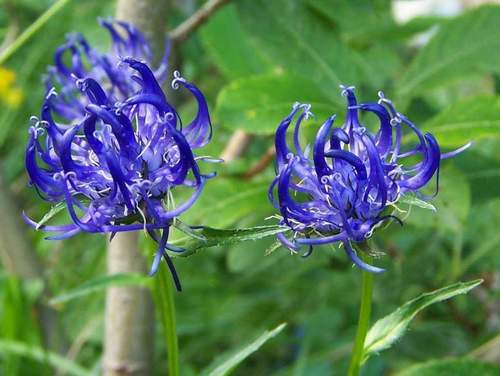
Round-headed Rampion
Phyteuma orbiculare L.
Phyteuma orbiculare is a blue-violet wildflower widespread across most of Europe that grows in grasslands and forests on calcareous soils.
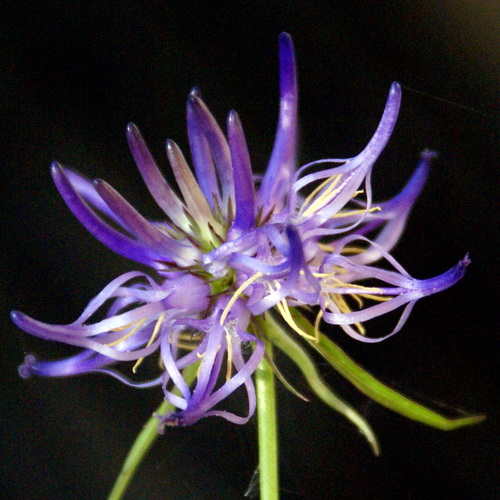
Horned Rampion
Phyteuma scheuchzeri All.
Phyteuma scheuchzeri All. is a small flowering plant found in parts of Europe, growing in rock crevices at high altitudes.

Spiked rampion
Phyteuma spicatum L.
Phyteuma spicatum L. is a plant species with restricted natural ranges in parts of Europe, and is listed as Vulnerable in Norway.
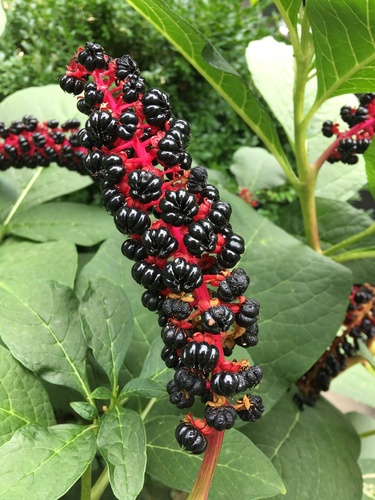
Indian Pokeweed
Phytolacca acinosa Roxb.
Phytolacca acinosa Roxb., or Indian pokeweed, is a toxic Himalayan hyperaccumulator used in wild food and traditional medicine.
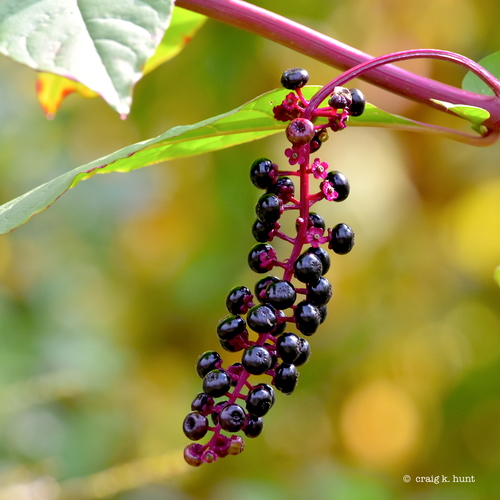
American pokeweed
Phytolacca americana L.
Phytolacca americana, common pokeweed, is a toxic North American perennial herb with uses in food, research, and dye.
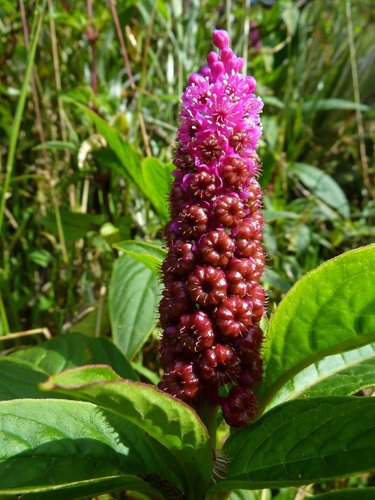
Andean Pokeweed
Phytolacca bogotensis Kunth
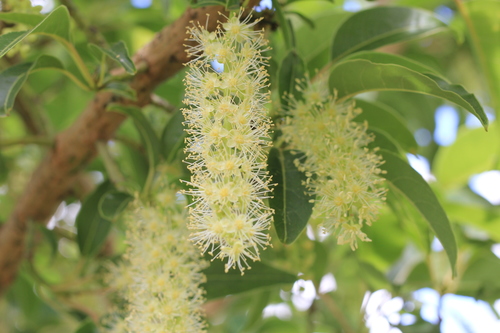
Ombu
Phytolacca dioica L.
Phytolacca dioica (ombú) is a large South American evergreen tree with soft wood, poison sap, and cultural significance, sometimes invasive.
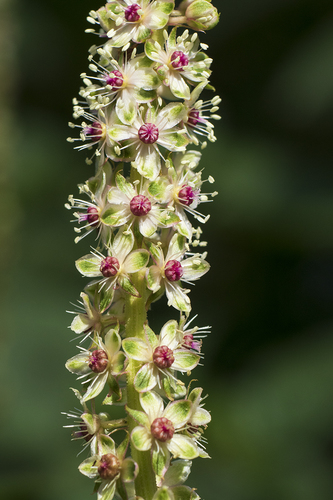
Mexican pokeweed
Phytolacca heterotepala H.Walter
Mexican pokeweed (Phytolacca heterotepala) is a Phytolaccaceae species native to northeast Mexico, introduced to California and Portugal.
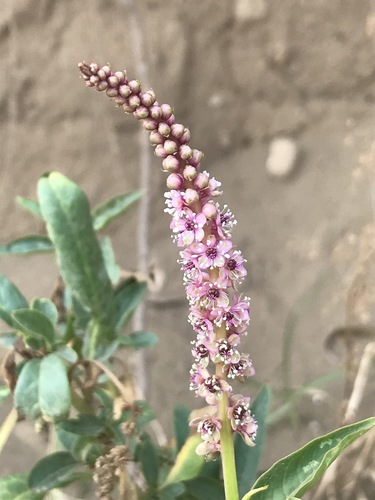
Tropical Pokeweed
Phytolacca icosandra L.
Phytolacca icosandra, also called button or tropical pokeweed, is a flowering plant native to the neotropics, introduced to warm western US.
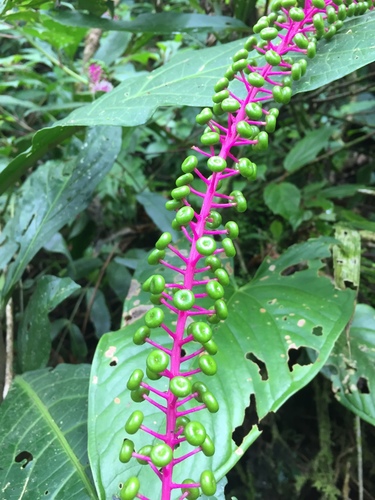
Venezuelan pokeweed
Phytolacca rivinoides Kunth & Bouché
Phytolacca rivinoides, commonly Venezuelan pokeweed, is a shrub species in the Phytolaccaceae family.
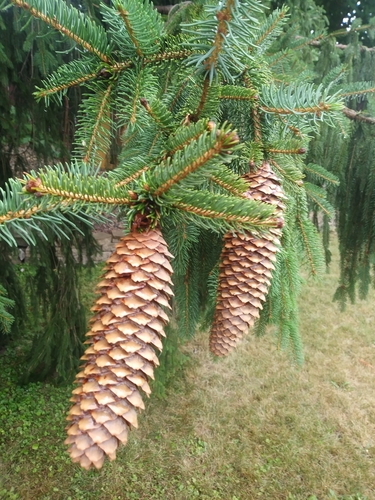
Norway spruce
Picea abies (L.) H.Karst.
Picea abies, or Norway spruce, is a large Eurasian conifer widely cultivated for timber, Christmas trees, and food uses.
Start Exploring Nature Today
Download iNature for free. 10 identifications on us. No account needed. No credit card required.
Scan with iPhone camera
Scan with Android camera


