All Species Plantae

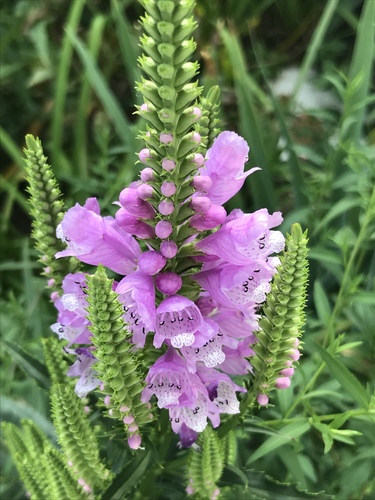
Physostegia virginiana (L.) Benth. is a plant in the Lamiaceae family, order Lamiales, kingdom Plantae. Not known to be toxic.

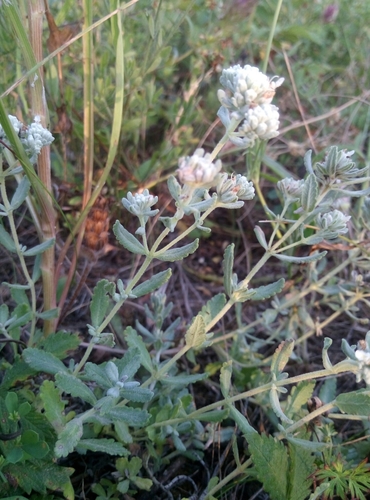
Photo of Physostegia virginiana (L.) Benth. (Physostegia virginiana (L.) Benth.)
Plantae

Physostegia virginiana (L.) Benth.

Physostegia virginiana (L.) Benth.

Physostegia virginiana is a rhizomatous herbaceous perennial often grown in gardens for its late-season pink snapdragon-like flowers.

Identify with AI — Offline
Family
Genus
Physostegia
Order
Lamiales
Class
Magnoliopsida
⚠️ Toxicity Note

Insufficient toxicity evidence; avoid direct contact and ingestion.

✦ Fun Fact

The flowers of the obedient plant form a spike-shaped inflorescence. During the flowering season, these blooming spikes sway gracefully in the wind, creating an unforgettable display.

About Physostegia virginiana (L.) Benth.

Taxon Identity and Growth Habit

Physostegia virginiana (L.) Benth. is a rhizomatous herbaceous perennial plant that forms clumps of stiff, square stems that grow 2 to 4 feet (0.61 to 1.22 meters) tall.

Leaf Characteristics

Its leaves are lanceolate in shape and have toothed edges.

Inflorescence and Flower Features

The inflorescence is a long, dense raceme that holds many tubular pink flowers, which resemble snapdragons.

Fruit and Seed Characteristics

Its open fruit is vase-shaped, and contains four triangular black seeds.

Ornamental Value

In cultivation, it is valued as a good plant for adding late-season flowers to a garden.

Soil Response and Support Needs

Growing it in fertile soil results in robust growth and wide spreading, so the plant may need to be staked.

Growth Habit Management

Tall growth gives the plant a "tendency toward floppiness", which can be managed with pruning.

Invasive Growth Potential

This species can grow aggressively and come to dominate a landscape.
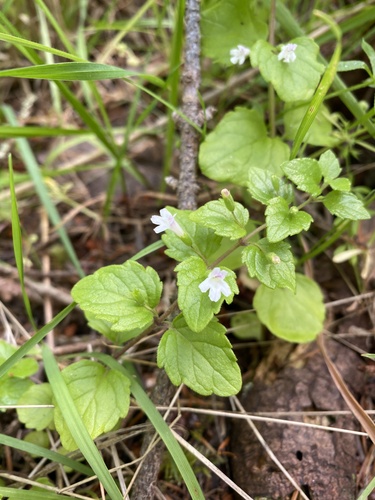
Photo: (c) benwadejones, some rights reserved (CC BY-NC), uploaded by benwadejones · cc-by-nc

Taxonomy

Plantae Tracheophyta Magnoliopsida Lamiales Lamiaceae Physostegia

More from Lamiaceae

Sources: GBIF, iNaturalist, Wikipedia, NCBI Taxonomy · Disclaimer

Start Exploring Nature Today

Download iNature for free. 10 identifications on us. No account needed. No credit card required.

App Store
Scan to download from App Store

Scan with iPhone camera

Google Play
Scan to download from Google Play

Scan with Android camera