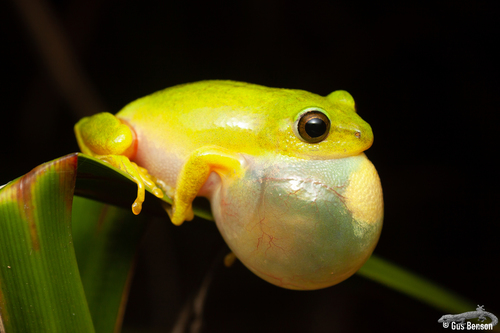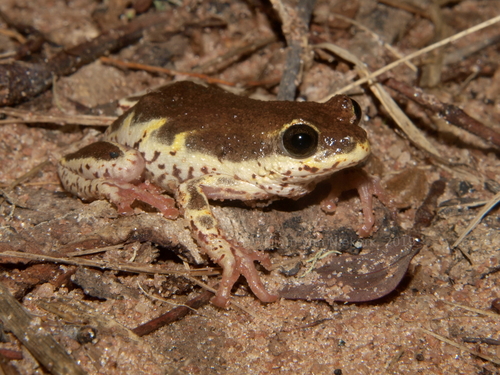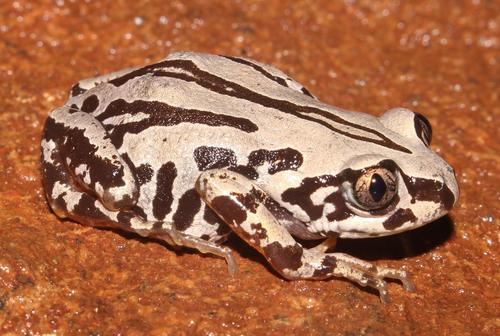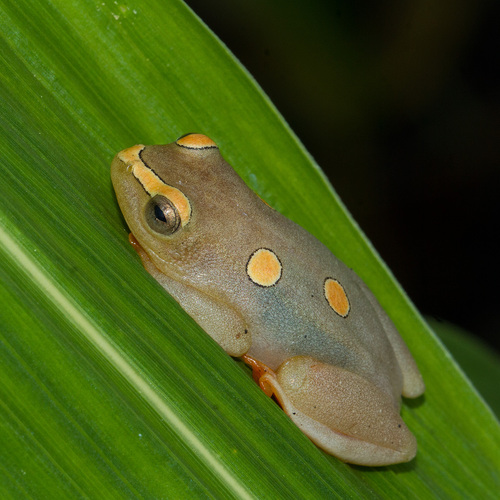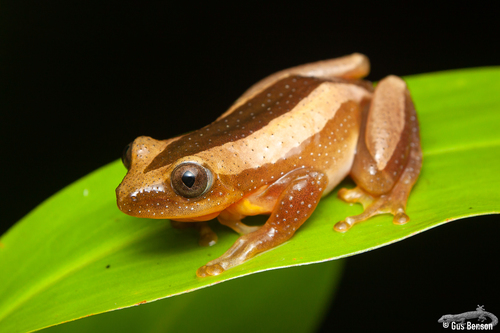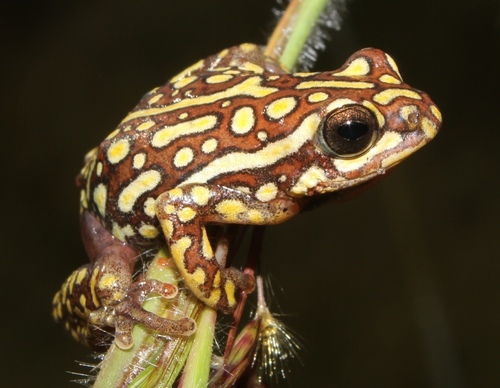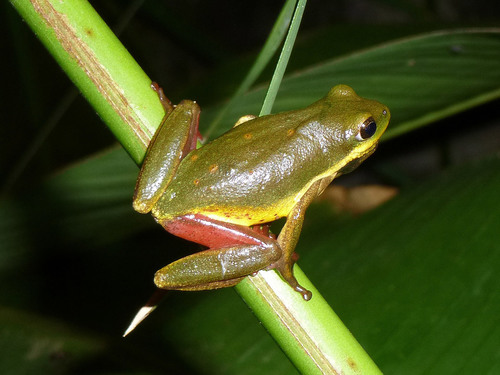
About Hyperolius viridiflavus (Duméril & Bibron, 1841)
Taxonomy and Naming
The common reed frog, scientifically named Hyperolius viridiflavus, is a species of tree frog in the family Hyperoliidae.
Confirmed Distribution
It has been confirmed to occur in Burundi, the Democratic Republic of the Congo, Ethiopia, Kenya, Rwanda, Sudan, Tanzania, and Uganda, and may also be present in the Central African Republic, Chad, and Eritrea.
Natural Habitats
Its natural habitats cover a wide range: subtropical or tropical dry forest, subtropical or tropical moist lowland forest, subtropical or tropical moist montane forest, dry savanna, moist savanna, subtropical or tropical dry shrubland, subtropical or tropical moist shrubland, subtropical or tropical seasonally wet or flooded lowland grassland, subtropical or tropical high-altitude grassland, rivers, swamps, freshwater lakes, intermittent freshwater lakes, freshwater marshes, intermittent freshwater marshes, freshwater springs, arable land, pastureland, rural gardens, urban areas, heavily degraded former forests, water storage areas, ponds, irrigated land, seasonally flooded agricultural land, and canals and ditches.
Dry Season Survival Adaptation
This species is especially adept at conserving moisture to survive long dry periods during the extended dry seasons in West Africa.
Moisture Conservation Mechanisms
It achieves this through a combination of anuria and increased water intake ability. When water is unavailable, it can use fluid stored in its bladder, and its increased uptake capacity lets it replenish these stores quickly when water becomes available again.
Potential Sex Change Observation
Some evidence indicates that West African common reed frogs may change sex from female to male after successfully breeding.
Sequential Hermaphroditism Definition
Adult animals that switch sex are called sequential hermaphrodites, as they have gonads of only one sex at different points of their lives. This differs from simultaneous hermaphrodites, which have both types of gonads at the same time.
Scientific Status of Hermaphroditism Claim
However, this recorded case of sequential hermaphroditism in common reed frogs only occurred once, in a captive colony, and sequential hermaphroditism in amphibians is not generally accepted by the scientific community.
Cultural Misconception
Even though there is no widespread evidence of hermaphroditism in this species, the film Jurassic Park has led many people to believe that frogs are commonly sequential hermaphrodites.