About Hygrophila polysperma (Roxb.) T.Anderson
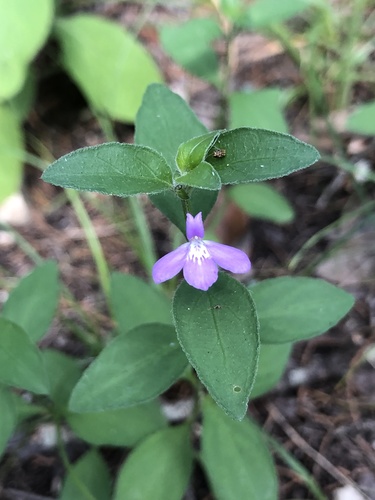
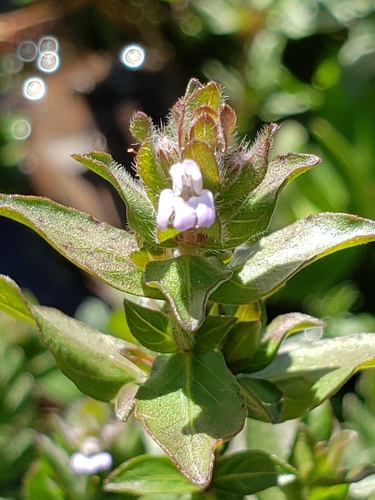
Hygrophila polysperma, commonly known as dwarf hygrophila, dwarf hygro, Miramar weed, Indian swampweed, or Indian waterweed, is an aquatic plant belonging to the family Acanthaceae. It is native to Bangladesh, India, China, and Malaysia, and has been introduced to the U.S. states of Florida, Texas, and possibly Virginia. In the United States, it is included on the Federal Noxious Weed List, and it is illegal to import and sell in multiple states, including Kansas and South Carolina. Indian waterweed first entered the aquarium trade in 1945 sold under the name "oriental ludwigia". It is easy to grow, making it a very popular plant for tropical aquariums. It grows even faster under good light and in nutrient-rich water or substrate, and it benefits from additional CO2. It may require regular pruning, and it is propagated from cuttings; an isolated leaf will often root on its own. Due to its ease of growth and reproduction, Hygrophila polysperma is easily obtained in the aquarium trade. It tolerates most water parameters. For aquascaping, it is often placed toward the back of the aquarium in a large group of stems. Some aquarists avoid adding Hygrophila polysperma to their tanks because it can grow very quickly out of control, taking light and nutrients away from other plants. When leaves grow closer to a light source, they turn a pink or orange shade. Many people find that this plant produces too many new shoots and eventually becomes a nuisance, but it works well for quickly filling in a planted aquarium, and its new shoots can grow into new plants in just a few days.