About Horornis diphone (Kittlitz, 1830)
Taxonomy and Naming
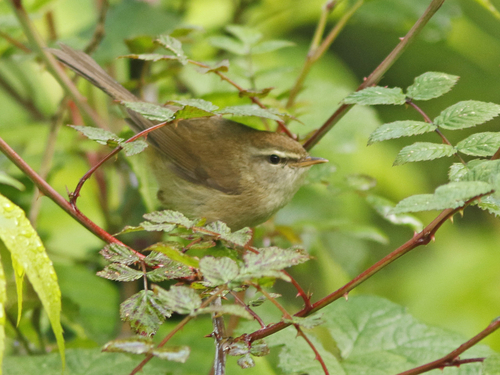
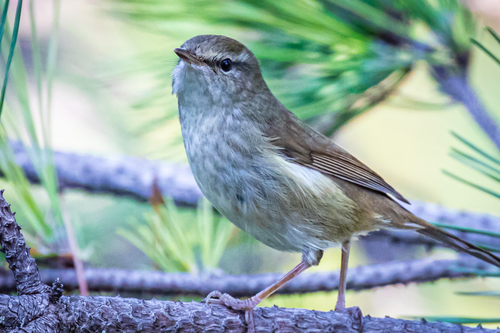
The Japanese bush warbler, scientifically known as Horornis diphone (Kittlitz, 1830), has an olive brown back and upper body, with darker dusky-toned underparts.
Head and Beak Features
It has pale eyebrows, and an upward-curving beak that gives it the appearance of smiling.
Adult Body Length
Adults of the species are typically 15.5 centimeters (6.1 inches) long.
Year-Round Resident Range
This warbler is a common year-round resident across most of Japan, except Hokkaidō, and in the northern Philippines.
Breeding Season Range
During the summer breeding season, it can also be found in Hokkaidō, Manchuria, Korea, and central China.
Winter Non-Breeding Range
In winter, it additionally occurs in southern China and Taiwan.
Introduced Population Range
It was intentionally introduced to the island of Oahu between 1929 and 1941, and has since spread across all of the main Hawaiian Islands.
Summer Habitat Preferences
In summer, the Japanese bush warbler occupies areas from low hills up to high mountains, and strongly prefers habitats with bamboo thickets and black pine trees.
Winter Habitat Preferences
In winter, it looks for sheltered habitat at lower elevations.