About Hippolais icterina (Vieillot, 1817)
Physical Build
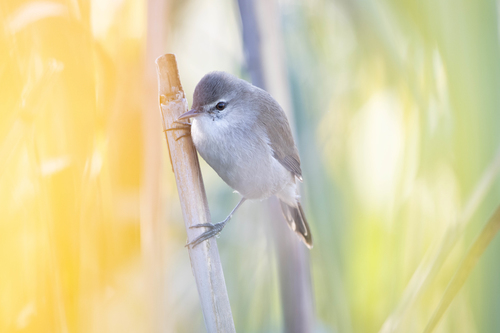
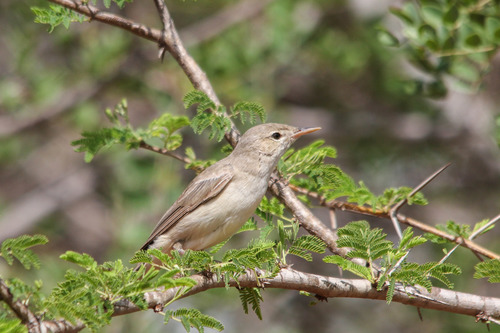
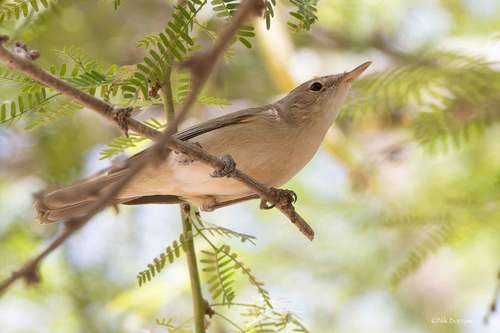
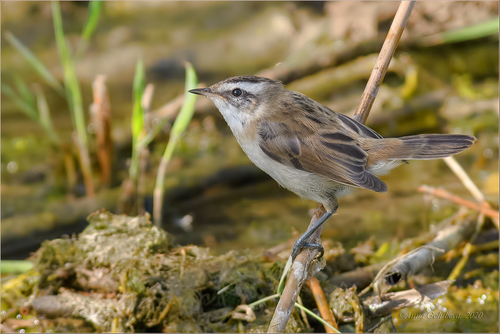
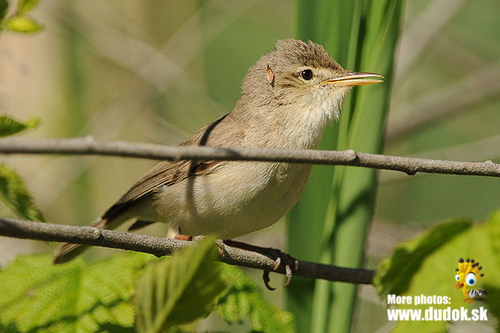
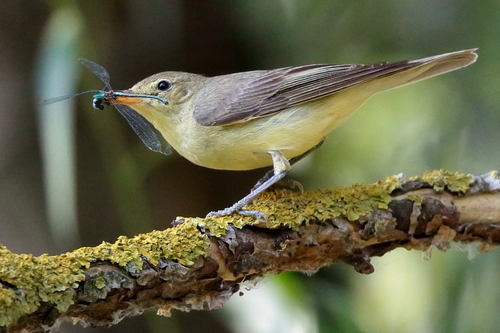
This is a fairly large warbler species with a large head, a broad-based bill, long wings, and a fairly short, square-ended tail.
Body Coloration
Its upperparts are greyish-green, and its underparts are uniformly light yellow.
Head Markings
It has pale lores, a rather vague yellowish supercilium, and a pale eye ring.
Additional Distinguishing Features
Additional distinguishing features include a panel on the folded wings, formed by pale edges on the secondary and tertiary feathers, and grey, sometimes bluish legs.
Primary Habitat Preference
The icterine warbler occupies woodland habitats rather than dense closed forest, and it prefers woodland edges or glades.
Tree Preference
It favors the crowns of well-spaced trees with tall undergrowth, and shows a preference for broad-leafed trees, though it can also be found in conifers mixed with broad-leafed trees.
Secondary Habitats
It also occurs in copses, orchards, parks, gardens, shelterbelts, and tall hedges that have scattered trees interspersed.
Genus Distribution Range
Of the four species in the genus Hippolais, the icterine warbler has the most northerly and widespread distribution.
Breeding Range
Its breeding range extends from northern France and Norway through most of northern and eastern Europe, south as far as the northern Balkans Mountains and Crimea Mountains, then continues east as a narrowing band to the River Ob.
Great Britain and Ireland Occurrence
While it is normally a passage migrant in Great Britain and Ireland, it has recently bred in Scotland.
Alaska Sightings
A sighting of the icterine warbler was recorded in Gambell, Alaska in 2022, and the species was also documented in the state the following year.
Wintering Range
It is a fully migratory species, and the entire population winters in sub-Saharan Africa, mainly south of the equator.
Migration Timing
It begins its southward migration in late July, with migration peaking in early August, and returns to its breeding range in late May.