About Heterandria formosa Girard, 1859
Taxonomic Introduction
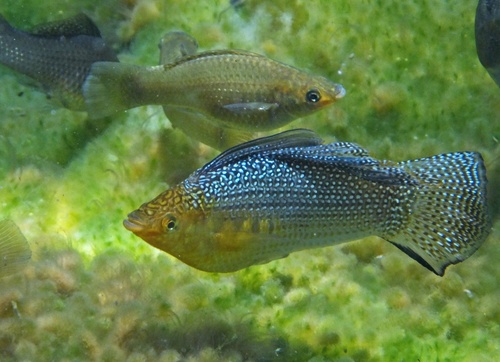
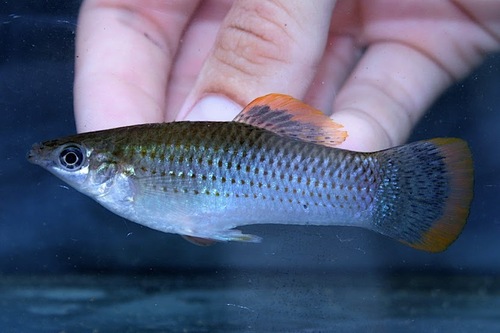
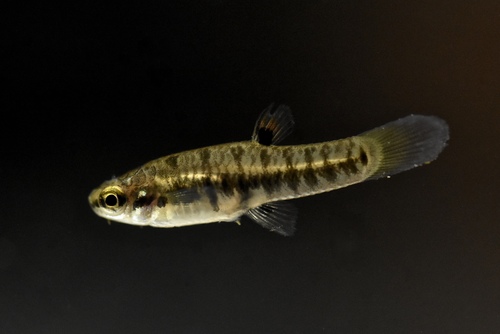
Heterandria formosa Girard, 1859 is one of the smallest fish and smallest vertebrates documented by science.
Size
Males reach a maximum length of around 2 centimeters (0.8 inches), and females grow slightly larger, reaching around 3 centimeters (1.2 inches).
Body Coloration
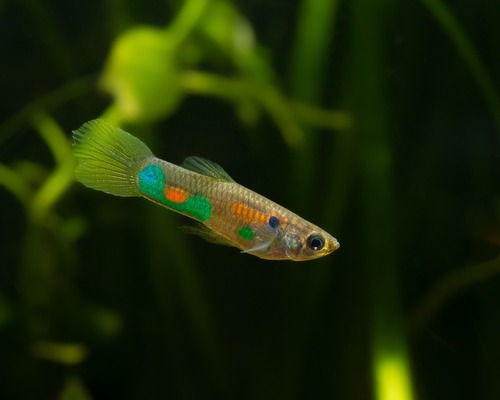
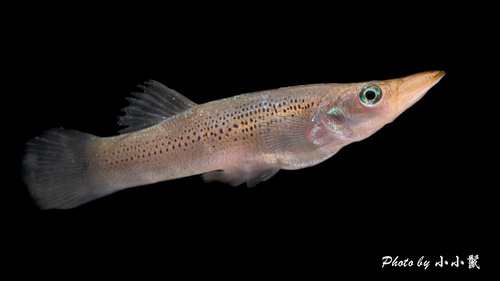
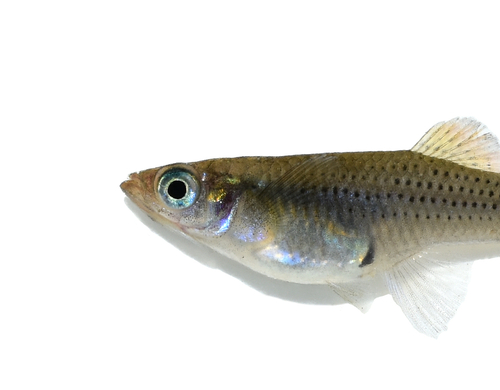
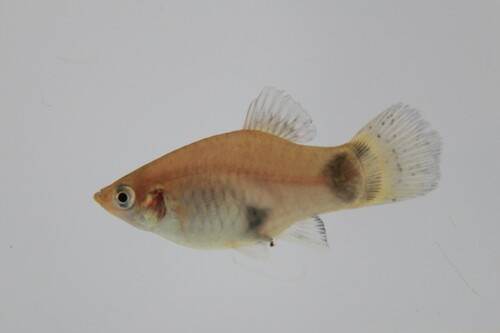
This fish is typically olive in overall body color, with a dark horizontal stripe running through the center of its body.
Fin Markings
It also has a dark spot on the dorsal fin, and females have an additional dark spot on their anal fin.
Male Reproductive Morphology
Like most poeciliids, the anal fin of males is modified into a gonopodium, an intromittent organ used to deliver sperm and impregnate females during mating.
Genus Distribution in United States
Heterandria formosa is the only member of its genus Heterandria that occurs in the United States.
Native Range
Its native geographic range covers the southeastern United States, extending from North Carolina south through Georgia and Florida, and west across the Florida Gulf Coast to Louisiana.
Introduced Range in Texas
In recent years, this species has also been collected in eastern Texas.
Sabine River Basin Records
According to the North American Native Fishes (NANFA), it is recorded in the western part of the Sabine River basin.
Hurricane Harvey Dispersal Records
It has also been collected as far west as Humble, TX, in small sand pit ponds after the 2017 floods brought by Hurricane Harvey.
Aquarium Status
It is one of the few aquarium fish species that is endemic to North America.
Habitat
Heterandria formosa primarily lives in vegetated, slow-moving or standing freshwater habitats, though this species can also be found in brackish waters.