About Hedera nepalensis K.Koch
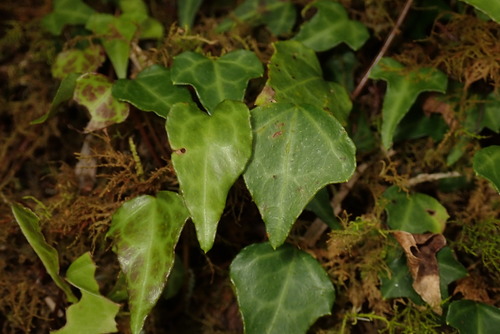
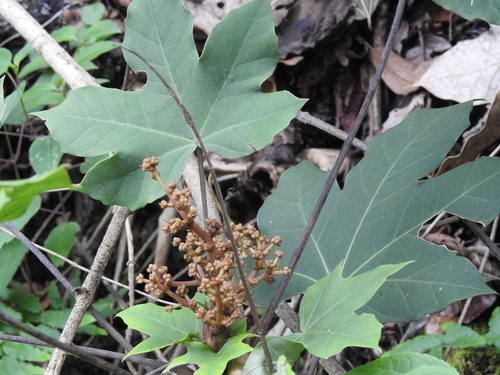
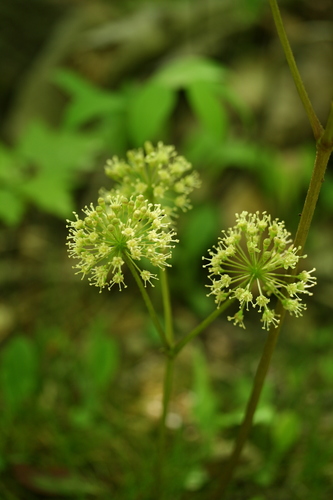
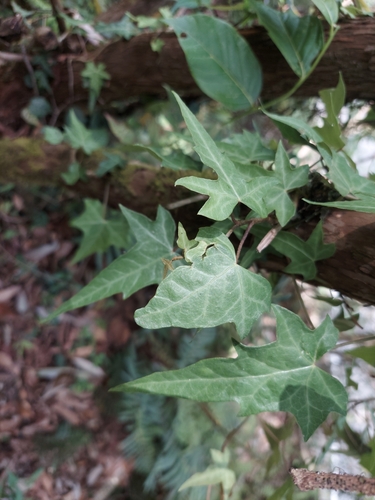
Morphology: The stem of Hedera nepalensis K.Koch is creeping or climbing, reaching up to 30 meters in height, and grows adventitious roots. This ivy is evergreen, with dark green, glossy, glabrous, leathery foliage that is lighter in color on its underside. Leaves can be lanceolate, oval, or lobed, with usually 3 odd, triangular lobes; the leaf base is wedge-shaped or heart-shaped, and the leaf tip is slightly pointed or blunt. Flowers are bisexual, small, and 5-parted, arranged in ovate panicles. Flower stalks, which measure 7–12 mm in length, and the inflorescence are hairy. The calyx has entire margins and is persistent. Petals are yellow. There are 5 stamens, with anthers 1–2 mm long. The style is short and single. The fruit is a drupe, flattened, 5–7 mm long and 5–10 mm wide, and colored orange to red. Ecology: This species flowers from October to April. All parts of the plant are toxic, as they contain saponins such as hederin. These saponins irritate the skin and conjunctiva of the eyes; ingestion causes gastrointestinal and nervous system disturbances, and may lead to hemolysis of red blood cells. Hedera nepalensis K.Koch mostly grows in moist soil in shaded areas at elevations of 1000–3000 m, climbing over rocks and tree trunks using its adventitious roots. It is rarely used as a ground cover or decorative climber in gardens and parks. It has high frost resistance, tolerating conditions down to USDA hardiness zone 8. Two varieties or subspecies are recognized: Hedera nepalensis var. nepalensis, and Hedera nepalensis K. Koch var. sinensis (Tobler) Rehder, which occurs in China.