About Gynura bicolor (Roxb. ex Willd.) DC.
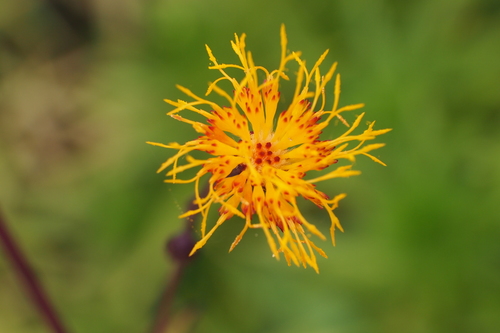
Gynura bicolor, called hongfeng cai in Chinese, suizenjina in Japanese, and also known as Okinawan spinach or edible gynura, is a species in the chrysanthemum family (Asteraceae). It is native to China, Thailand, and Myanmar, and is cultivated in many other regions as both a vegetable and a medicinal herb. There are two distinct cultivated types: one has green leaves on both sides, while the other has green upper leaf surfaces and purple undersides. Both types are recognized as medicinal vegetables. Gynura bicolor is a perennial plant, so it is available for sale year-round, but winter and spring are the optimal seasons for harvesting and using the plant.
Toxicity research on Gynura bicolor found that pyrrolizidine alkaloids, compounds toxic to the human liver, are present in tested samples collected from five regions in China. No significant genotoxic effects were detected in these tests. Only samples from one region, Jiangsu, showed weak cytotoxicity at a concentration of 100mg/ml, which indicates that some caution should be taken when consuming the plant. A separate study found that Gynura bicolor generally has a negligible level of toxicity when taken orally, and was labeled safe for consumption in experimental rat trials. The plant was not cytotoxic to tested normal cell lines, which confirmed the safety of G. bicolor for consumption. This same study also found the plant has potential chemopreventive properties. Experts have advised controlled consumption of the plant to prevent any potential harmful effects from its generally low levels of pyrrolizidine alkaloids.
Gynura bicolor contains high levels of vitamin C, crude protein, iron, carotenoids, calcium, and essential amino acids, and is a particularly rich source of anthocyanins. In traditional Chinese food practice, Gynura bicolor is classified as a 'cool' food, so its leaves are typically stir-fried with sesame oil and ginger, both classified as 'hotter' foods, to achieve dietary balance. The stems and roots of the plant can also be prepared as a tea. When selecting Gynura bicolor for use, it is recommended to choose leaves with few bruises and no black stains. In Japan, Gynura bicolor is eaten as a local vegetable in Ishikawa, Kumamoto, and Okinawa, where it is prepared in multiple ways: lightly blanched and served with ponzu, added as an ingredient to miso soup, or fried as tempura. The roots of the plant have been used for consumption by aviation crews because they are rich in Vitamin K. This Vitamin K content is applied to address bone decay in astronauts, as it increases calcium absorption. It can also help relieve discomfort for female astronauts during menstruation.