About Gehyra oceanica (Lesson, 1830)
Species Nomenclature
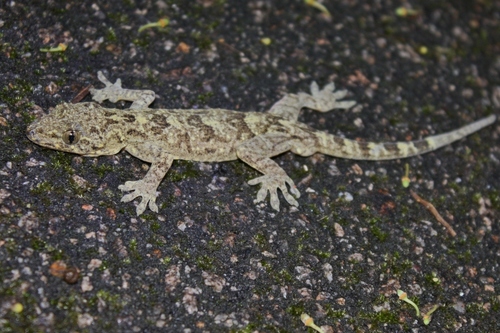
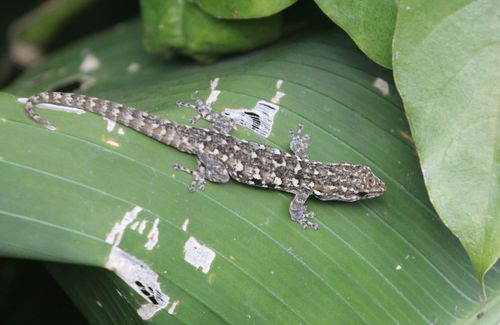
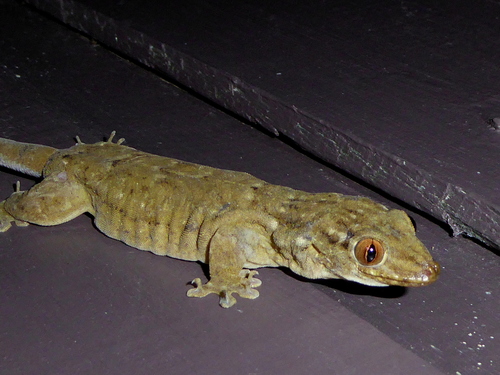
Gehyra oceanica, commonly called the Oceania gecko or Pacific dtella, is a gecko species belonging to the genus Gehyra. The larger Gehyra vorax, or voracious gecko, found in Fiji, Vanuatu and New Guinea was occasionally grouped with this species in the past, but is currently recognized as a separate species.
Native Distribution
This species is native to New Guinea and multiple islands across Melanesia, Micronesia, and Polynesia. It has also been widely introduced to Pacific islands, reaching as far east as the Marquesas Islands in Polynesia, which is where the species was first collected for scientific study.
Introduction Debate
However, there is ongoing debate over the full extent of human-assisted introduction of this species.
Recognized Populations
Two distinct populations are recognized: a northern population located in Micronesia, and a southern population located in Melanesia and Polynesia.
Non-Established Sightings
While there are recorded sightings of the species in New Zealand and Hawaii, it does not appear to have established persistent wild populations there.
Activity Pattern
This species is typically arboreal and nocturnal.
Diet
Its diet consists of insects and even smaller geckos. Fruit seeds have also been found in the stomach contents of some individuals.
Reproduction Mode
This species reproduces sexually. Unlike some other geckos in the genus Gehyra, its eggs are non-adhesive.
Egg Laying and Nests
Females lay only two eggs at a time, and individuals share communal nests that each hold no more than twelve eggs. The eggs of this species have a long incubation period, which can last up to 115 days.
Habitat Range
It can live in a wide variety of habitats, including plantations, gardens, and both disturbed and undisturbed forests.
Human Association
It will forage inside human buildings, but it is not classified as a commensal species.