About Gambusia holbrooki Girard, 1859
Species Name and Basic Appearance
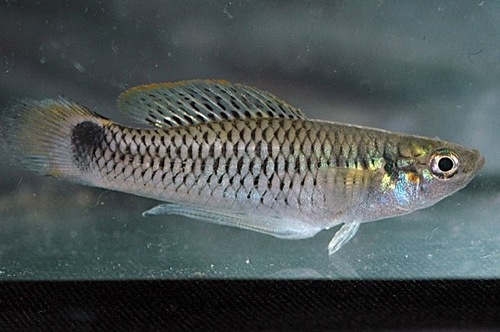
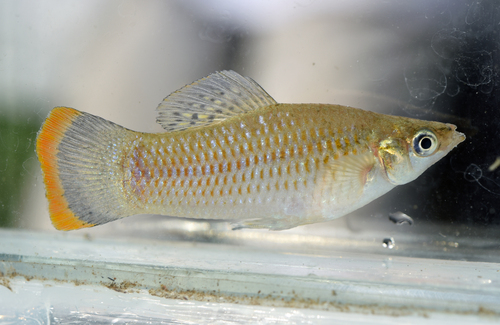
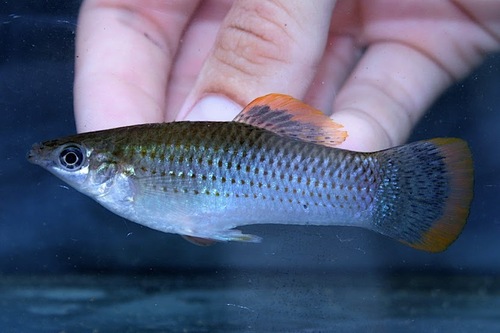
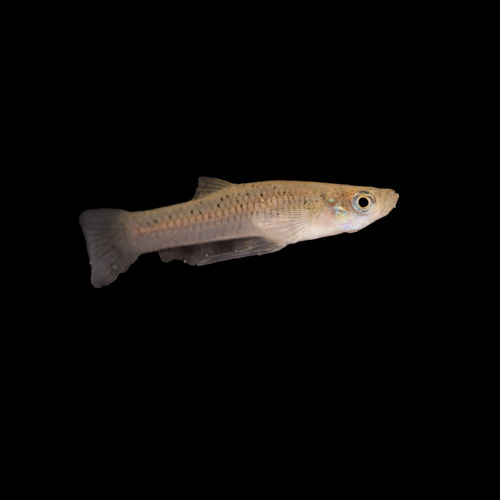
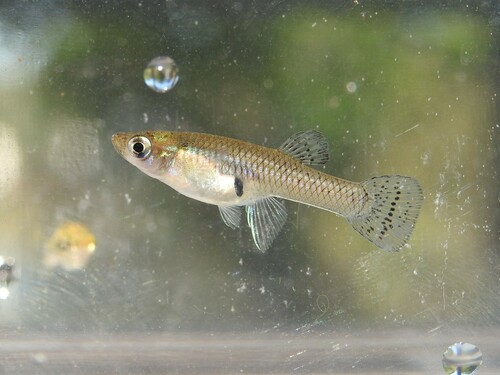
Eastern mosquitofish (Gambusia holbrooki Girard, 1859) are small, light-colored fish with semitransparent fins. Females usually have a black stripe near the eye area, and both sexes have light spots on their caudal and dorsal fins.
Similar Species Confusion
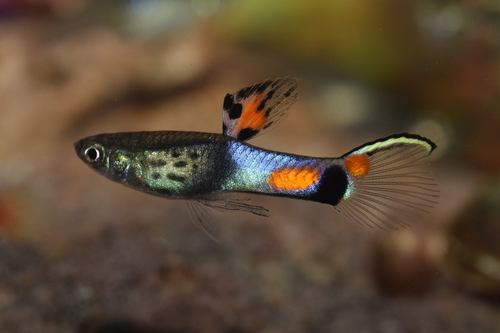
It can easily be mistaken for a guppy due to similar size, shape, and reproductive habits.
Standard Body Length
On average, males grow to 1.5 inches (3.8 cm) long, while females reach 2.5 inches (6.4 cm).
Sexual Dimorphism
This species is livebearing, so females are larger and more rounded than males. Pregnant females are easily recognized by their gravid spot, a darker area on the belly where they carry developing fry.
Melanistic Color Pattern
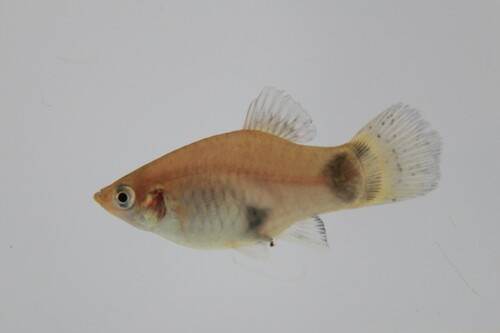
Some eastern mosquitofish have a melanistic color pattern of black spots that resembles a dalmatian coat, which can lead to misidentification as another species.
Native Distribution
Eastern mosquitofish are native to the southeastern United States.
Introduced and Invasive Range
They have been introduced around the world, and have become an invasive species in many areas including Australia and Europe.
Typical Habitat Type
They live in shallow, standing to slow-flowing water, most commonly in vegetated ponds, lakes, and sloughs.
Preferred Water Temperature
This species thrives in water between 31 °C (88 °F) and 35 °C (95 °F), and can acclimate to temperatures above and below this range.
Water Chemistry Tolerance
Gambusia holbrooki can survive in water with pH and chemical levels that are lethal to many other fish species.
Microhabitat Preference
It prefers slow-flowing, clear water without free-floating plant life, and takes shelter in rooted plants.
Population Trend
No population decrease from human activities has been observed for this species.
Conservation Classification
It has never been classified as endangered or threatened, due to its ability to thrive in its native habitat.
Range Expansion Drivers
Its range has actually expanded because of releases into new areas, and it tolerates chemical and thermal changes very easily.
Niche Shift Findings
Species distribution models show that eastern mosquitofish have undergone significant niche expansions outside their natural climatic ranges. There has been a notable shift towards tropical regions in Asia, and a distinct niche shift in European Gambusia holbrooki populations.
Ecological Flexibility Implications
These findings demonstrate the species' ecological flexibility, which contributes to its widespread success and creates substantial risk of further range expansion.
Climate Change Expansion Risk
Climate change is projected to create large new opportunities for additional expansion, especially in Europe.
Temperature Effects on Life History
Water temperature affects how long it takes eastern mosquitofish to reach reproductive maturity, as well as their adult body size.
Reproductive Mode
This species gives birth to live young rather than laying eggs.
Breeding Season Timing
Its breeding season runs from mid-spring to mid-autumn, with peak breeding occurring in summer.
Brood Production Parameters
Females can produce up to nine broods per mating season, with average brood sizes ranging from five to 100 offspring. Average brood size varies due to multiple factors including temperature, female age, and available nutrients.
Fecundity Drivers
Higher temperatures increase the species' fecundity.
Gestation Period Length
The gestation period for this species is between 22 and 25 days.
Predation Effect on Reproduction
Predation stress also affects reproduction, specifically brood size: females exposed to predators give birth to a higher number of stillborn offspring than unexposed females.