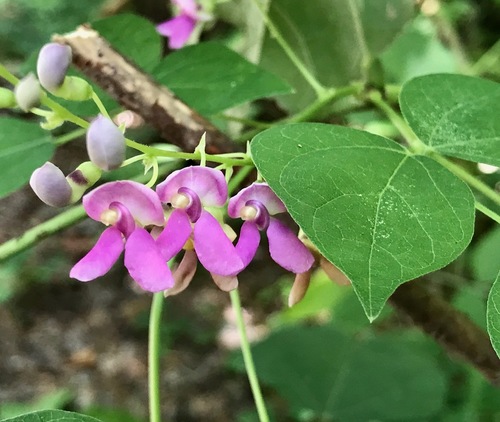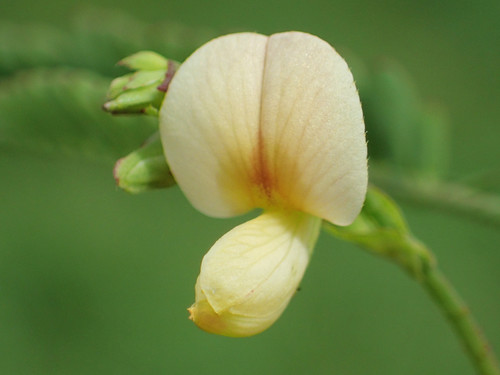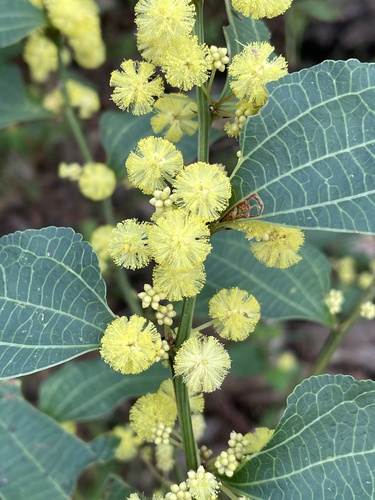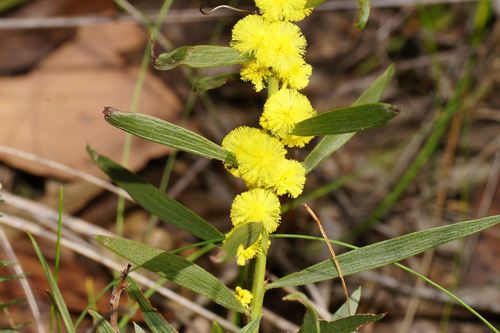
About Galega officinalis L.
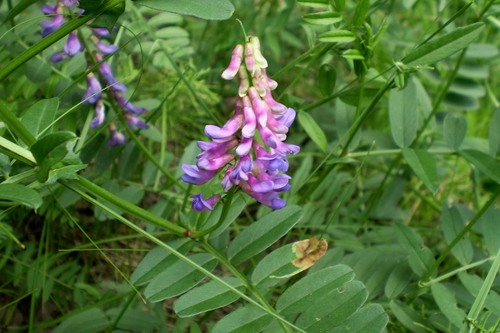
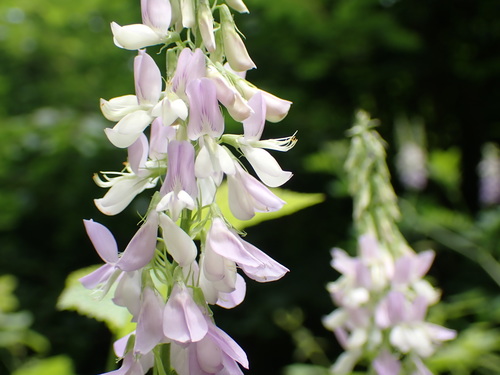
Galega officinalis, commonly called galega or goat's-rue, is a herbaceous plant in the subfamily Faboideae of the legume family Fabaceae. It is native to parts of northern Africa, western Asia, and Europe, but is widely cultivated and has become naturalized in many other regions. This species has been extensively cultivated for use as a forage crop, an ornamental garden plant, a bee plant, and green manure. G. officinalis contains high levels of galegine, a substance with blood glucose-lowering activity; galegine was the foundation for the discovery of metformin, a medication used to manage symptoms of diabetes mellitus. In ancient herbalism, goat's-rue was used as a diuretic. While it can be poisonous to mammals, it serves as a food source for various insects. This hardy perennial plant is widely distributed across temperate regions of the world, with its largest concentration in Europe. It blooms during the summer months, and grows in grasslands, wetlands, and along riverbanks. It is classified as an invasive weed in many parts of North America, and has also been recorded in South America, North Africa, Pakistan, Turkey, and New Zealand. In 1891, Galega officinalis was introduced experimentally at Utah State University in the United States, to evaluate its potential as a forage crop. It escaped cultivation, and is now considered an agricultural pest in the country. As a result, it has been added to the United States Federal Noxious Weed List. Populations of this plant were recorded in Colorado, Connecticut, and New York before the 1930s, and in Maine and Pennsylvania during the 1960s, but these populations are now thought to have died out. Goat's rue may interfere with prescribed diabetes medications, iron absorption, and anticoagulants. It may also trigger side effects such as headache or muscular weakness, and its safety during pregnancy and breastfeeding has not been established.