About Fatsia japonica (Thunb.) Decne. & Planch.
Taxonomy and Growth Habit
This species, Fatsia japonica (Thunb.) Decne. & Planch., is an evergreen shrub that reaches 1–5 m (3 ft 3 in – 16 ft 5 in) in height, and has stout, sparsely branched stems.
Leaf Arrangement and Dimensions
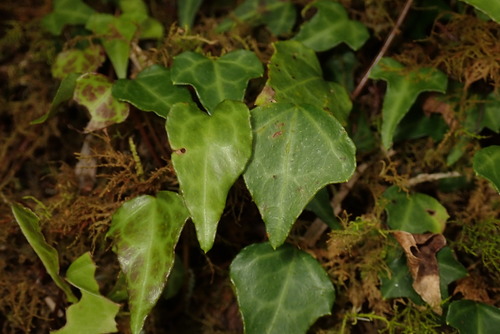
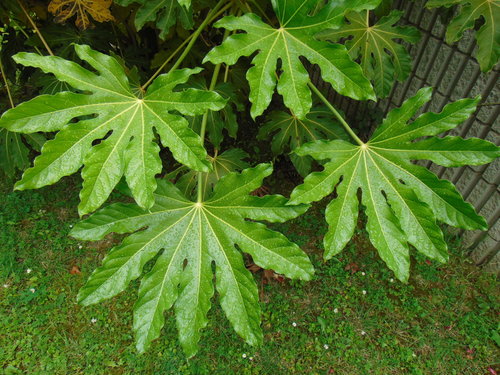
Its leaves are spirally arranged, large, and leathery, measuring 20–40 cm (7.9–15.7 in) wide, and grow on petioles up to 50 cm (20 in) long.
Leaf Lobing and Margin
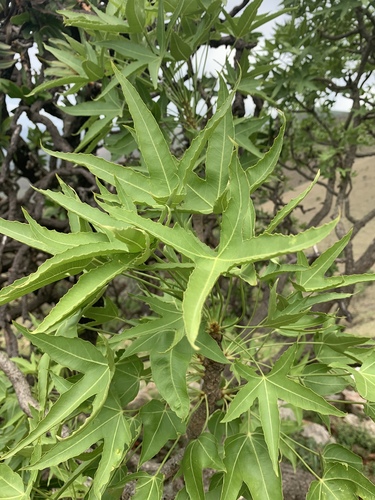
The leaves are palmately lobed, with 7–9 broad lobes divided halfway to two-thirds of the way to the leaf base, and the lobes have edges lined with coarse, blunt teeth.
Flower and Fruit Characteristics
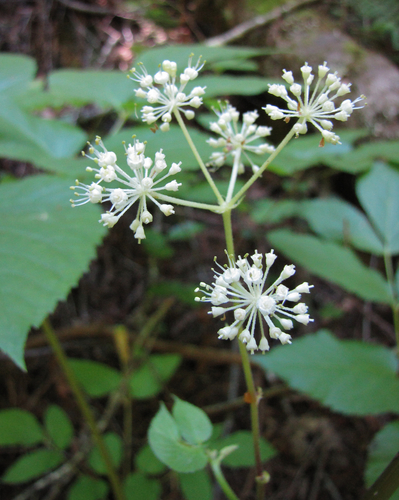
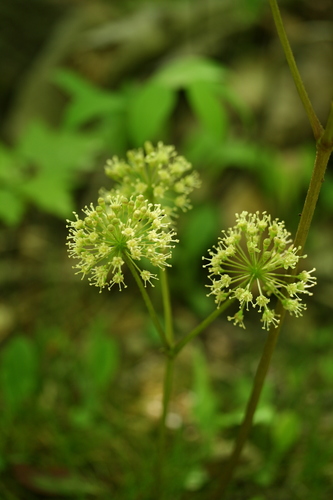
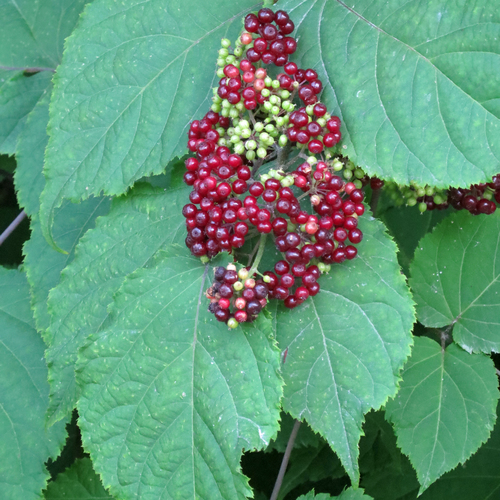
It produces small white flowers carried in dense terminal compound umbels in late autumn or early winter, and these are followed by small black fruit in spring.
Ornamental Cultivation Range
It is commonly grown as an ornamental plant in warm temperate regions where winter temperatures do not drop below roughly −15 °C (5 °F).
Light Requirements and Hardiness
Fatsia japonica grows well in semi-shade to full-shade, and is winter hardy in USDA Zones 8–10.
Indoor Cultivation Benefits
It can be cultivated as an indoor plant, and studies have shown it effectively removes gaseous formaldehyde from indoor air.
Horticultural Awards
The standard species and its cultivar F. japonica 'Variegata' have both received the Royal Horticultural Society's Award of Garden Merit.
'Spider's Web' Cultivar Identity
'Spider's Web' (alternatively called 'Spider White') is a rare variegated-leaf ornamental cultivar.
'Spider's Web' Growth Rate and Size
It grows slower than the original species, and reaches a lower maximum mature height of 2.5 m (8.2 ft).
'Spider's Web' Leaf Variegation
Its dark-green leaves have heavy white flecking, most prominent along the edges, though white variegation may occasionally spread across the entire leaf.
Variegation Variability
Variegation can change with the seasons and as the plant ages.
'Spider's Web' Flower and Fruit
It produces terminal clusters of white flowers in autumn, followed by black berries.