Formicidae
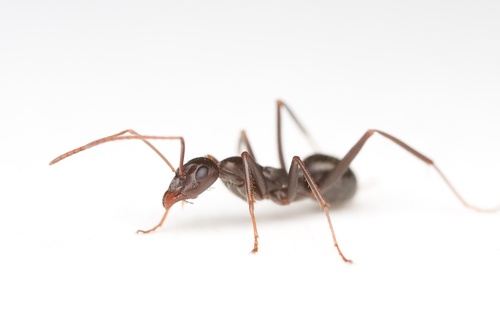
Formica archboldi Smith, 1944
Formica archboldi Smith, 1944
Formica archboldi is a formicid ant species known for collecting and storing trap-jaw ant skulls in their nests.
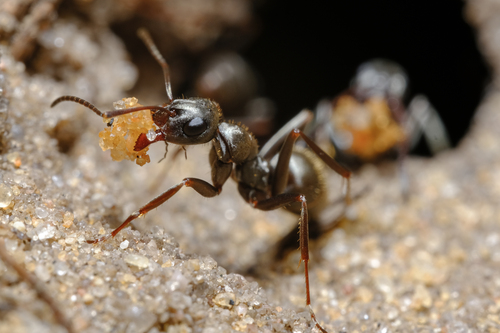
Formica cinerea Mayr, 1853
Formica cinerea Mayr, 1853
Formica cinerea is an ant species found across most of Europe and adjacent regions, living in sunny dry sandy habitats.
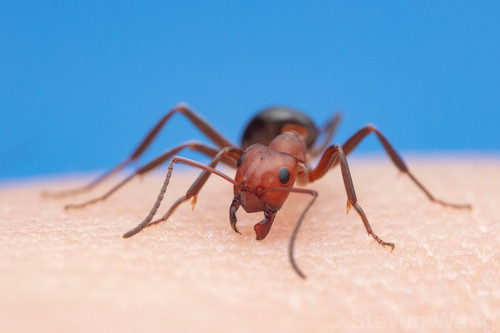
Formica exsectoides Forel, 1886
Formica exsectoides Forel, 1886
Formica exsectoides, the Allegheny mound ant, is a large mound-building North American ant that kills surrounding vegetation with formic acid.
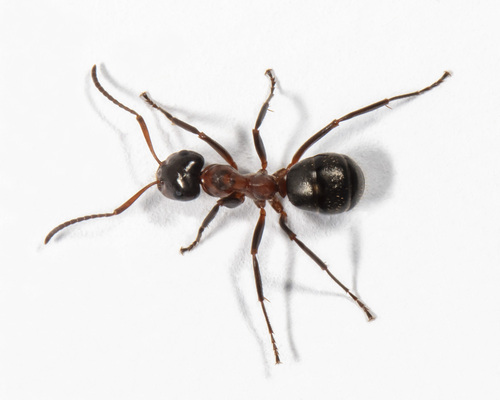
Formica ulkei Emery, 1893
Formica ulkei Emery, 1893
Formica ulkei is a Formicidae ant species described by Carlo Emery in 1893, named after collector Titus Ulke.
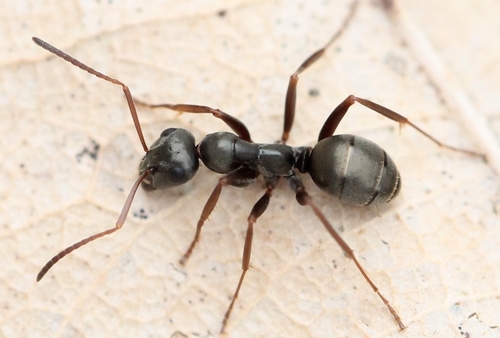
Formica fusca Linnaeus, 1758
Formica fusca Linnaeus, 1758
Formica fusca Linnaeus, 1758, the silky or dusky black ant, is widespread across the Palearctic, with distinct ecology and nesting habits.
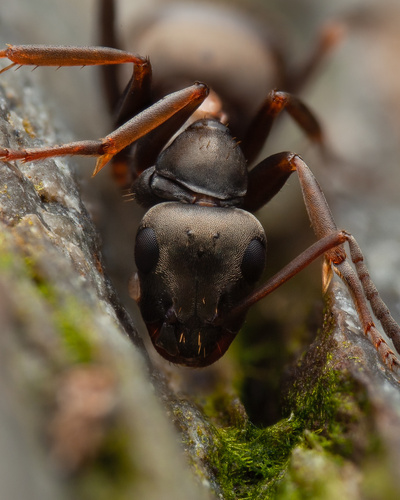
Formica lemani Bondroit, 1917
Formica lemani Bondroit, 1917
Formica lemani is a cool-adapted ant species distinct from Formica fusca, found across most of Europe and parts of Asia in northern mountain coniferous forests.

Formica subsericea Say, 1836
Formica subsericea Say, 1836
Formica subsericea, the black field ant, is an ant species found in eastern North America with specific known traits.
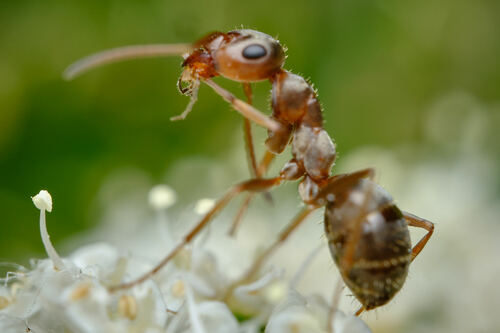
Formica montana Wheeler, 1910
Formica montana Wheeler, 1910
Formica montana, the prairie mound ant, is a polygynous ant of the Formica genus, Formicidae, with up to 20 queens per colony.
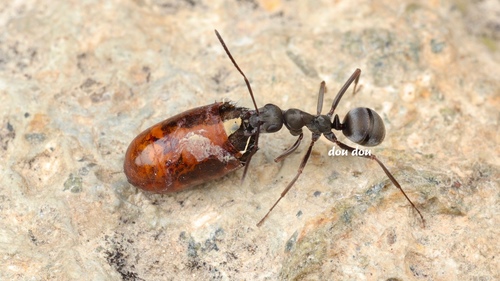
Formica japonica Motschoulsky, 1866
Formica japonica Motschoulsky, 1866
Formica japonica Motschoulsky, 1866 is a common Formica ant species native to Japan and found across parts of East Asia.
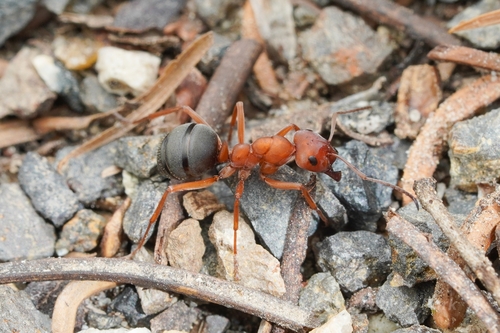
Formica integroides Wheeler, 1913
Formica integroides Wheeler, 1913
Formica integroides, the Vinegar Ant, is a species of ant in the Formicidae family.

Formica obscuripes Forel, 1886
Formica obscuripes Forel, 1886
Formica obscuripes, the western thatching ant, is a North American ant species in the Formicidae family that builds thatched mounds.
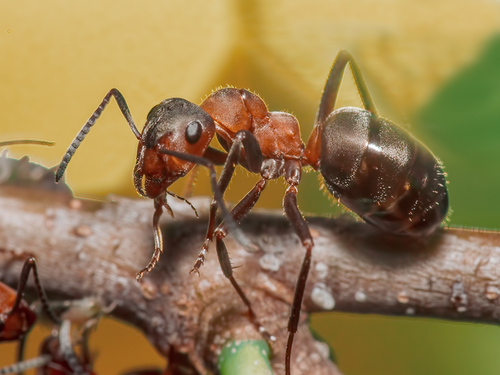
Formica rufa Linnaeus, 1761
Formica rufa Linnaeus, 1761
Formica rufa (red wood ant) is a territorial polygynous ant that uses conifer resin in nests, and has been used to make yoghurt in Bulgaria and Turkey.
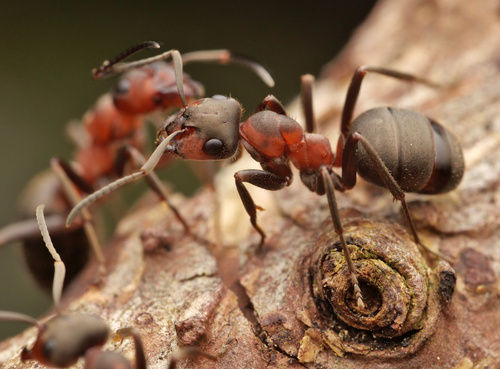
Formica lugubris Zetterstedt, 1838
Formica lugubris Zetterstedt, 1838
Formica lugubris, the hairy wood ant, is a northern Eurasian wood ant that builds large thatched mound nests in open woodland areas.
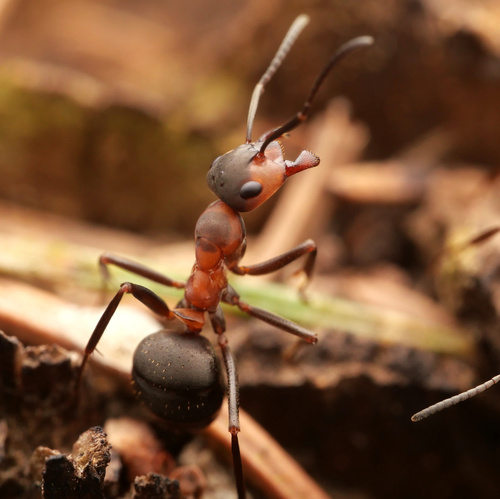
Formica polyctena Foerster, 1850
Formica polyctena Foerster, 1850
Formica polyctena is a eusocial European red wood ant first described in 1850, found across many European countries.
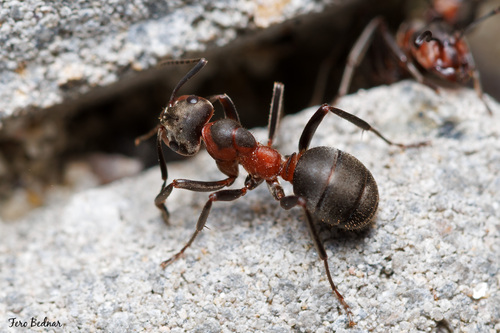
Formica pratensis Retzius, 1783
Formica pratensis Retzius, 1783
Formica pratensis is a species of wood ant with darker coloration than related wood ants, found across most of Europe and nearby regions.
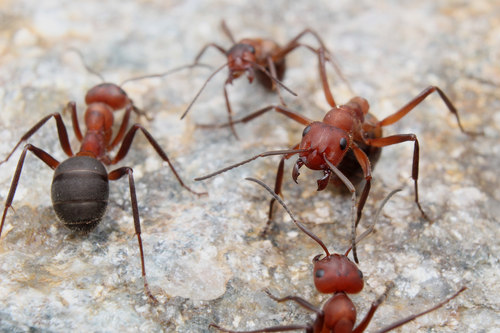
Formica truncorum Fabricius, 1804
Formica truncorum Fabricius, 1804
Formica truncorum is an ant species with distinct color traits, wide distribution, and nesting in tree stumps at woodland borders.
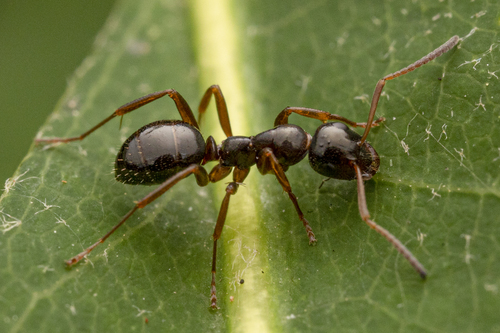
Formica neogagates Viereck, 1903
Formica neogagates Viereck, 1903
Formica neogagates is an ant species native to North America and introduced to France, Europe.
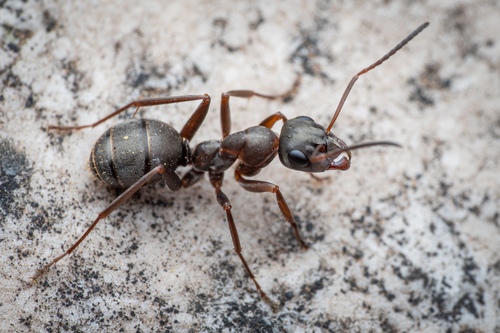
Formica cunicularia Latreille, 1798
Formica cunicularia Latreille, 1798
Formica cunicularia Latreille, 1798 is a species of ant distributed widely across Europe with distinct size and color traits for different castes.
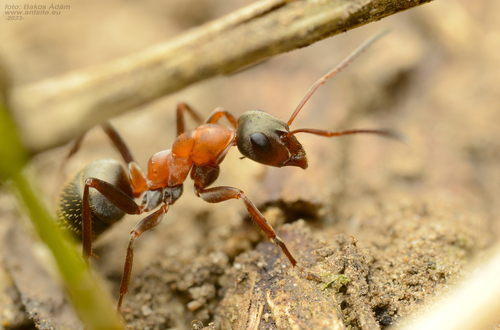
Formica rufibarbis Fabricius, 1793
Formica rufibarbis Fabricius, 1793
Formica rufibarbis, the Red-barbed Ant, is an ant species found across continental Europe to Western Siberia, with distinctive identification features and specific nesting habits.
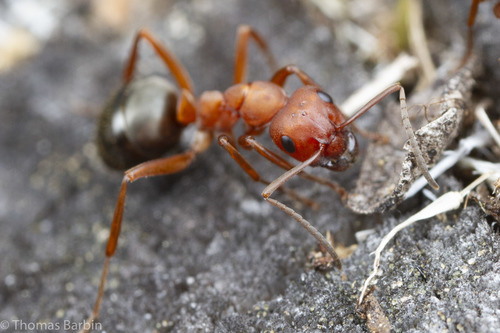
Formica aserva Forel, 1901
Formica aserva Forel, 1901
Formica aserva is a Formicidae ant species that is a social parasite of other Formica species.
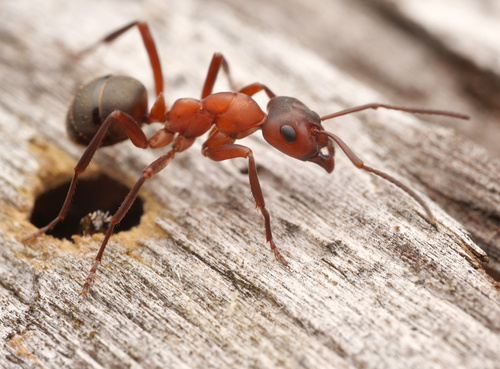
Formica sanguinea Latreille, 1798
Formica sanguinea Latreille, 1798
Formica sanguinea, the blood-red ant, is a facultative slave-maker Formica ant species that practices variable reproductive strategies for genetic diversity.
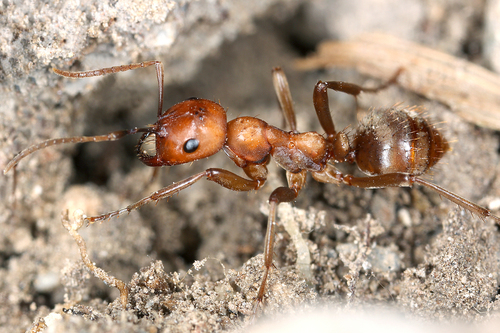
Polyergus rufescens (Latreille, 1798)
Polyergus rufescens (Latreille, 1798)
Polyergus rufescens is an ant species native to Europe and central/western Asia that raids Formica host ants.
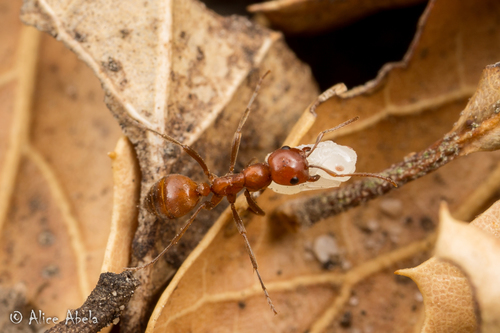
Polyergus mexicanus
Polyergus mexicanus
Polyergus mexicanus is a variable North American Formica slave-raiding ant with described physical traits and a wide distribution across North America.
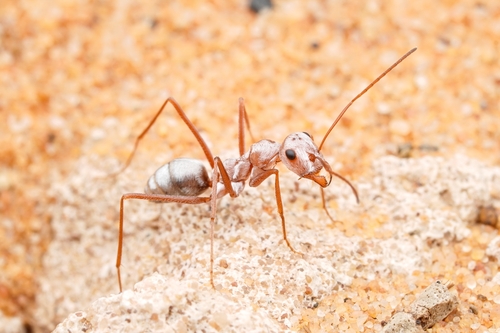
Cataglyphis bombycinus (Roger, 1859)
Cataglyphis bombycinus (Roger, 1859)
The Saharan silver ant, a heat-adapted Sahara Desert species, is the world's fastest known ant.
Related Families
Start Exploring Nature Today
Download iNature for free. 10 identifications on us. No account needed. No credit card required.
Download Free on App Store
