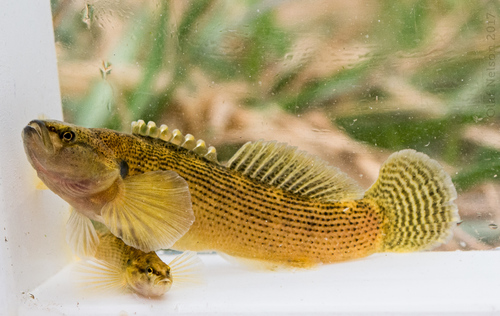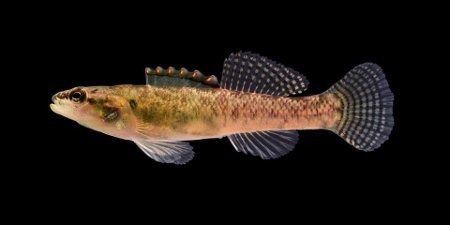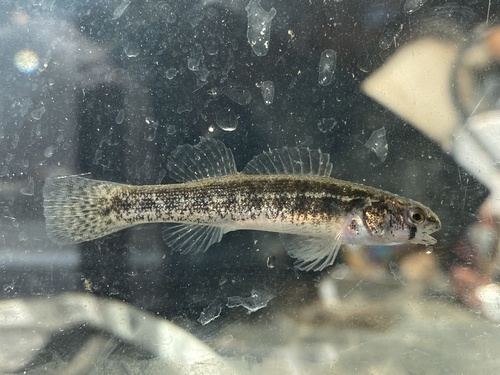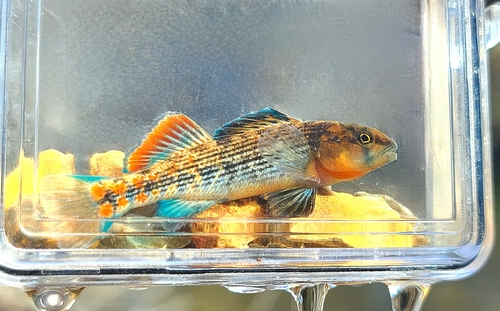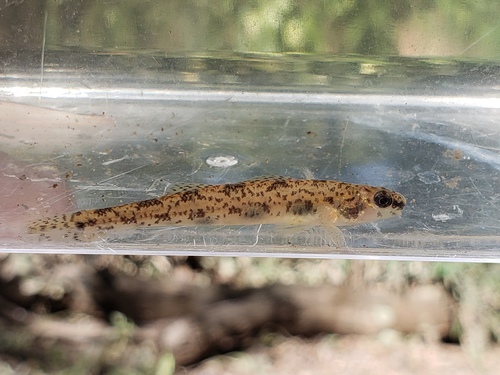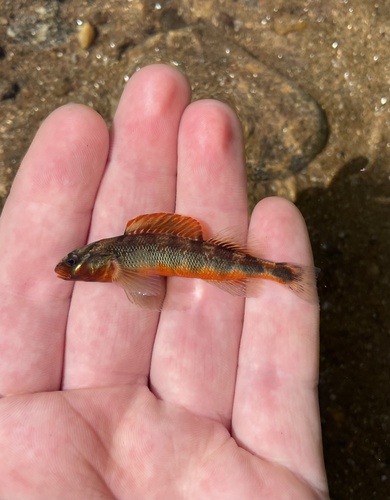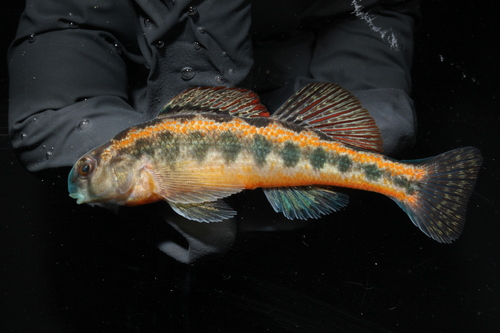
About Etheostoma simoterum (Cope, 1868)
Taxonomic Classification
The snubnose darter, scientifically named Etheostoma simoterum (Cope, 1868), is a species of freshwater ray-finned darter. It belongs to the subfamily Etheostomatinae, part of the family Percidae that also includes perches, ruffes, and pikeperches.
Endemic Range
This species is endemic to the southeastern United States.
Subspecies History
While there were once two recognized subspecies of the snubnose darter, there are none recognized today: the former subspecies known as the Cumberland snubnose darter has been reclassified as a full separate species, E. atripinne. Intergradation between the two original forms occurs in the lower Tennessee River unit.
Size and Life History
On average, adult snubnose darters reach a mean length of 45 millimetres (1.8 in), the species has a reported average clutch size of 152, and its maximum recorded lifespan is less than two years.
Preferred Habitat
Snubnose darters live in riffles and rock-bottomed pools in low-turbidity streams, more specifically they inhabit flowing bedrock or gravel-bottomed pools with moderate current in small to medium streams, and prefer habitats with no vegetation or only light algae.
Habitat Threats
They are rarely found in high-turbidity water or silted substrates, and human activities including dam construction and riparian buffer destruction can increase siltation that threatens their populations.
Conservation Status
As of 2000, the snubnose darter has a conservation status of stable, meaning it has a widespread distribution and does not require immediate conservation action.
Native Distribution
Its native distribution covers the Tennessee and Cumberland River drainages in the U.S. states of Tennessee, Virginia, Kentucky, North Carolina, Georgia, and Alabama.
Tennessee Subspecies Range
The historical range of the originally recognized Tennessee snubnose darter (E. s. simoterum) includes the Upper and Lower Tennessee River drainage units, and this form has been introduced to both the Licking Big Sandy Creek River and the Kanawha-New-Guyandotte-Little Kanawha River.
Cumberland Subspecies Range
The historical range of the former Cumberland snubnose darter (now full species E. atripinne) includes the Lower Tennessee River and Cumberland River drainages, with intergradation between the two original taxa occurring in the Lower Tennessee River unit.
Spawning Temperature
Snubnose darters have been observed spawning in streams with water temperatures between 11 and 18 °C (52 to 64 °F).
Feeding Guild
Both adult and juvenile snubnose darters are invertivorous.
Primary Prey Source
An examination of stomach contents from 45 individuals divided into four size classes found that midge larvae from the family Chironomidae made up the bulk of their diets. Between 80% and 100% of the examined stomachs, depending on size class, contained midge larvae.
Additional Prey Items
Mayfly naiads, caddisfly larvae, copepods, and cladocerans were also major components of their overall stomach contents.
Seasonal Feeding Patterns
The highest food consumption occurs in April, which aligns with the species' spawning peak. Food consumption is much lower during months with temperature extremes and reduced activity, such as January and July.
Internal Parasites
Large snubnose darters are vulnerable to internal parasitism by flukes and nematodes.
External Parasites
They are also affected by external parasites including the black spot disease caused by Metacercariae flukes and piscicolid leeches.