About Eragrostis capensis (Thunb.) Trin.
Eragrostis capensis, commonly known as Cape lovegrass, is a perennial grass native to southern Africa. It typically thrives in open grasslands and savannas but can also be found in disturbed areas such as roadsides and abandoned fields.
Growth Habit
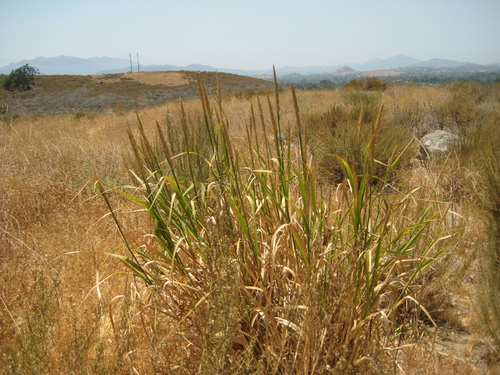
This plant features a tufted growth habit with slender stems that can grow up to 1 meter in height.
Leaf Features
Its leaves are narrow and long with pointed tips, varying in color from green to blue-green.
Inflorescence Structure
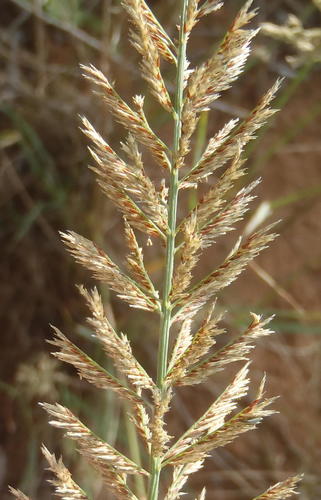
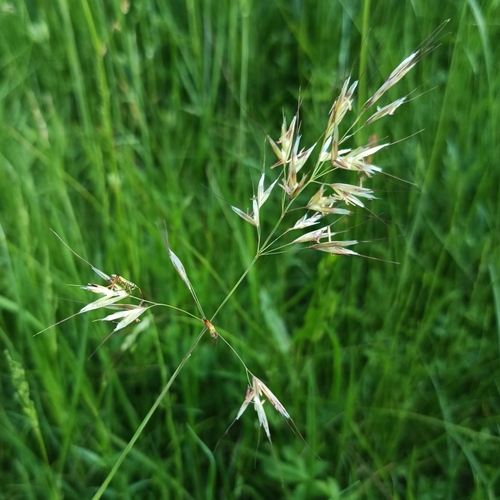
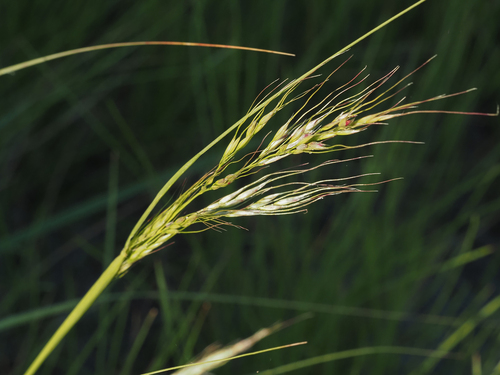
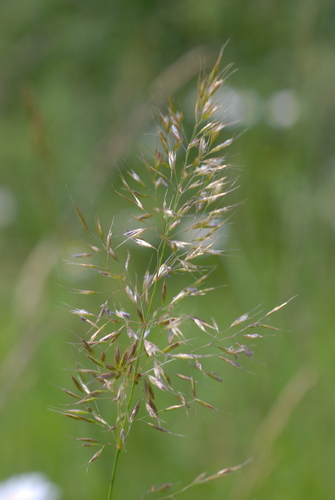
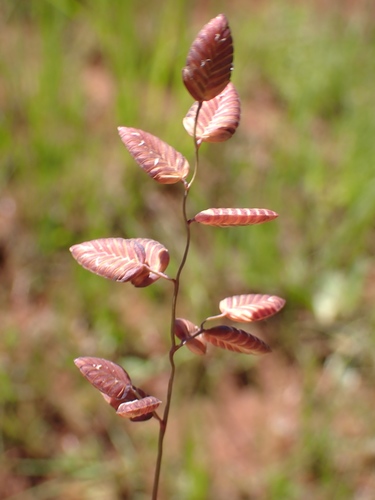
The inflorescence of Eragrostis capensis consists of numerous small spikelets arranged on slender branches.
Forage Value
Cape lovegrass is an important forage plant for livestock due to its high nutritional value.
Medicinal Uses
Additionally, it has medicinal properties; the roots have been traditionally used by indigenous people to treat various ailments such as fever, coughs, and stomach disorders.
Habitat Tolerances
Eragrostis capensis is a hardy species capable of tolerating drought conditions, though it prefers well-drained soils with moderate moisture levels.
Invasive Status
It has been introduced to other parts of the world, including Australia, where it has become an invasive weed due to its ability to outcompete native vegetation.
Overall, Eragrostis capensis plays a crucial ecological role as a food source for livestock and holds cultural significance through its traditional medicinal uses by the indigenous people of southern Africa.