About Eleutherococcus sessiliflorus (Rupr. & Maxim.) S.Y.Hu
Growth Form and Height
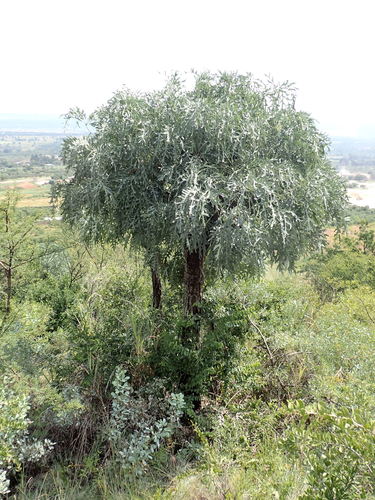
Eleutherococcus sessiliflorus is a deciduous shrub that grows up to 2m tall and forms clusters.
Winter Bud and Twig Characteristics
Its winter buds and twigs are oblong, with a pointed tip, having 5 - 12 scales. The axillary buds are similar to the lateral buds, measuring 4 - 7mm in length. The twigs are green.
Leaf Scar Morphology
The leaf scars are crescent - shaped.
Leaf Shape and Size
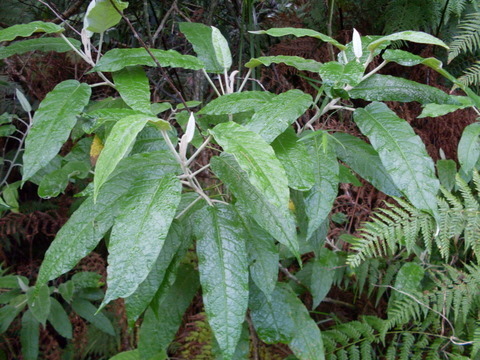
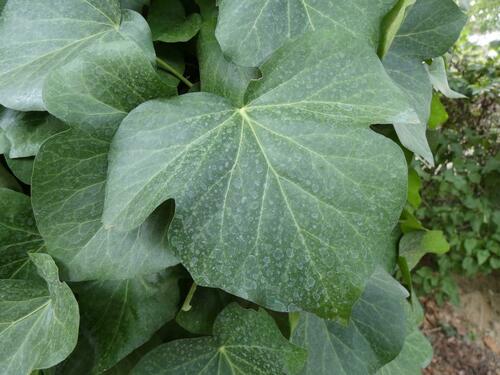
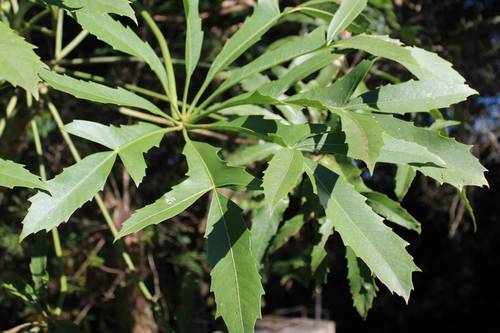
The leaves are alternate, oblong, elliptical, or oblong - ovate, with an acuminate tip, cuneate or sub - cordate base, sized 3 - 7cm × 2 - 3.5cm.
Leaf Surface and Venation
They have serrate double teeth, a hairless surface with sunken veins, and protruding veins with hairs on the underside.
Petiole and Stipule Traits
The petiole is 5 - 15mm long, and the stipules are narrow, long, and fall off early.
Flower Basic Attributes
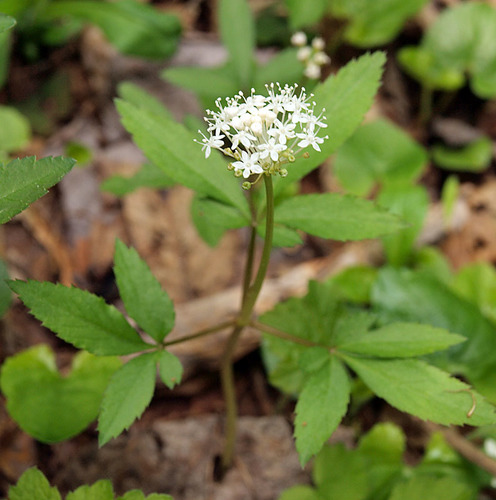
The flowers are hermaphroditic, 30 - 40mm in diameter, yellow, blooming at the end of lateral branches like the leaves.
Pedicel Length
The pedicels are 2cm long.
Calyx Lobe Features
The calyx lobes are ovate - acuminate, hairless with fine serrations.
Petal Morphology
There are 5 petals, ovate - orbicular.
Stamen and Pistil Characteristics
There are many stamens, similar in length to the pistil.
Fruit and Seed Carpel Count
The fruit and seed have 5 (occasionally 8) carpels.
Fruit Appearance
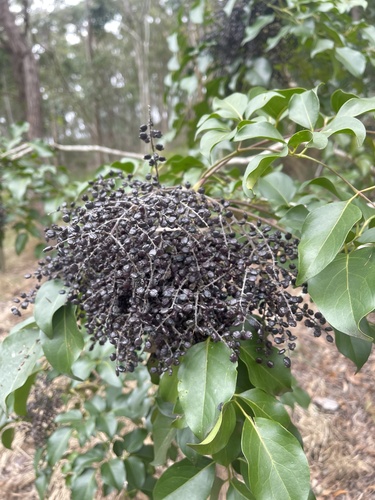
The fruit is black - brown within the persistent calyx.
Flowering and Fruiting Period
It flowers from late April to early June and fruits in September.
Distribution Range
It is distributed in southern and central China, southern Hokkaido to Kyushu in Japan, and is cultivated near villages or temples south of Gyeonggi - do, excluding Gangwon - do.
Ecological Preferences
Ecologically, it grows well in moist areas but is weak in the shade.
Common Uses
It is commonly used for ornamental purposes.