About Dombeya rotundifolia (Hochst.) Planch.
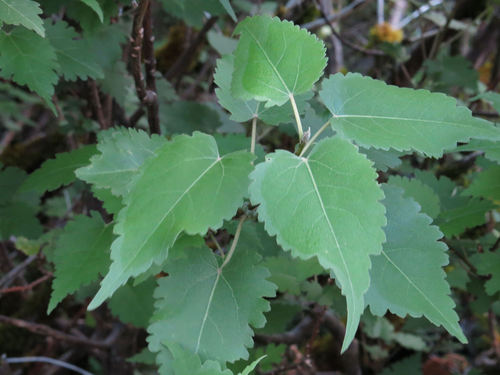
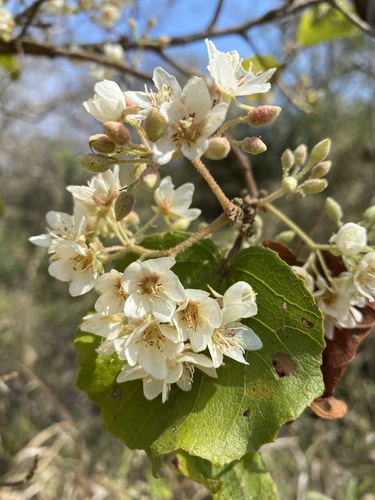
Dombeya rotundifolia (Hochst.) Planch. typically grows as a 5–6 m tall tree with a single distinct trunk, and is found growing on deep soils, along river banks, and in rocky areas. Both its leaves and flower buds are densely covered in stellate hairs. It is one of the first species to flower in spring, often flowering alongside Erythrina lysistemon. Its abundant flowers are sweet-scented, usually white and occasionally pale pink, with a diameter of 15–20 mm. Inconspicuous round fruits develop at the center of the persistent brown dead petals. The wood of this species is bluish-grey, dense, hard, and extremely tough, and was highly sought after for building wagons and carriages historically. Most cultivated Dombeya plants are shrubs with attractive pink or white flowers that are closely related to D. rotundifolia; examples include Dombeya burgessiae and Dombeya autumnalis, which was named for its distinct habit of flowering during autumn. Dombeya rotundifolia is tolerant of both drought and frost. It is popular with beekeepers because it produces large amounts of nectar that attract many bees and butterflies. Its profuse, showy flower displays make it a highly valued ornamental tree. It produces good timber with greyish-blue heartwood that is suitable for woodworking, and freshly cut timber of this species has a strong scent similar to fishmeal. This species acts as a host for the scale insect Lecanodiaspis tarsalis Newstead, 1917. Caterpillars of Anaphe reticulata feed on its foliage from late summer to early winter, and can completely strip the trees of their leaves.