About Sidalcea campestris Greene
Common Name and Growth Form
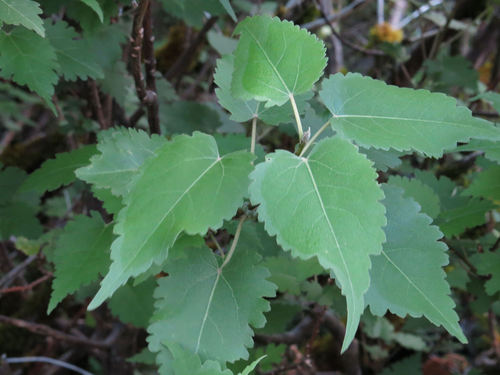
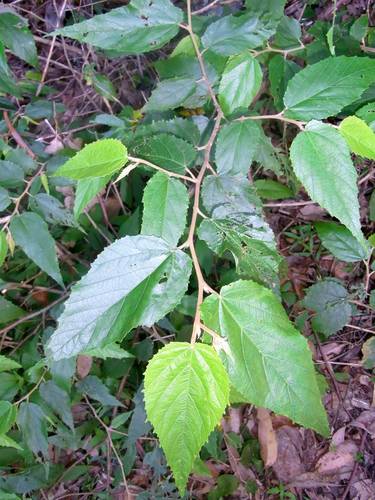
Sidalcea campestris, commonly called meadow checker-mallow, is a taprooted perennial herb that grows from thick, stubby rhizomes. It produces a basal rosette of toothed leaves, with erect, hollow stems.
Flower Arrangement
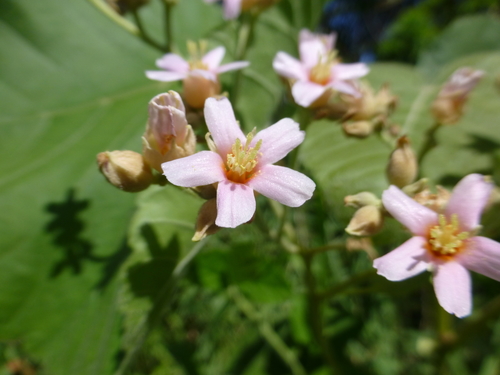
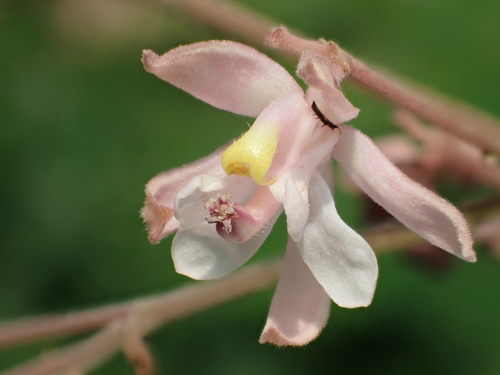
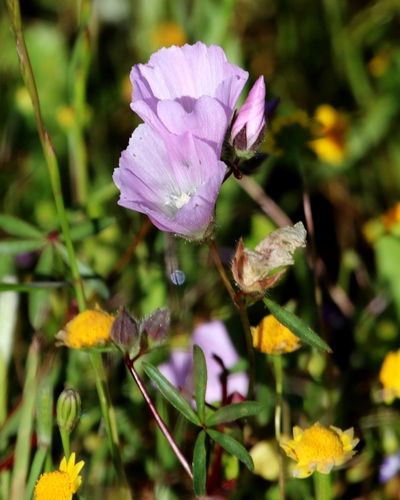
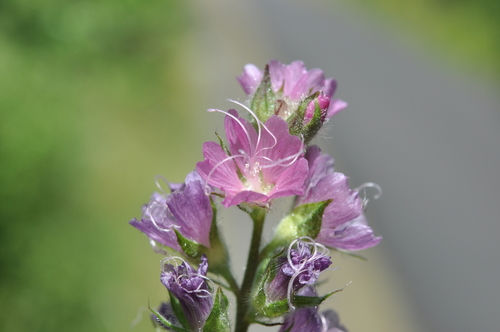
It bears numerous five-petaled flowers, typically fifty or more per plant, arranged in branched racemes at the top of stems. Flower colors range from white to pink.
Soil and Light Preferences
This species prefers moist, well-drained to dry soil, and grows in locations with full sun to part shade.
Habitat Types
It occurs in grassy meadows, unplowed fields, and along roadsides in Oregon's Willamette Valley.
Historic Distribution
Historically, it was native to Benton, Clackamas, Douglas, Lane, Linn, Marion, Multnomah, Polk, Washington, and Yamhill counties in Oregon.
Current Distribution
Today, it is only found in the central portion of its historic range, and is locally common in the Salem area.
Elevation Range
It has not been recorded growing at elevations above 250 meters.
Conservation Listing Status
Sidalcea campestris is a plant of conservation concern listed by the Oregon National Heritage Program, but it is not currently classified as threatened or endangered.
Herbicide Vulnerability
It is uncommon in the wild; because many of its populations grow along fences and roadsides, it is vulnerable to damage from herbicide spraying. Another conservation concern is its small historic range.
Pollinator Habitat Role
This species is an important part of pollinator habitat in the Willamette Valley. Its flowers are a high-quality source of nectar and pollen for native bees, wasps, flies, and butterflies.
Supported Pollinator Species
It provides nectar and/or pollen to the endangered Fender's Blue Butterfly (Plebejus icarioides fenderi), as well as the native solitary bee Diadasia nigrifrons.
Diadasia nigrifrons Feeding Specialization
Diadasia nigrifrons are oligoleges, meaning they are specialist bees that depend on pollen and nectar from only a small number of plant species. Analysis of pollen loads from wild Diadasia nigrifrons shows that these bees collect pollen exclusively from plants in the genus Sidalcea.
Diadasia nigrifrons Survival Relevance
Only three native Sidalcea species are found in the Willamette Valley, making Sidalcea campestris critical to the continued survival of Diadasia nigrifrons.
Ornamental Characteristics
As an ornamental plant, Sidalcea campestris is attractive and blooms from June to August.
Cultivation Propagation Methods
It can be grown easily from seed, by dividing mature plants, or by transplanting plugs.
Cultivation Growth Habit
It grows in full sun to part shade, reaching up to 2 feet wide at maturity. Its flowering stems can grow 2 to 6 feet tall.
Cultivation Drought Tolerance
It is highly drought tolerant, and can tolerate seasonally dry soils.