About Crotalus ehecatl Carbajal-Márquez, Cedeño-Vázquez, Martínez-Arce, Neri-Castro & Machkour-M'Rabet, 2020
Size and Body Form
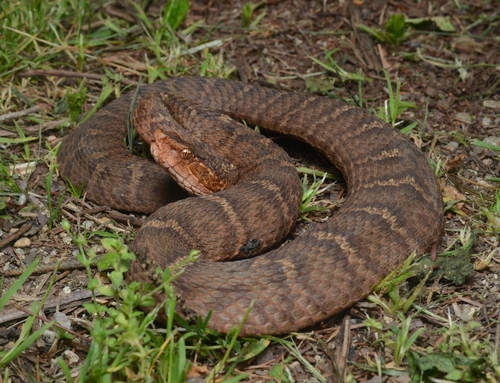
Crotalus ehecatl is a large, heavy-bodied snake, with adult individuals reaching maximum lengths of up to 165.3 cm, or approximately 65 inches.
Body Pattern
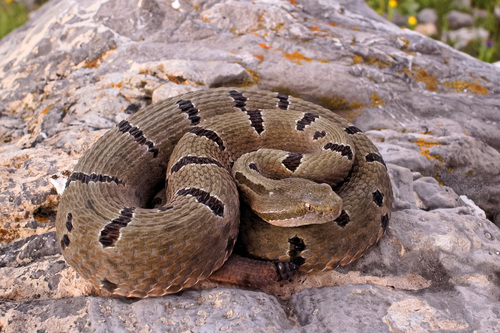
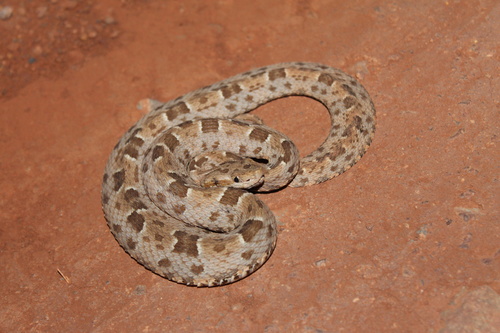
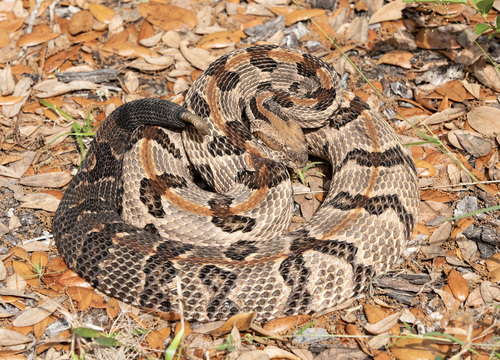
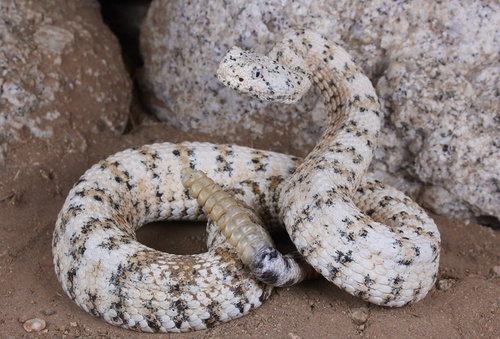
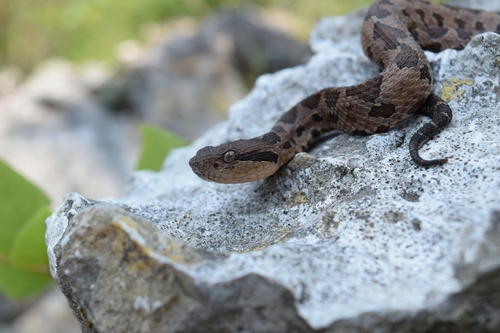
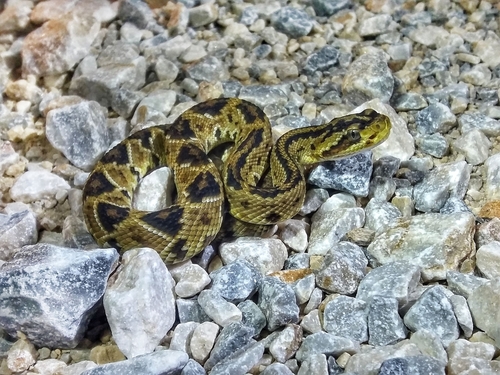
Its body pattern is made up of a series of dark, diamond-shaped blotches set against a lighter background that can range in color from gray to brown.
Head Markings
The head has a distinctive lance-shaped pattern.
Sexual Dimorphism
This species displays sexual dimorphism, with males having significantly longer tails than females.
Diet and Feeding Period
Its diet consists primarily of mammals, and most feeding occurs during the rainy season.
Activity Patterns
During warmer months, this snake is crepuscular and nocturnal; during cooler months, it is active during the day.
Common Name and Endemism
Crotalus ehecatl, commonly known as the Tehuantepec Isthmus Neotropical rattlesnake, is endemic to Mexico.
Geographic Distribution
It is specifically distributed along the Pacific versant from central-southern Oaxaca, southward across the Tehuantepec Isthmus to west of Tonalá, Chiapas, and also occurs in the Grijalva River basin as far as Comitán, Chiapas.
Habitat Preferences
It inhabits tropical deciduous forests and seasonal rainforests, and prefers open canopy habitats with rocky outcroppings.