About Caprimulgus aegyptius M.H.K.Lichtenstein, 1823
Common Name
This bird species, Caprimulgus aegyptius, is commonly known as the Egyptian nightjar.
Plumage Coloration
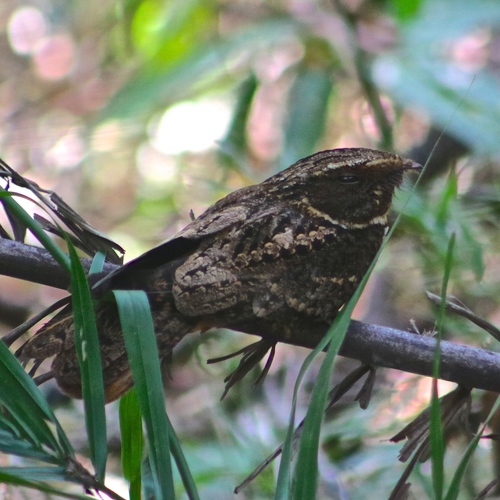
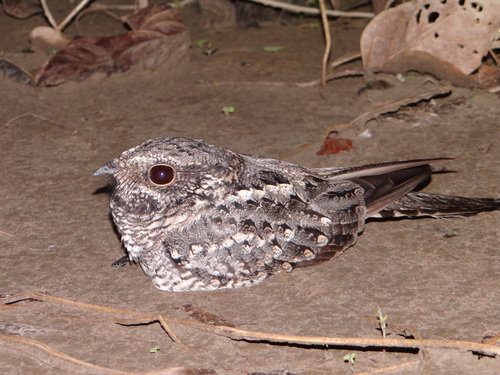
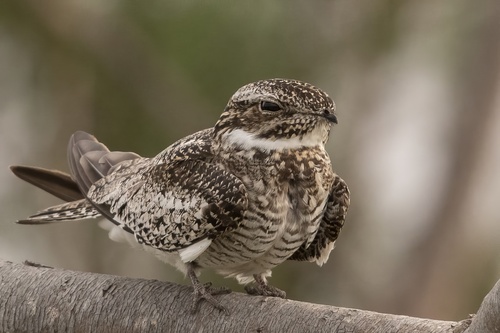
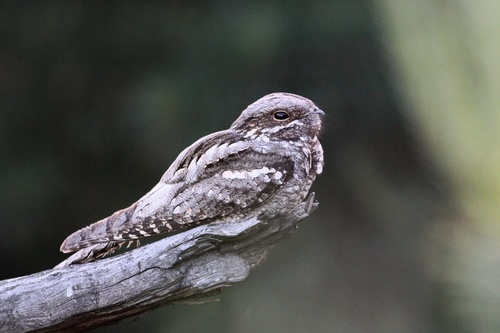
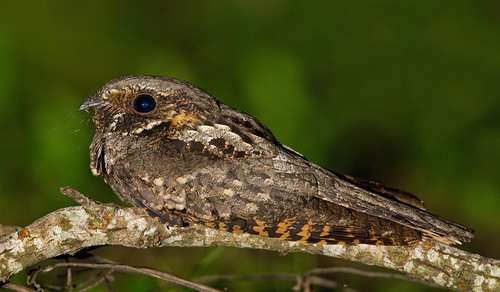
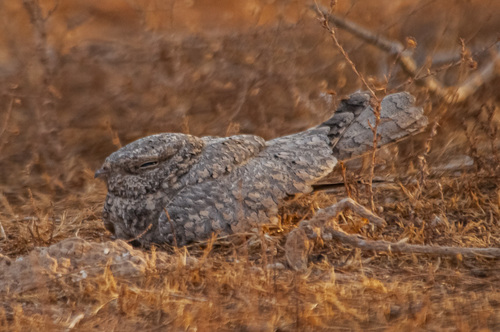
Its variegated plumage is much paler than that of the European nightjar. Adult individuals have sand-coloured plumage, marked with bars and streaks of buff and brown. The underparts are sandy or whitish.
Body Morphology
It is smaller than the more widespread related species, but has relatively longer wings and a longer tail. Like other nightjars, it has a wide gape, long wings, soft downy plumage, and is active at night. Males have tiny white spots on their wings.
Size Measurements
This species measures 25 cm in length, with a wingspan of 55 cm.
Vocalization
Its call is a repetitive mechanical kroo-kroo-kroo…, which rises and falls in volume as the bird turns its head from side to side.
Native Range
The Egyptian nightjar is native to northern Africa, the Arabian Peninsula and the Middle East.
Confirmed Distribution Countries
Its confirmed range includes Afghanistan, Algeria, Bahrain, Chad, Egypt, Iran, Iraq, Israel, Jordan, Kazakhstan, Kuwait, Libya, Mali, Mauritania, Morocco, Nigeria, Oman, Pakistan, Saudi Arabia, Senegal, South Sudan, Sudan, Tajikistan, Tunisia, Turkmenistan, United Arab Emirates, Uzbekistan and Yemen.
Vagrant Records
It is a rare visitor to Europe, and has been recorded as a vagrant in Denmark, Germany, Italy, Malta, Sweden and the United Kingdom.
Typical Habitat
Its typical habitat is open desert with a small number of scattered trees or bushes. It is often found near water in areas with sparse vegetation and scrub.
Overwintering Habitat in Sudan
Over-wintering Egyptian nightjars in Sudan can be found in areas with long grass.
Diurnal Behaviour
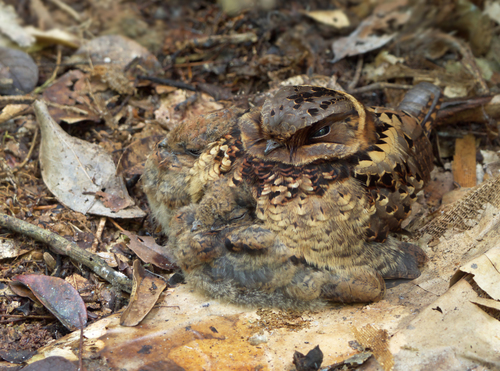
This is a crepuscular species; during the day, it rests silently on the ground, concealed by its camouflaged plumage, and is difficult to detect because it blends in with sandy soil.
Flight Characteristics
It flies at dusk, most often at sundown, with easy, silent flight similar to that of a moth; its strong, deliberate wingbeats alternate with gliding sweeps on motionless wings.
Diet
It feeds on crepuscular insects such as moths.
Nesting and Reproduction
This species does not build a nest; it lays two elongated, elliptical eggs directly on bare ground, and the brooding bird sits closely on the eggs to provide the best protection for them.
Breeding and Overwintering Habitats
The population of Egyptian nightjars in northwestern Africa breeds in desert and sandy steppe areas with limestone outcrops, and overwinters in dry countryside where Artemisia, Tamarix and Salsola grow.